

BLOG

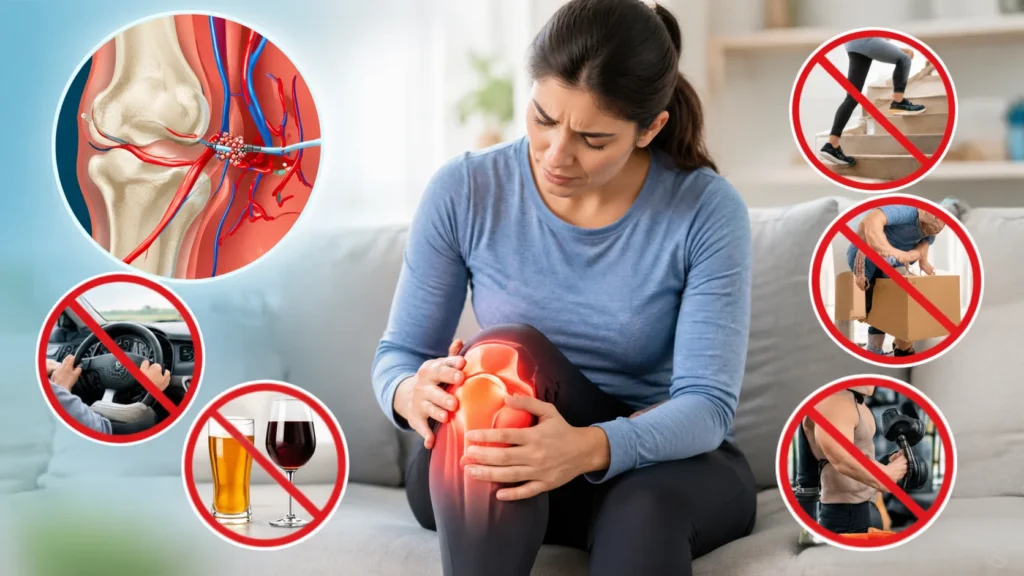
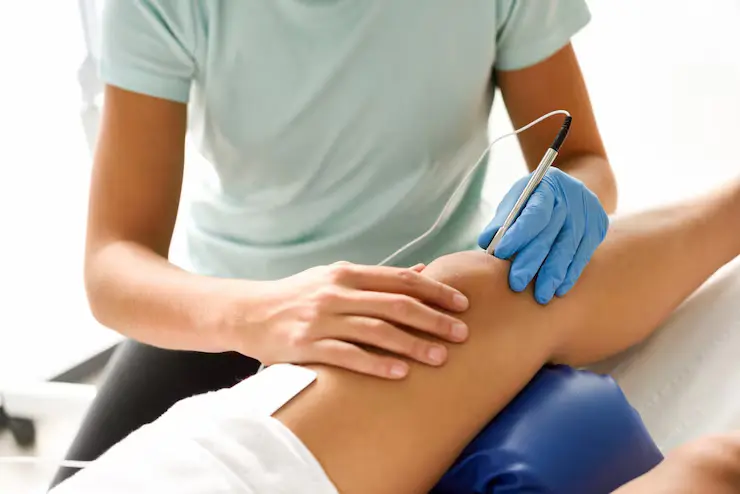
Is Genicular Artery Embolization Safe?

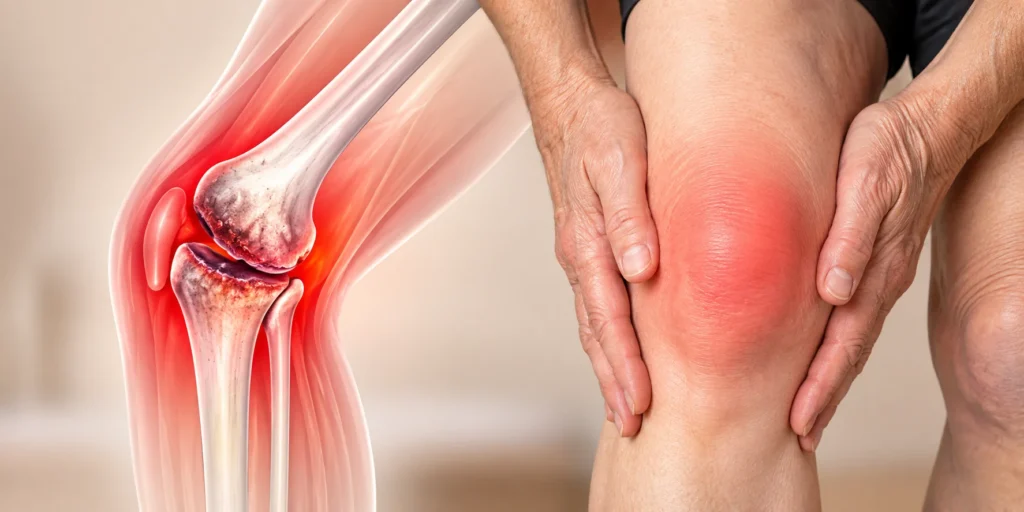
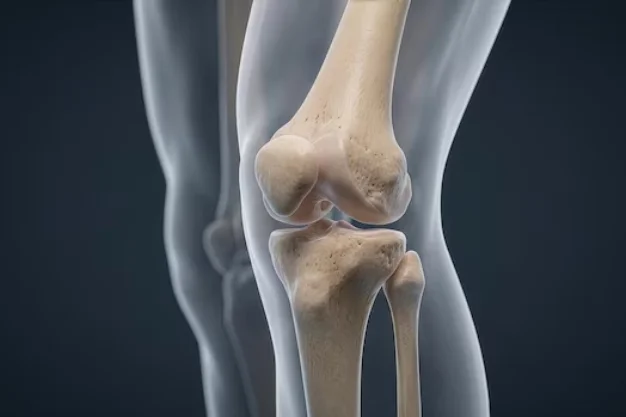
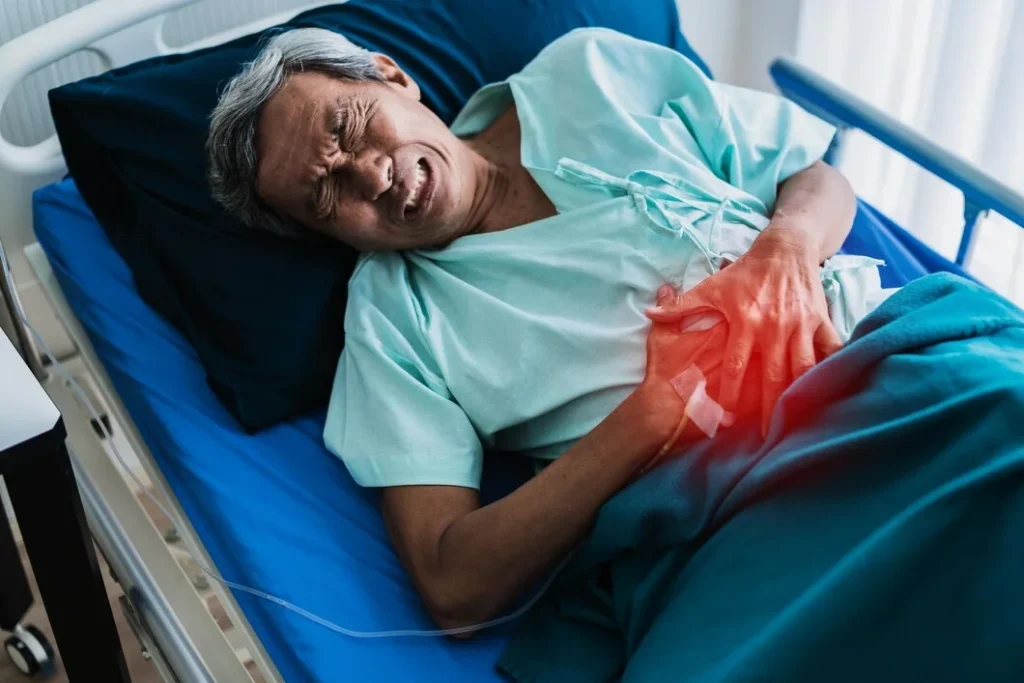
Genicular artery embolization (GAE) is a minimally invasive procedure designed to target abnormal blood vessels contributing to knee osteoarthritis pain. Although it involves catheter access, contrast dye and the introduction of tiny particles into selected arteries, the procedure is performed under controlled conditions by trained specialists. Current evidence demonstrates a

Read More »

What Are the Symptoms of Deep Vein Thrombosis?

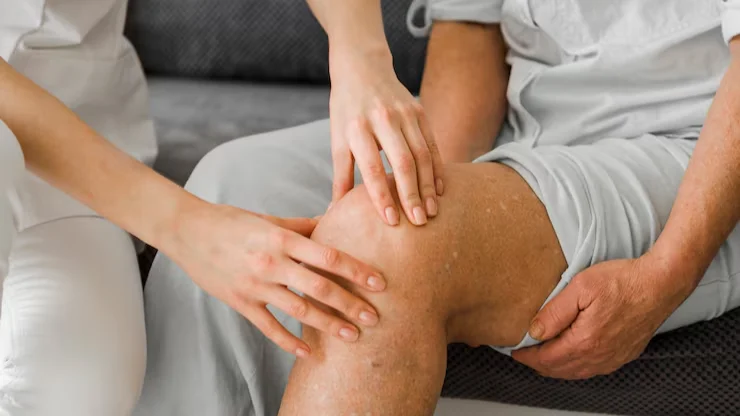
One calf may feel tighter than the other after a long drive and the shoe on that side may suddenly feel unusually snug. There is often no significant pain at the beginning, which makes the change easy to overlook or attribute to a minor strain or fatigue from activity. Deep

Read More »

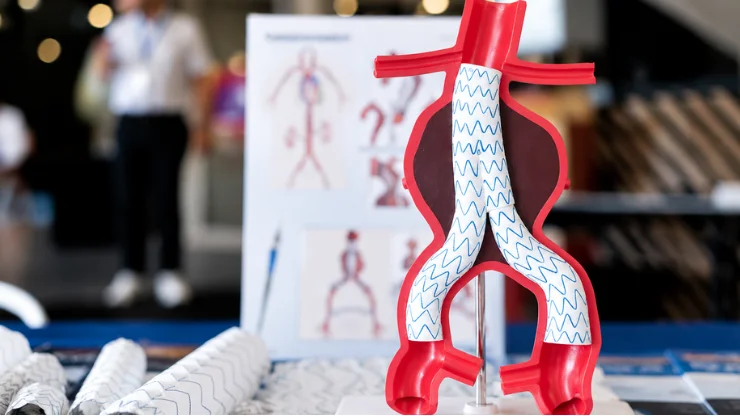
Abdominal Aortic Aneurysm Treatment Options: What You Should Know

Vascular health is a key concern for many Virginia residents, especially older adults and individuals with cardiovascular risk factors. An abdominal aortic aneurysm is a condition that can develop without noticeable symptoms, making awareness and regular evaluation important for early detection. Understanding how abdominal aortic aneurysm symptoms and treatment are

Read More »

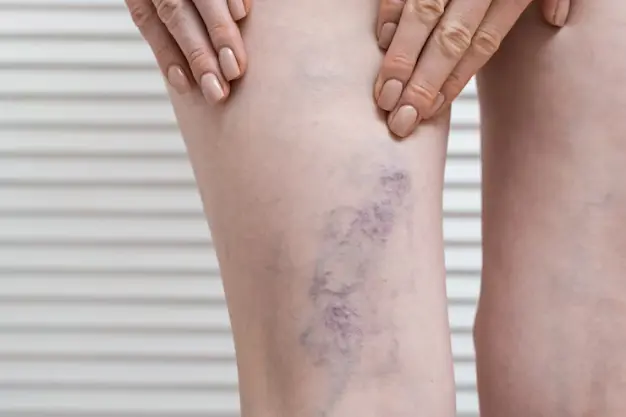
Can You Get Varicose Veins From Working Out?

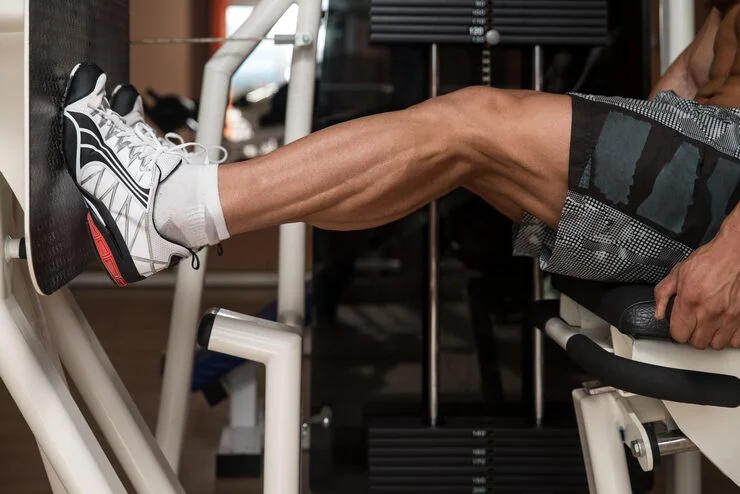
Physical activity is a central part of healthy living for many Virginia residents, from gym regulars and runners to weekend athletes. A common concern among active individuals is whether regular exercise can lead to varicose veins or make an existing vein condition worse. Understanding how movement affects venous circulation can

Read More »

Symptoms of Peripheral Artery Disease You Should Not Ignore

You hesitate on the stairs. Parking closer to the door becomes routine. Evening strolls feel shorter, though you haven’t consciously cut them. It doesn’t feel like a medical issue but these minor changes often mark the start of peripheral artery disease. That’s the hidden danger. PAD can grow quietly for

Read More »

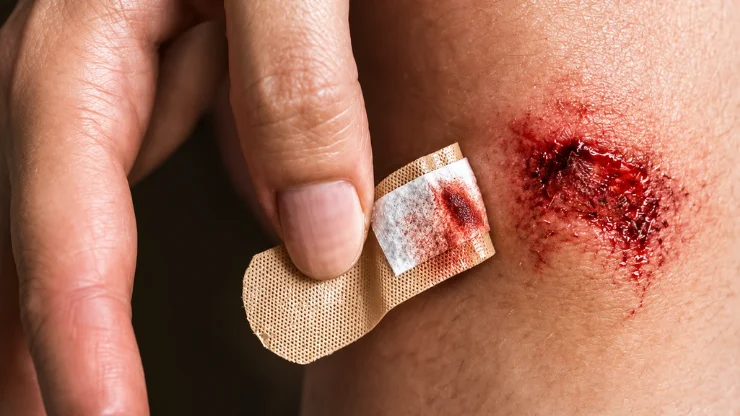
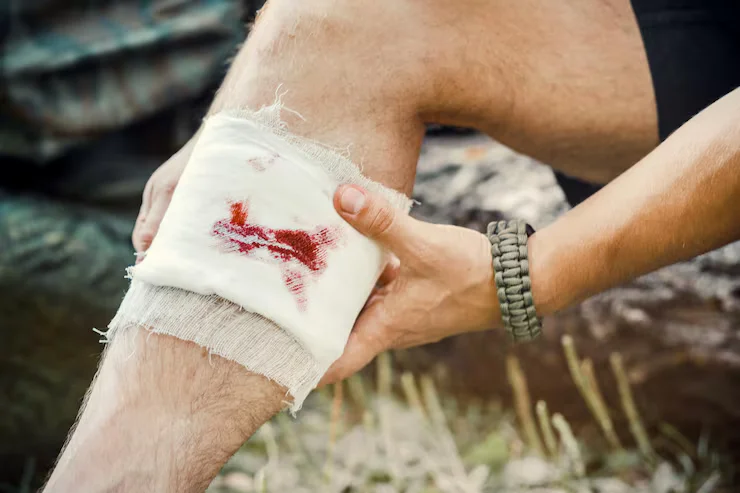
How to Heal an Infected Wound Safely

Even a small cut can turn into a bigger problem if not cared for properly. What begins as a simple scrape can quickly show redness, swelling, unusual pain, warmth, or discharge, raising concerns about infection. Some wounds take longer to heal because the issue goes beyond the surface. Factors like

Read More »

Varicose Vein Surgery Recovery: What to Expect and When

Most patients want one honest answer before their procedure: how long until normal life returns? The timeline is shorter than many people expect, particularly with today’s minimally invasive options. But recovery is not a single fixed number. It depends on the procedure, the patient and the small daily decisions made

Read More »

Carotid Blockage Symptoms You Should Not Ignore

Carotid blockage can be easy to miss because it does not always cause neck pain or a steady warning sign. Plaque may build slowly inside the carotid arteries for years, narrowing the path that carries blood to the brain. Then the first clear warning can appear suddenly: slurred speech, weakness

Read More »

Habits That Make Vein Problems Worse

Vein problems rarely announce themselves with a single dramatic moment. They tend to build quietly through daily routines, long hours at a desk, an entire shift on your feet, skipping short walks and brushing off ankle puffiness at the end of the day. By the time the pattern becomes obvious,

Read More »

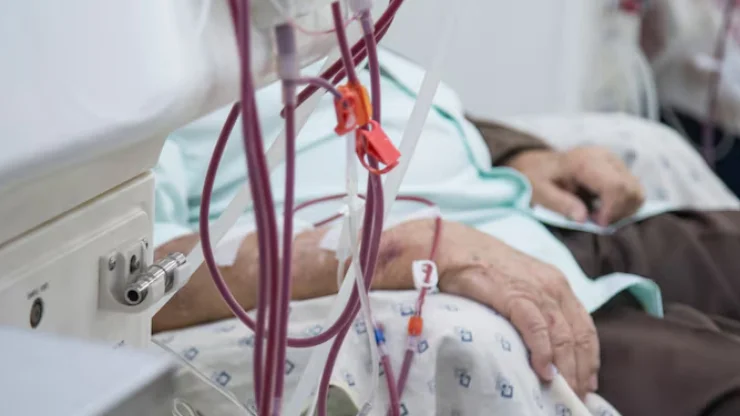
What Is an AV Fistula for Dialysis?

Hearing that dialysis will require a fistula can be unsettling before anyone explains what the word actually means. Many patients picture something complicated or painful and start asking questions before the care team has had a chance to walk through the basics. An AV fistula is a planned surgical connection

Read More »

Is PAD Recovery Painful?

Pain is one of the first things patients ask about before peripheral artery disease treatment. That concern makes sense. Many people already deal with leg cramping, heaviness, or foot discomfort before they ever see a vascular specialist. The worry is that treatment might make things worse before they get better.

Read More »

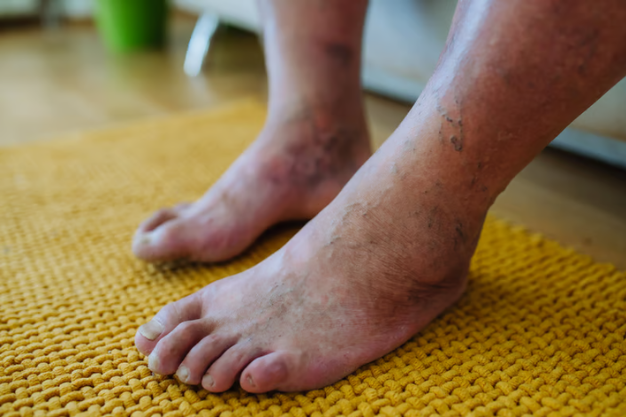
Why Are My Ankles and Feet Swollen?

Swollen ankles and feet are one of the most common concerns patients bring to a vascular clinic. The symptom is not always serious, but when it keeps returning, it deserves more than a wait-and-see approach. Knowing what causes it and when it warrants attention makes it easier to act at

Read More »

What Should You Avoid After Sclerotherapy?

Sclerotherapy recovery is generally straightforward, but the first few days still require attention. The treated veins are closing, the skin may feel tender and the legs are adjusting to changed circulation. Small missteps during this window can extend bruising, worsen swelling, or leave skin marks that take longer to resolve.

Read More »

Can Smoking Cause an Abdominal Aortic Aneurysm?

Smoking damages more than your lungs. The chemicals in cigarette smoke weaken artery walls, trigger inflammation and accelerate plaque buildup throughout your vascular system, including the abdominal aorta. An abdominal aortic aneurysm (AAA) is a bulge in this major artery. It grows silently for years and research shows smoking increases

Read More »

Can Deep Vein Thrombosis Run in Families?
Can Deep Vein Thrombosis Run in Families? You notice leg swelling that appeared overnight. Your calf feels tight and warm. Then you remember your mother had a blood clot years ago, or your uncle needed blood thinners after surgery. The question hits: does DVT run in families? Yes, family history

Read More »

Prevent Stroke From Carotid Disease

Carotid artery disease often gives no warning. No neck pain, no obvious symptoms, nothing that signals a problem is building. That silence is exactly what makes it dangerous. Plaque can quietly narrow the arteries that carry blood to your brain for years before anything happens. By the time a stroke

Read More »

Signs of Blood Clot After Vein Surgery: What Every Patient Should Know

Vein surgery typically brings significant symptom relief, but recovery requires vigilant monitoring. Some bruising, mild soreness and tightness are normal parts of healing. The critical distinction lies in recognizing when symptoms deviate from expected recovery patterns. Deep vein thrombosis can develop after any vascular procedure. While the overall incidence remains

Read More »

Why Women Get Varicose Veins More Often Than Men

Varicose veinås often appear during ordinary life stages. You might notice a raised vein on your leg, heaviness in your calves by evening, or an ache that shows up after standing all day. The underlying cause involves weakened vein valves and stretched vein walls. These small valves normally help move

Read More »

8 Vein Disease Myths That Delay Treatment

Vein disease develops quietly. You might notice heavy legs after work, swelling around your ankles, or veins that look more visible than they used to. These symptoms get blamed on age, long work hours, or “just bad circulation.” The problem is not that vein symptoms are hard to spot. The

Read More »

Warning Signs Your Dialysis Access Is Failing

Your dialysis access works quietly in the background until something goes wrong. The challenge is recognizing problems early, when they are still fixable with minimally invasive procedures instead of surgery or catheter placement. Most access complications develop gradually over weeks. Small changes in how your access feels or performs can

Read More »

Carotid Artery Disease Treatment Options: What You Need to Know

Most people with carotid artery disease don’t realize they have it. This isn’t because they’re ignoring warning signs. The condition simply doesn’t announce itself. Blocked carotid arteries don’t cause pain as plaque accumulates. They don’t generate weeks of discomfort the way other health problems might. The first indication is often

Read More »

How Peripheral Artery Disease Is Diagnosed: A Patient’s Guide

Many patients attribute leg cramping after walking to age or fatigue. By the time a physician identifies peripheral artery disease, the condition has often been progressing silently for years. That diagnostic delay directly limits treatment options. PAD develops without clear early warnings. Symptoms present as leg fatigue, cold feet or

Read More »

Can a High-Protein Diet Speed Up Wound Healing?

When a wound is not healing, most people focus on dressings and keeping the area clean. What rarely gets enough attention is nutrition. Specifically, how much protein you are eating every day. For patients managing a vascular condition, this matters even more. A high-protein diet directly supports every stage of

Read More »

Understanding Deep Vein Thrombosis During Pregnancy

Pregnancy shifts nearly everything about how the body functions. Blood volume rises. Hormones spike. Circulation patterns change in ways that go far beneath the surface. Most of these changes are expected. But one consequence that rarely gets discussed openly is the heightened risk of dangerous blood clots forming deep inside

Read More »

How Physical Activity Prevents Venous Leg Ulcers

Venous leg ulcers are one of the most common and preventable chronic wound conditions, yet most people are unaware of the risk until a wound has already developed. The connection between circulation, daily movement and ulcer prevention is rarely discussed early enough and that is where much of the damage

Read More »

Deep Vein Thrombosis: Who Faces the Highest Risk

Deep vein thrombosis affects an estimated 900,000 Americans every year, yet most people have never seriously considered whether they are at risk. A blood clot forms in a deep leg vein, often without any noticeable symptoms, and can become life-threatening if it breaks free and travels to the lungs. Understanding

Read More »

What Smoking Does to Your Veins and Arteries

Most people connect smoking to lung disease. The vascular damage it causes is just as serious and far less understood. Smoking progressively damages the walls of veins and arteries, often for years before any symptoms appear. By the time a person feels something, the structural damage is usually already well

Read More »

How Stress Affects Your Veins and Skin

Most people connect stress to headaches, poor sleep and a short temper. What they do not typically connect it to is the dull ache in their legs at the end of a long day, the heaviness that does not lift after sitting down, the patches of discoloured skin just above

Read More »

How Sleep Affects Your Vein Health

If your legs feel heavy, achy, or swollen when you wake up, the problem may not start when your day does. For people with vein issues, what happens overnight matters as much as what happens during the day. Why Sleep Matters for Your Veins When you lie down, pressure in

Read More »

How Prolonged Sitting and Standing Affects Vein Health

Most people don’t connect their daily routine to their vein health until something starts hurting. A desk job that involves eight hours of sitting or a shift that means standing on concrete for most of the day. These feel like normal working conditions and they are. But what they do

Read More »
Close-up of elderly feet showing signs of diabetic foot ulcer and poor circulation.

Is My Foot Wound Related to Diabetes or Circulation?

There are numerous different causes, but diabetes and difficulties with the circulatory system are two of the more prominent ones. With that stated, we specialize in such medical crises regarding their patients. In order to give the best care, both patients and clinicians need to be able to discern the

Read More »
A close-up of a healthcare worker in blue gloves applying a gauze bandage to a patient's leg wound.

How to Prevent Infection and Promote Healing in Chronic Wounds

Introduction A wound that won’t close after months of care feels frustrating. You follow instructions, change dressings, keep it clean. Still, it stays open. The skin around it looks angry. You worry about infection every day. Chronic wounds need more than basic first aid. They require a different approach because

Read More »
Close-up of an elderly person's leg showing a red, inflamed ulcer near the ankle, with a healthcare worker in blue gloves examining the wound. Medical supplies like gauze, antiseptic, and scissors are visible in the background.

Why Do I Have Sores on My Legs That Won’t Heal?

You’ve had this sore on your leg for weeks now. Maybe you thought it would heal like any other scrape. But it’s still there. You’re starting to worry because it looks the same or maybe even worse than when it first appeared. Leg sores that won’t close aren’t just annoying.

Read More »
Call Now Button