

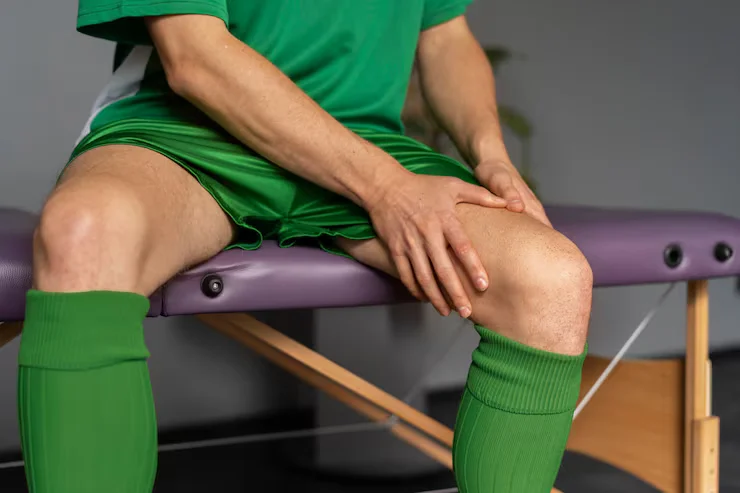
Knee osteoarthritis can gradually affect mobility, comfort, and everyday activities before patients begin considering advanced treatment options. Tasks that once felt routine, such as climbing stairs, getting up from a chair, or walking longer distances, may become increasingly challenging over time. When conservative treatments like medication, injections, and physical therapy no longer provide sufficient relief, understanding available options becomes an important part of the decision-making process.
While knee replacement remains a common solution for advanced joint damage, some patients explore less invasive alternatives. GAE has emerged as a potential option for selected individuals with knee osteoarthritis, though it serves a different purpose than joint replacement surgery.
GAE vs Knee Replacement What Patients Should Know
The best way to compare GAE and knee replacement is by understanding what each treatment is designed to address. GAE focuses on reducing pain linked to abnormal blood vessel activity and inflammation within the knee. Knee replacement, on the other hand, removes damaged joint surfaces and replaces them with artificial components to restore function when the joint has experienced significant deterioration.
A 2026 Society of Interventional Radiology position statement recognizes GAE as a treatment option for carefully selected patients with symptomatic knee osteoarthritis who have not found adequate relief from conservative therapies. It may be considered for individuals who are not suitable candidates for total knee replacement or who wish to postpone surgery. The statement also highlights the need for further large-scale randomized studies to better understand the long-term effectiveness and role of GAE.
|
Point to compare |
GAE | Knee replacement |
|
Main goal |
Reduce inflammation-related pain |
Replace damaged joint surfaces |
|
Procedure |
Catheter-based |
Major joint surgery |
|
Joint removed |
No |
Damaged surfaces are replaced |
|
Typical setting |
Outpatient |
Surgical setting |
|
Recovery |
Usually shorter |
Longer rehabilitation |
|
Best fit |
Selected osteoarthritis pain |
Severe pain and structural damage |
|
Future replacement |
May still be needed later |
Joint has already been replaced |
Recovery is another key difference between the treatments. GAE is typically an outpatient procedure with local anesthesia and light sedation, while knee replacement requires surgery and rehabilitation. Although a shorter recovery may be appealing, it should not be the only factor when choosing treatment.
Who Is a Suitable Candidate for GAE?
GAE may be considered for individuals experiencing ongoing knee osteoarthritis pain after traditional treatments have failed to provide enough improvement. It may also be an option for patients who are not ready for knee replacement or want to postpone surgery while managing symptoms.
Factors Doctors Consider Before Recommending GAE
A potential candidate may have:
- Moderate to severe osteoarthritis-related knee pain
- Pain mainly affecting the osteoarthritic knee joint
- Limited improvement from medication, injections, or physical therapy
- Imaging results that support osteoarthritis as the cause of symptoms
- No infection or another condition requiring alternative treatment
- Suitable circulation and kidney function for a contrast-based procedure
The final considerations are especially important because GAE is not simply a general alternative to surgery. The source of the pain must match what the procedure is designed to treat. Problems such as ligament injuries, infections, or severe joint deformities may require a different treatment approach.
Choose the Best Genicular Artery Embolization Treatment Option for Your Health
Explore your treatment options and get expert advice from our vascular surgeon.
When Is Knee Replacement the Better Option?
Knee replacement is generally considered when osteoarthritis has progressed to a point where pain and joint damage significantly affect daily life. The decision is not based only on how much discomfort someone experiences, but also on the condition of the joint itself and how much function has been lost.
Replacement becomes more relevant when knee damage involves structural changes beyond inflammation. Advanced cartilage loss, deformity, or severe joint deterioration may require orthopaedic treatment that GAE cannot provide. As highlighted in GAE safety considerations, GAE helps reduce osteoarthritis-related pain but does not restore cartilage, correct alignment, or rebuild the joint surface. The key consideration is choosing the treatment that best matches the cause of the knee pain.
Impact of Ongoing Knee Pain on Mobility and Lifestyle
Choosing to delay treatment may sometimes feel easier, but ongoing knee pain can gradually affect mobility and daily routines. Persistent discomfort can change the way someone walks, reduce physical activity, and make regular tasks around the home more challenging.
Some people begin avoiding longer walks because they are unsure how their knee will respond. Others adjust their plans around finding places to sit, rest, or avoid activities that increase discomfort. Changes in knee pain patterns should be evaluated, as symptoms may have multiple causes. A new assessment can confirm whether osteoarthritis is still the main source of pain or if another condition is contributing.
What Should Be Checked Before GAE?
Tests and Assessments Before GAE
Before moving forward with GAE, a specialist may evaluate several factors to determine whether the procedure is appropriate, including:
- The location, severity, and duration of knee pain
- Recent X-rays or other imaging results
- Previous treatments and their effectiveness
- Kidney function and any history of contrast allergies
- Current blood-thinning medications
- Blood circulation in the affected leg
- Any skin wounds or signs of infection near the treatment area
These evaluations help identify patients whose knee pain is likely related to osteoarthritis inflammation and may respond to GAE, while also ruling out conditions that require another form of treatment.
The GAE side effects resource covers possible temporary effects after the procedure, including soreness, bruising, and skin changes. These concerns differ from the risks, recovery timeline, and rehabilitation involved with total knee replacement.
Why Does Specialist Assessment Matter?
Because GAE is performed through the vascular system, evaluating blood flow, anatomy, and the source of pain helps determine whether the procedure is suitable. Orthopaedic assessment is also important when imaging shows advanced joint damage or structural issues that may require a different treatment approach.
For patients in Northern Virginia, those seeking vascular evaluation and minimally invasive treatment options can explore the Fairfax vascular surgeon information. Individuals living near Manassas can also learn more through the Manassas vascular surgeon information for location-specific vascular care guidance.
Final Guidance
A qualified specialist at Prime Vascular Care will help determine whether GAE is likely to provide meaningful relief or if another treatment approach is more suitable. A less invasive procedure is not always the right choice, which is why accurate diagnosis and realistic expectations are essential when choosing the best treatment option.