



Musculoskeletal Embolization in Virginia

Persistent joint or tendon pain may no longer respond to rest, medication, physical therapy, or injections, and surgery can feel like a major step. Musculoskeletal embolization (MSK) offers a minimally invasive option, targeting abnormal blood vessels that sustain chronic inflammation rather than merely masking symptoms. We provide this treatment for knee, shoulder, elbow, and foot pain across Virginia, with a thorough assessment to ensure it is appropriate for each patient.

GAE

Knee Osteoarthritis

Frozen Shoulder

Tendon Pain

Plantar Fasciitis

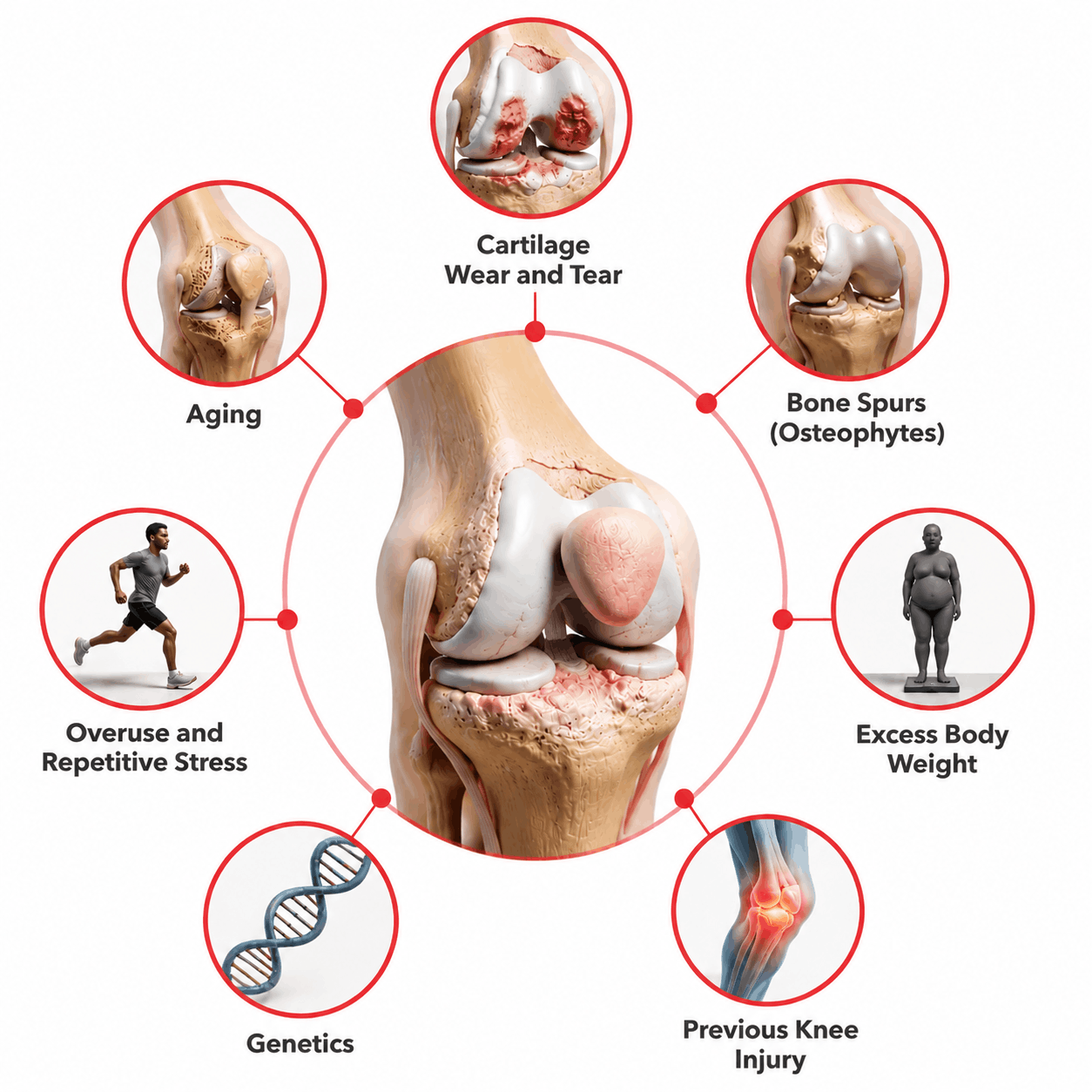
Causes of Recurring Arthritic Knee Pain

How Musculoskeletal Embolization Procedure Works

When a joint or tendon stays inflamed for a long time, your body responds by growing extra blood vessels around it. Those new vessels do not aid healing. Instead, they feed the inflammation and carry pain nerves directly into the area, which is why discomfort often persists long after the initial injury should have resolved. This explains why standard musculoskeletal treatments can sometimes lose effectiveness over time.

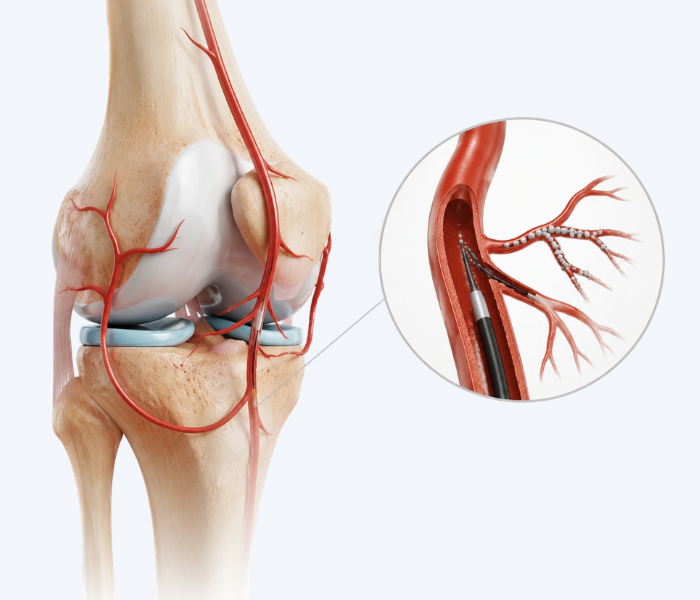
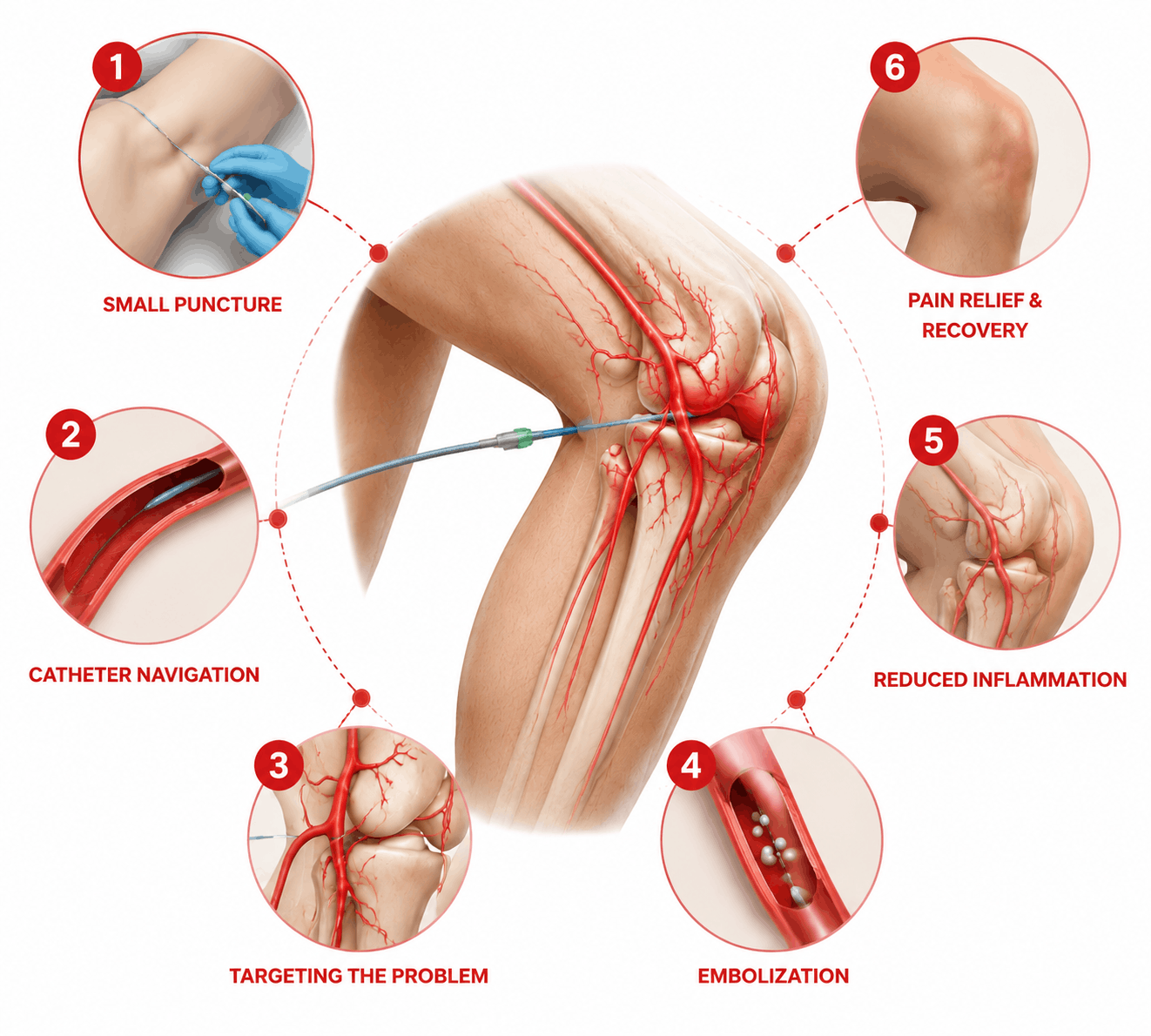
Musculoskeletal embolization interrupts this cycle. Guided by real-time imaging, your specialist performs an endovascular procedure, threading a thin catheter towards the vessels contributing to the pain before releasing tiny embolic particles. Blood flow to the inflamed tissue decreases, inflammation subsides and many patients begin to notice pain relief within weeks.

image (5)

Performed as an outpatient procedure under local anesthesia

image (5)

Offers a minimally invasive alternative to open surgery

image (5)

Targets abnormal blood flow linked to ongoing pain

Effective Treatment for Musculoskeletal Pain

Musculoskeletal embolization may be considered when conservative treatments have not provided lasting relief or when surgery is not yet the preferred next step. Patients who continue to experience pain despite physical therapy, anti-inflammatory medication, or injections may benefit from discussing whether this minimally invasive option is appropriate.

Each treatment decision begins with a thorough evaluation, including a review of symptoms, previous treatments, imaging and medical history, to ensure personalised care.

image (5)

Pain interferes with sleep, work, mobility or daily activities

image (5)

Physical therapy, anti-inflammatory medications or injections have limited effect

image (5)

Evaluated through a detailed review of symptoms, imaging and medical history

image (5)

Persistent joint pain lasting three to six months or longer

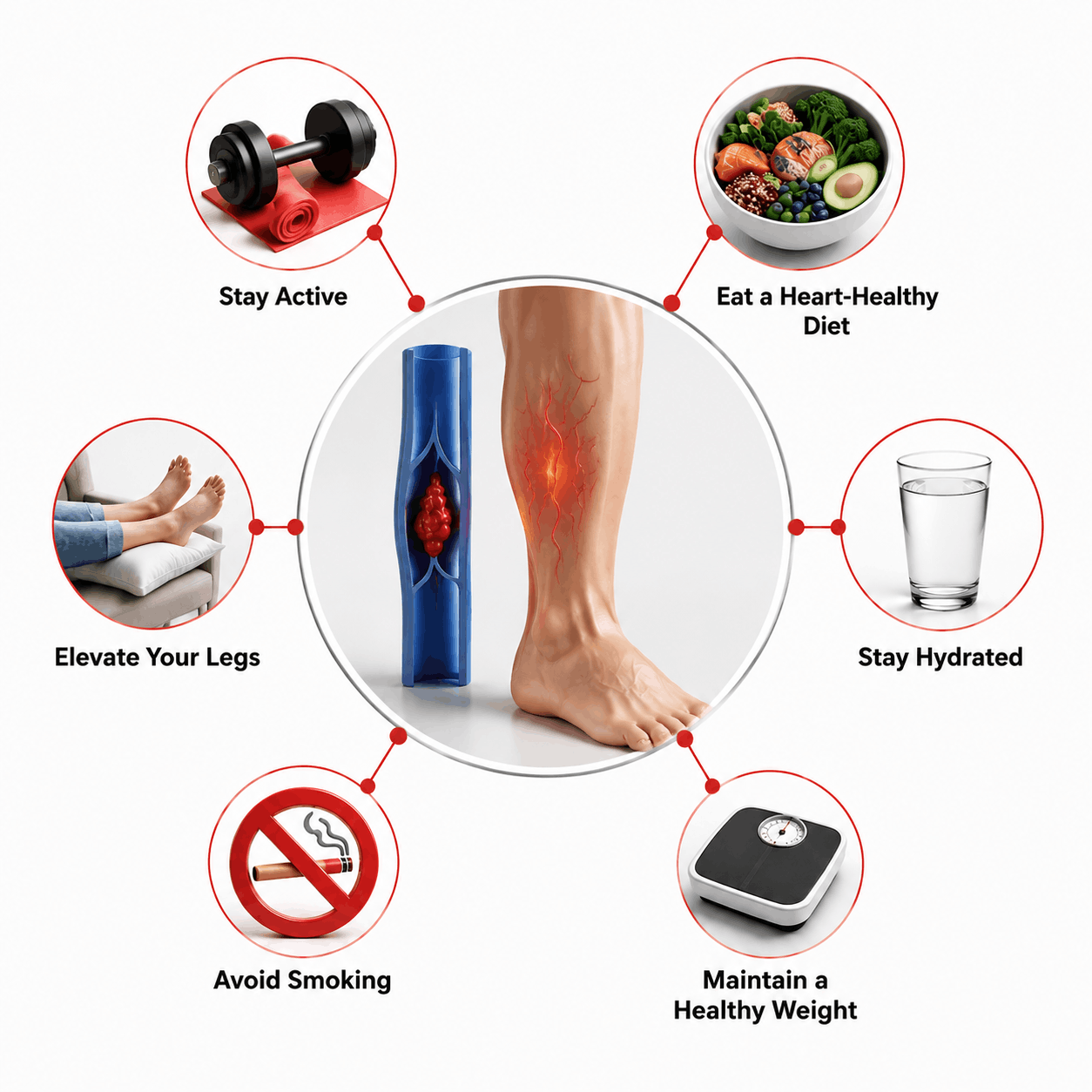
Lifestyle Habits That Support Your GAE Results
How We Treat Knee Pain with GAE

Musculoskeletal Embolization for Joint Pain

Chronic joint or tendon inflammation can trigger abnormal blood vessel growth, sustaining pain and delaying recovery. Persistent inflammation may also complicate a chronic wound, although the underlying treatment approach differs.

Musculoskeletal embolization specifically targets vessels linked to joint or tendon pain, reducing blood flow to the inflamed area and providing relief by addressing the source rather than simply masking the ongoing symptoms over time.

image (5)

Reduces blood flow to abnormal vessels sustaining pain

image (5)

Lowers local inflammation at the source

image (5)

Improves mobility over time

image (5)

Supports long term joint and tendon health

Our Comprehensive Musculoskeletal Care Approach

Candidate Evaluation

Not every patient with joint or tendon pain is suitable for musculoskeletal embolization, and careful selection is essential. A thorough evaluation determines whether abnormal blood vessels are contributing to your discomfort and whether embolization is likely to provide meaningful relief. This ensures that you pursue treatment only if it is appropriate and safe for your condition. 

image (11)

Detailed review of your symptom history and prior treatments

image (11)

Physical examination of the affected joint or tendon and surrounding tissues

image (11)

Analysis of imaging to pinpoint the exact source of pain

image (11)

Transparent discussion about candidacy and expected outcomes

How Embolization Works

Musculoskeletal embolization is a precise, minimally invasive procedure performed by an interventional vascular specialist using live imaging. The treatment targets abnormal and damaged blood vessels that contribute to persistent joint or tendon pain. A thin catheter is inserted through a small access point and guided directly to the inflamed vessels, where tiny embolic particles are released to reduce blood flow and inflammation. By precisely targeting the affected vessels, this approach minimizes tissue disruption while helping relieve symptoms.

image (11)

Outpatient procedure under local anesthesia

image (11)

No overnight hospital stay required

image (11)

Minimally invasive alternative to traditional surgery

image (11)

Image-guided treatment focuses exclusively on problem vessels

Recovery After Musculoskeletal Embolization

Recovery following musculoskeletal embolization is significantly faster and less invasive compared with traditional surgery. Because there is no surgical incision, most patients can resume routine activities within one to two days. Mild soreness at the catheter insertion site may occur for a short period, and pain typically diminishes as inflammation subsides over the following weeks. Patients receive clear post-procedure instructions and guidance, along with scheduled follow-up visits to monitor progress and adjust care if necessary. 

image (11)

Most patients resume routine activities within 1–2 days

image (11)

Mild soreness at the catheter site may occur for a short period.

image (11)

Gradual pain relief as inflammation decreases over several weeks.

image (11)

Clear post-procedure instructions and follow-up visits to monitor progress.

Longevity of Pain Relief

 Musculoskeletal embolization is not a cure for the underlying condition, but it can provide meaningful pain relief and improve quality of life for many patients. The benefits typically develop gradually over weeks to months, and the procedure can be repeated if symptoms return. Our approach ensures patients have realistic expectations and ongoing support for joint and tendon health.

image (11)

Option to repeat the procedure if pain gradually returns

image (11)

Ongoing support to protect the joint or tendon long-term

image (11)

Gradual improvement in mobility as inflammation decreases

image (11)

Support for returning to activities that were previously limited

Years of Expertise
0 +
Follow-up Appointments
0 +
Advanced Techniques
0 +
Focus on Personalized Care
0 %

Why Choose Prime Vascular Care for Musculoskeletal Embolization

track

Specialist-Led Vascular Care

Dr. Akinrinlola, a board-certified vascular surgeon, brings extensive experience in minimally invasive arterial procedures. He applies the same precision to musculoskeletal embolization, providing specialist-level care for knee, shoulder and elbow, with each case assessed individually rather than following a standard checklist.

track (2)

Advanced Options for Effective Care

We use advanced, image-guided catheter techniques to precisely map the vessels responsible for your pain, targeting only those that contribute to it. This ensures healthy tissue and normal joint function remain protected throughout the procedure. You can also see how this approach integrates seamlessly with our broader range of vascular treatments.

track (3)

Personalized Guidance

You will never be pressured into a procedure that isn’t appropriate for you. We clearly outline your options, recommend musculoskeletal embolization only when it is genuinely suitable and stay involved throughout your vascular health recovery. Virginia patients leave their first visit fully informed about the procedure and what to expect during the healing process.

Why Choose Prime Vascular Care for Genicular Artery Embolization

What Our Patients Are Saying

image (10)
Prime Vascular Care
(4.7/5.0)
i 9.png
Sarah J. Sarah J.

I was dealing with varicose veins for years, and the pain had started to affect my daily life. I came across Prime Vascular Care and I’m so glad I did. Dr. Akinrinlola and his team were incredibly thorough in explaining my treatment options. The procedure was quick and nearly painless, and I’ve noticed a huge difference in how my legs feel. I’m finally able to enjoy activities I couldn’t before. Highly recommend Prime Vascular Care to anyone needing vascular treatment in Virginia!

i 1.png
Ali K. Ali K.

After being diagnosed with deep vein thrombosis, I was worried about my future health. Dr. Akinrinlola explained everything clearly and gave me confidence that I was in great hands. The team at Prime Vascular Care not only treated my condition effectively but also made me feel supported every step of the way. I’ve since made a full recovery and can’t thank them enough for their expert care.

i 12.png
Rochelle R. Rochelle R.

I had been suffering from peripheral artery disease for some time, and I felt like I had no options left. Prime Vascular Care was recommended to me, and I’m so grateful I made the appointment. The treatment plan was tailored to my specific needs, and Dr. Akinrinlola’s expertise really put me at ease. My circulation has improved dramatically, and I feel so much better. I can walk without pain again, and it’s all thanks to the excellent care I received.

i 7.png
Judith R. Judith R.

I was referred to Prime Vascular Care for an abdominal aortic aneurysm, and I was nervous about the procedure. Dr. Akinrinlola took the time to explain everything in detail, and his confidence really helped calm my fears. The surgery was a success, and I’m now recovering well. I can’t express how much I appreciate the professionalism and kindness of the entire team. They truly care about their patients’ well-being.


Office Hours

Monday

8:00 AM to 4:00 PM EST

Tuesday

8:00 AM to 4:00 PM EST

Wednesday

8:00 AM to 4:00 PM EST

Thursday

8:00 AM to 4:00 PM EST

Friday

8:00 AM to 4:00 PM EST

Sat & Sun

Closed

form 1 1
form 1 2

Book An Appointment

Consent
Consent

Frequently Asked Questions?

When can I return to work after musculoskeletal embolization?

Most patients resume light activity within 24 to 48 hours, and desk-based or low-demand jobs can often be resumed in a day or two. For work involving heavy lifting or repetitive strain on the treated joint or tendon, a short adjustment period is recommended to prevent overloading the area while inflammation settles.

Most patients experience only mild discomfort at the catheter insertion site. The procedure is performed under local anaesthesia, eliminating the need for general sedation or an overnight hospital stay.

There is no strict age limit. Eligibility is based primarily on overall health, imaging findings and whether abnormal blood vessels contribute to your pain rather than age alone. Some older patients who are not ideal candidates for surgery may find musculoskeletal embolization to be an especially appropriate option.

Physical therapy is not always required, but it is frequently advised to support long-term results, particularly for conditions such as frozen shoulder or tendon injuries where mobility and strength need gradual rebuilding. Your specialist will advise if a guided therapy plan is suitable for your specific situation.

Coverage depends on your plan and clinical situation. Musculoskeletal embolization is covered by Medicare and most major insurers, and our team can help verify your specific coverage prior to your appointment.

faq 1
Call Now Button