
Following vascular surgery, the first few days at home can feel uncertain for patients and their families. Mild fatigue after a short walk, bruising around the incision and a temporary loss of appetite are common during this stage. Even when appetite is limited, regular nutrition remains important because the body needs consistent energy and protein to support healing.
Recovery from vascular surgery varies considerably based on the procedure performed. A catheter-based procedure through the groin usually involves a different recovery process from an open bypass or aneurysm repair. Our endovascular surgery explains why smaller access sites are often associated with a shorter initial recovery, although ongoing monitoring and follow-up appointments are still necessary.
Vascular Surgery Recovery Time Depends on the Procedure
There is no single vascular surgery recovery time that applies to every patient. Online searches may suggest one standard timeframe, but this can be misleading. The type of procedure, incision size, age, circulation, diabetes, smoking history, overall health and level of support at home can all affect the pace of recovery.
|
Procedure type |
Early recovery often involves |
Ongoing concern |
| Catheter-based treatment |
Short walks and a limited period of restricted activity |
Bleeding or swelling at the access site |
|
Open leg bypass |
Extended wound care and a gradual return to lifting |
Leg swelling, circulation and graft function |
|
Open aneurysm repair |
Prolonged fatigue and a gradual increase in activity |
Incision healing and subsequent imaging |
Recovery after Abdominal Aortic Aneurysm Treatment is generally longer following open surgery than after an endovascular procedure. Regardless of the approach used, the discharge plan should guide activity levels, lifting restrictions, wound care and follow-up scheduling.
Activities to Limit During Recovery
Some patients feel ready to return to normal activity before the treated blood vessel and surrounding tissue have fully healed. Resuming strenuous tasks too early can increase discomfort and place unnecessary strain on the recovery site.
Heavy lifting, intense exercise, driving, yard work and repeated stair climbing may need to remain restricted until the surgeon confirms that these activities are safe. Instructions will differ according to the access site and procedure, so guidance after a groin catheter treatment may not be the same as advice following an abdominal or leg incision.
Diet for Recovery After Vascular Surgery
Appetite may remain reduced for several days after surgery. Smaller meals eaten more frequently are often easier to tolerate than large portions. Lean protein supports tissue repair, while fruit, vegetables and whole grains provide fiber that can help prevent constipation when pain medication and reduced movement slow bowel activity. A heart-healthy eating pattern is generally recommended for vascular patients. Suitable foods may include eggs, fish, chicken, yogurt, beans, lentils, oatmeal, brown rice, whole-grain toast, berries and cooked vegetables.
Water is also important unless a clinician has advised a fluid restriction. Lower-sodium foods may be helpful when swelling is present. A high protein diet provides nutrition for wound healing. Dietary needs may differ for patients with kidney disease, diabetes, or heart failure. Supplements and restrictive diets should not replace balanced meals unless they have been recommended by the healthcare team.
Managing Walking and Physical Activity After Surgery
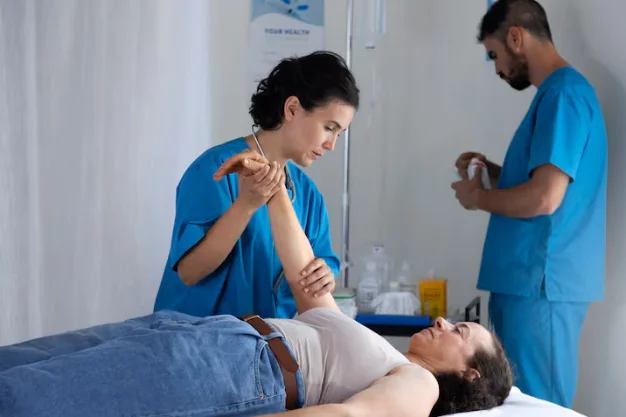
Extended bed rest can slow recovery, but doing too much too soon can also delay healing. Short, manageable walks spread throughout the day are usually better tolerated than one long outing. During the early stages, brief periods of walking every few hours may be enough. Walking distance can then be increased gradually as strength and stamina improve. Lifting, driving, stair use and yard work may remain restricted for a period determined by the surgeon.
Activity should increase only when pain, swelling and fatigue are stable or improving. Compression garments and leg elevation should be used only as directed, since recommendations differ between arterial and venous procedures. The timing of a return to work also depends on job demands. Someone with a desk-based role may return sooner than a person whose work involves driving, standing for long periods, lifting, or other physical activity.
Warning Signs That Require Prompt Attention
Mild bruising, soreness and fatigue may occur during recovery. A sudden or significant change in symptoms, however, should not be ignored. Contact the vascular care team if there is increasing redness, warmth, or drainage around the incision. Medical advice is also needed for bleeding that does not stop with firm pressure, new swelling in one leg, calf pain, fever, difficulty taking prescribed medication, or a foot that becomes cold, pale, numb, or discolored.
Sudden shortness of breath, chest pain, fainting, facial drooping, or difficulty speaking requires immediate emergency care. New neck swelling after carotid surgery also requires urgent assessment. Checking the incision each day can help identify changes early. Patients should compare the area with how it looked the previous day and report any clear worsening.
Choose the Best Vascular Treatment Option for Your Health
Explore your treatment options and get expert advice from our vascular surgeon.
Why Follow-Up Care Remains Essential
Surgery addresses an underlying blood-flow problem but does not eliminate the ongoing need for vascular care. Follow-up appointments may include an incision assessment, pulse examination, medication review or ultrasound. Stents, bypass grafts and aneurysm repairs may require imaging at a later stage to confirm that blood flow remains stable and surveillance requirements vary by procedure.
Missed appointments can allow a narrowing graft, wound complication or medication issue to go undetected. Bringing a written record of symptoms and current medications to each appointment supports a more productive consultation.
Final Thoughts
For patients recovering following Peripheral Arterial Disease Treatment, wound assessment, activity guidance and imaging requirements are determined by the specific procedure performed. Prime Vascular Care supports patients throughout diagnosis, treatment and post-procedure follow-up. A measured recovery, supported by regular meals, gradual activity, medication adherence and attendance at scheduled appointments, allows the body adequate time to heal. Patients uncertain about nutrition, medication, wound care or activity level should consult their vascular care team before making independent changes.