
When a wound is not healing, most people focus on dressings and keeping the area clean. What rarely gets enough attention is nutrition. Specifically, how much protein you are eating every day.
For patients managing a vascular condition, this matters even more. A high-protein diet directly supports every stage of wound care treatment, from closing the wound to fighting infection to rebuilding healthy tissue.
Why Your Body Needs More Protein When Healing a Wound
The moment a wound forms, your body starts an intensive repair process that burns through protein fast. Protein provides the amino acids needed to build collagen, produce immune cells and grow new skin tissue.
Daily protein needs increase significantly during active healing. Most adults need between 1.2 and 1.5 grams per kilogram of body weight each day. For a 180-pound person, that is over 120 grams daily. The average diet delivers roughly half that amount.
How Protein Supports Wound Healing at Every Stage
Collagen Formation and Wound Closure
Collagen is the structural protein that closes and reinforces damaged tissue. The body builds it using amino acids, primarily glycine and proline, sourced from dietary protein. When protein intake is low, collagen production slows, the wound stays open longer and new tissue forms weaker than it should.
Immune Defense Against Infection
An open wound is vulnerable to bacteria. The immune system depends on proteins to produce the white blood cells and antibodies that protect the wound site. Low protein intake weakens that defense before visible symptoms even appear.
Skin Cell Regeneration
New skin cells must multiply and migrate continuously across the wound bed. That process requires a steady supply of amino acids. When protein drops, cell growth slows and the wound remains open and at risk for longer. Patients who are already receiving non-healing wound specialist care often find that improving protein intake alongside clinical treatment accelerates their recovery noticeably.
Best High-Protein Foods to Eat During Wound Recovery
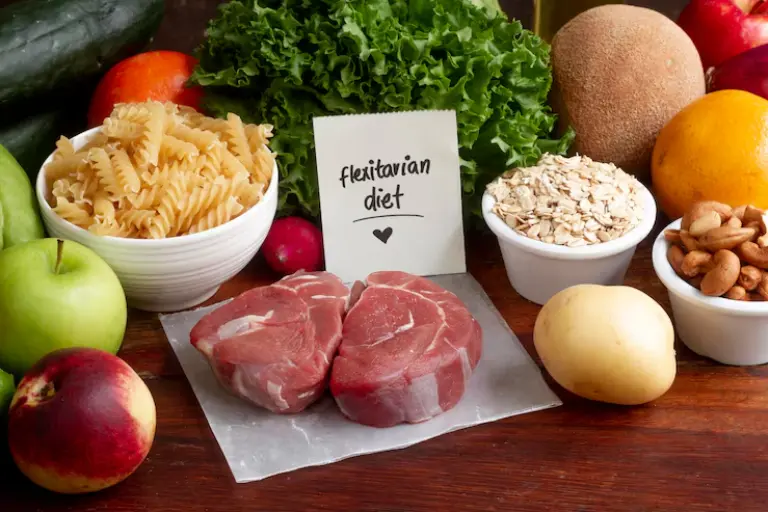
The best protein sources for wound healing include chicken breast, salmon, eggs, cottage cheese, Greek yogurt and lentils. Chicken breast and salmon are especially effective as they deliver high protein alongside nutrients that directly support tissue repair. Eggs provide a complete amino acid profile in a single serving. Cottage cheese absorbs slowly, making it a good option before sleep when the body does most of its repair work.
Combining animal and plant-based sources like lentils across the week provides a broader amino acid range and keeps nutrition consistent throughout recovery.
Choose the Best Wound Care Treatment for Your Health
Explore your treatment options and get expert advice from our vascular surgeon.
What Happens to Your Wound When Protein Is Too Low
Protein deficiency during healing produces clear, specific effects. Wound edges fail to close or reopen under normal tension. Infection risk rises as immune activity declines. Swelling and fluid buildup increase around the wound site. The body begins breaking down muscle tissue to source the amino acids it needs. Weeks can pass without measurable progress toward closure.
For patients with vascular disease, these effects are significantly worse. Arterial or venous disease already limits how much oxygen and nutrition reach the wound. Low protein removes another critical resource from a system already under strain. Patients dealing with venous leg wounds in particular may also benefit from varicose vein treatment, as damaged vein valves directly affect how well blood and nutrients circulate to the affected area.
Other Nutrients That Help Protein Work More Effectively
Protein does the structural work but several nutrients are required alongside it. Vitamin C supports collagen formation and is found in citrus, peppers and broccoli. Zinc drives immune response and cell division, with good sources including meat, lentils and pumpkin seeds. Iron delivers oxygen to the repair site through spinach, red meat and fortified grains. Vitamin A supports new skin cell development and is found in sweet potatoes and eggs. Omega-3 fatty acids regulate inflammation and are best sourced from fatty fish and flaxseed.
Why Protein Alone Cannot Heal a Wound Caused by Poor Circulation
Improving protein intake genuinely supports healing. But if blood flow to the wound is restricted, protein cannot reach the tissue in sufficient amounts regardless of how much you eat.
Arterial blockages and chronic venous insufficiency create a delivery problem that diet alone cannot solve. When leg veins fail to return blood properly, pooling blood breaks down skin over time and produces wounds that resist standard care. This is also why some patients with leg wounds may require deep vein thrombosis treatment as part of their overall care plan, since clotting in the deep veins directly disrupts the circulation that wound healing depends on.
This is why patients with diabetic foot ulcers often see little progress even when nutrition improves and wound care is consistent. The underlying circulation issue must be addressed first before recovery can move forward.
Wound Care and Vascular Treatment in Northern Virginia
Prime Vascular Care treats patients in Northern Virginia whose wounds are not responding to standard care. The clinical team identifies and addresses the vascular factors preventing closure, including peripheral arterial disease, venous insufficiency and diabetes-related complications.
Protein gives your body the building blocks to heal. Healthy circulation is what delivers them to the wound.
Visit pvcdoc.com to speak with a specialist about what is preventing your wound from healing.