

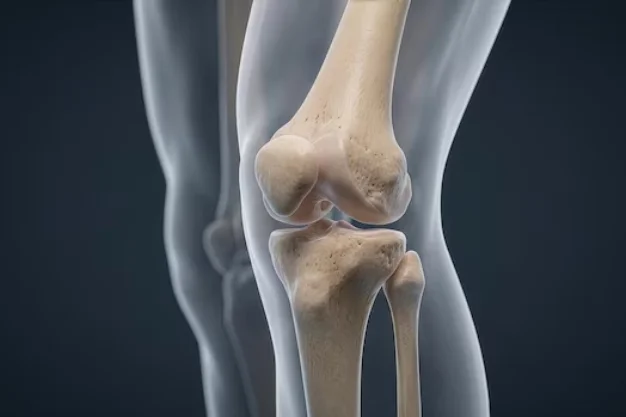
Genicular artery embolization (GAE) is a minimally invasive procedure designed for adults in Virginia managing chronic knee pain from osteoarthritis or tendinopathy. Understanding the genicular artery embolization side effects helps patients and caregivers make informed decisions and plan for recovery.
Patients should know what to expect during healing, how side effects may present and when to schedule a follow-up with a vascular specialist. Awareness supports safety and reduces anxiety about the procedure. Side effects can temporarily impact mobility, comfort and daily activities, but knowing what is typical helps patients adapt their activity and self-care routines. Tracking and communicating any unusual reactions ensures timely intervention and helps maintain the overall effectiveness of the treatment.
What to Expect During Genicular Artery Embolization
GAE targets small arteries supplying the knee joint lining, reducing blood flow to inflamed areas to relieve pain. The procedure avoids open surgery and most patients return home the same day. Recovery is typically faster than with traditional surgical alternatives. Patients receive expert care from a Fairfax vascular surgeon who ensures personalised treatment planning.
Because GAE works through the vascular system, knee embolization side effects differ from injections or surgical interventions. Pre-procedure evaluation of vascular health and knee history ensures a safer and more predictable outcome for each patient. Patients are also guided on activity modifications and post-procedure care to optimise recovery and comfort.
Common Side Effects Following GAE
Most patients experience mild, temporary symptoms as part of the natural healing process, not as signs of complication. These reactions typically resolve within a short period and following post-procedure care instructions can help ensure a smooth recovery after endovascular surgery.
Mild and Expected Reactions
- Localized soreness or tenderness around the knee
- Mild swelling lasting several days
- Skin discoloration at the catheter insertion site
- Temporary stiffness during early movement
These effects generally resolve within one to two weeks. Following rest, keeping the leg elevated and adhering to post-procedure instructions helps ensure a smoother recovery. Patients may occasionally notice minor bruising or mild fatigue, which typically subsides on its own without intervention.
Symptoms Requiring Immediate Attention
Some side effects of geniculate artery embolization treatment are less common but should be evaluated promptly by a healthcare professional.
- Persistent or worsening pain beyond the expected window
- Signs of infection at the access site, such as warmth, redness, or discharge
- Unusual changes in skin color or temperature in the lower leg
- Numbness or reduced sensation that does not improve
Patients who experience any of these symptoms should reach out to their care team immediately instead of waiting for a scheduled follow-up. Prompt reporting ensures timely evaluation and reduces the risk of complications.
Choose the Best Genicular Artery Embolization Treatment Option for Your Health
Explore your treatment options and get expert advice from our vascular surgeon.
Comparing GAE Side Effects to Other Knee Pain Treatments
Knee embolization side effects are generally milder and shorter in duration than those following partial or total knee replacement. Surgical recovery often involves longer rehabilitation, more tissue disruption and extended downtime.
Corticosteroid injections carry a different side effect profile, including potential decreased effectiveness with repeated use. GAE provides an alternative for patients seeking non-surgical relief while avoiding repeated injections. Individual responses vary based on vascular anatomy, health and the degree of joint degeneration.
When Genicular Artery Embolization Is Recommended
GAE is typically recommended for adults with chronic knee pain who have not achieved lasting relief through physical therapy or medication. Ideal candidates often show mild to moderate osteoarthritis on imaging and have accessible vascular anatomy for catheter-based treatment.
A comprehensive vascular health assessment by a vascular surgeon who establishes whether a patient is an appropriate candidate and if circulation issues or lifestyle adjustments may complement or substitute the procedure. Candidates should also take post-procedure supportive therapies, such as compression therapy, into consideration.
Final Thoughts
Understanding the genicular artery embolization side effects helps patients set realistic expectations for recovery. Most reactions are mild and temporary, but any persistent or unusual symptoms should be reviewed promptly.
Virginia residents experiencing chronic knee pain are encouraged to consult a specialist at Prime Vascular Care to determine if GAE is suitable for their condition. The team can also guide patients through complementary therapies, post-procedure care and strategies for long-term pain management to optimise outcomes.