

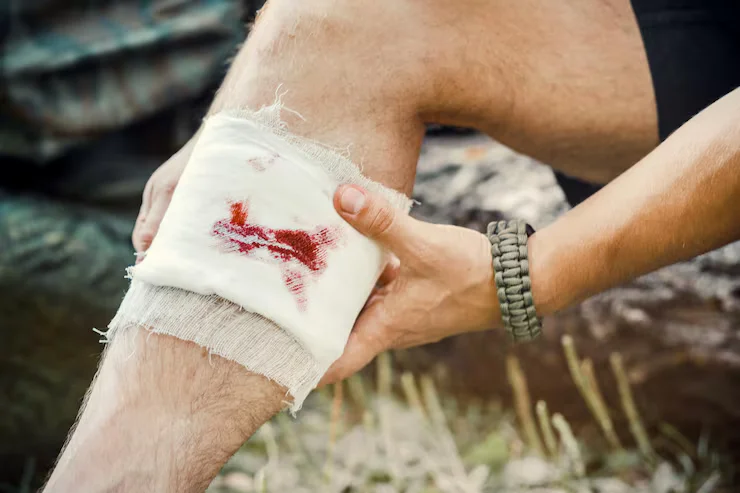
Even a small cut can turn into a bigger problem if not cared for properly. What begins as a simple scrape can quickly show redness, swelling, unusual pain, warmth, or discharge, raising concerns about infection. Some wounds take longer to heal because the issue goes beyond the surface. Factors like poor circulation, diabetes, persistent pressure, swelling, or improper dressing can slow recovery.
Understanding these causes explains why minor injuries sometimes stay open when the body struggles to deliver enough oxygen and nutrients to the affected tissue.
How to Heal an Infected Wound and Identify Early Infection
A new wound often appears pink, feels tender, and may swell slightly. These are normal signs of healing. Concern arises when the wound worsens instead of improving.
|
What You Notice |
What It May Mean |
| Warm skin around the wound |
Infection may be starting |
|
Thick yellow or green drainage |
Possible pus build-up |
|
Bad smell on the dressing |
Bacteria may be multiplying |
|
Redness spreading outward |
Infection may be moving into surrounding tissue |
|
Fever or chills |
The body may be reacting systemically |
On darker skin, redness may appear purple, grey, shiny, or simply darker than the surrounding skin. Regardless of skin tone, warmth, pain and swelling remain key indicators of infection.
Why Do Infected Wounds Heal Slowly?
Infected wound healing depends on blood circulation, immune function, dressing care, and how quickly treatment begins. Several factors can disrupt all of these at once. Poor nutrition, underlying medical conditions, or repeated trauma to the area can slow recovery. Timely intervention and proper wound management are essential to prevent complications and support faster, safer healing.
Does Poor Circulation Prevent Wound Recovery?
Reduced blood flow to the limbs limits the oxygen and immune cells reaching a wound, slowing the healing process. Narrowed blood vessels also restrict the nutrients the skin needs to repair itself. Over time, this can lead to peripheral arterial disease, further reducing circulation to the feet and legs and making infections harder to fight. Prompt care and monitoring are essential to prevent complications and support faster, safer healing.
Can Diabetes Make Wound Infections Worse?
Yes. High blood sugar can slow down the body’s ability to heal wounds. Elevated glucose levels weaken the immune system, giving bacteria more opportunity to infect open wounds. Additionally, people with diabetes may not notice injuries, especially in the feet, due to reduced nerve sensation, increasing the risk of complications.
Choose the Best Wound Care Treatment for Your Health
Explore your treatment options and get expert advice from our vascular surgeon.
How to Care for an Infected Wound at Home
Daily Care Practices That Support Healing
- Wash your hands thoroughly before touching the wound or dressing.
- Rinse the wound gently with clean running water or sterile saline. Clean surrounding skin with mild soap, keeping soap out of the open area where possible.
- Cover with a clean dressing and change it when wet or soiled.
- Avoid picking at scabs or loose skin.
- Keep pressure off the wound, particularly if it is on the foot.
- Check drainage, smell, size and pain each day and note any changes.
Harsh scrubbing, alcohol, hydrogen peroxide and repeated probing can irritate healing tissue and delay closure. Kitchen ingredients such as turmeric, essential oils, toothpaste or herbal pastes are not substitutes for clinical wound care and can trap debris or introduce bacteria.
When Should an Infected Wound Be Evaluated by a Doctor?
If a wound shows no measurable improvement after a day or two of appropriate home care, or symptoms are worsening, seek medical evaluation. Foot wounds, leg ulcers, puncture wounds, bites, burns, surgical wounds, and sores in people with diabetes all require extra caution. Understanding how to heal an infected wound naturally can help support recovery in mild cases, but professional guidance is essential to prevent complications and ensure proper healing.
Warning Signs That Need Immediate Attention
- Spreading warmth, swelling or pain around the wound
- Pus that keeps returning despite dressing changes
- Bad smell after wound cleaning
- Fever, chills or red streaking extending from the wound
- Black tissue, numbness or exposed deeper tissue
- No signs of improvement after one to two days of home care
A foot or lower-leg wound deserves particular attention. Poor circulation can make infection harder to fight and can cause the wound to appear less serious than it actually is.
Getting Expert Care for Non-Healing Infected Wounds
Infections can delay healing in multiple ways, including poor circulation, reduced immunity, improper dressing care and chronic conditions such as diabetes. Often, when home care isn’t enough, the root cause goes deeper than the wound itself.
Prevention relies on simple, consistent habits: keeping hands and dressings clean, relieving pressure, wearing proper footwear, and regularly checking areas that may be numb or less sensitive. If a wound isn’t improving within a few days or you notice warning signs, Prime Vascular Care can help. Our wound care treatment addresses infections, slow-healing wounds, and circulation-related concerns, including detailed blood flow assessments for leg, ankle, foot, or toe injuries.