

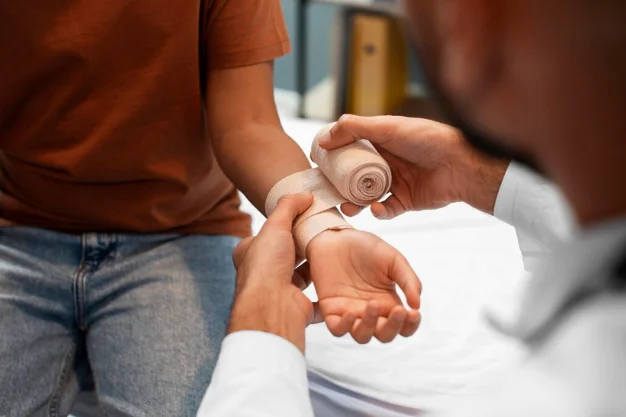
A small cut on your foot can turn into a serious problem when blood sugar stays elevated. The wound looks minor at first. Days pass. The skin stays open. Redness spreads. Drainage appears. This is how diabetic wound healing quietly becomes a medical emergency.
High blood sugar damages blood vessels, suppresses immune function and reduces nerve sensation. These three factors combine to slow wound closure and make wounds easy to miss until they have already worsened.
Why Do Diabetic Wounds Heal Slowly?
Diabetic wound healing depends on blood circulation, nerve function, infection control and how quickly treatment begins. High blood sugar disrupts all of these at once.
| Problem | What Happens |
Why Healing Slows |
|
Reduced blood flow |
Less oxygen reaches damaged tissue | Skin repairs more slowly |
|
Peripheral neuropathy |
Injuries go unfelt and untreated |
Wounds worsen before care begins |
|
Impaired immune response |
Bacteria multiply unchecked |
Infection risk increases |
|
Chronic inflammation |
Wound stays irritated |
Tissue rebuilding stalls |
| Collagen disruption | New tissue forms slowly and weakly |
Wounds reopen or stay fragile |
How Does High Blood Sugar Affect Wound Healing?
Does Poor Circulation Prevent Wound Recovery?
Yes. Elevated glucose thickens the blood, making it harder for the heart to push oxygen and nutrients to the extremities. The affect of poor circulation on wound healing is significant , narrowed vessels reduce oxygen delivery, slow immune cell transport and leave tissue unable to complete normal repair cycles. Over time, this damage compounds into peripheral arterial disease, further limiting blood flow to the feet and legs.
Can Nerve Damage Hide a Diabetic Wound?
Yes. Approximately 60% of people with diabetes develop peripheral neuropathy, which reduces sensation in the feet. Patients frequently miss blisters, cracks, or pressure sores forming under calluses. That delay allows wounds to deepen or become infected before any care begins.
Does Diabetes Increase Infection Risk?
Yes. High blood sugar triggers a process called glycation, where sugar molecules bind to proteins and disrupt normal immune cell function. The blood also produces a compound called dicarbonyl, which further weakens the body’s defenses. As a result, bacteria multiply faster and white blood cells respond more slowly , a dangerous combination in an open wound.
How Does High Blood Sugar Affect Collagen?
Hyperglycemia disrupts collagen production, the process your body uses to rebuild skin and connective tissue after injury. Without adequate collagen synthesis, new tissue forms slowly and remains fragile. Wounds may partially close and then reopen, extending the healing timeline significantly.
How to Help Diabetic Wounds Heal Faster
Daily Care Practices That Support Healing
Control blood sugar: Glycemic control is the single most influential factor in healing speed and infection resistance.
Inspect your feet every day: including soles, between the toes and around the heels.
Clean new wounds gently: with mild soap and water. Keep them covered and change dressings as directed.
Choose the right dressing: Foam dressings work for wounds with heavy drainage. Alginate dressings suit deep or discharging wounds. Hydrogel dressings help dry wounds shed dead tissue and stay moist. Your care team can guide the right choice through a structured wound care treatment plan tailored to wound depth, drainage level and circulation status.
Offload pressure from the wound: Avoid bearing weight on a wounded foot. Use prescribed footwear or offloading devices if recommended.
Quit smoking: Smoking reduces blood flow and oxygen delivery to tissue, directly counteracting the healing process.
Support healing through nutrition: A high protein diet provides the amino acids your body needs for collagen synthesis and cell regeneration. Protein deficiency is one of the most overlooked barriers to wound closure in diabetic patients.
Exercise regularly: Gentle aerobic activity lowers blood sugar, reduces chronic inflammation and improves circulation to the extremities.
Choose the Best Wound Healing Treatment for Your Health
Explore your treatment options and get expert advice from our vascular surgeon.
When Should a Diabetic Wound Be Evaluated by a Doctor?
If a wound shows no measurable improvement after two weeks of appropriate home care, that is a clinical indicator for specialist evaluation. Wounds that remain open past four weeks are classified as chronic wounds and require a structured medical treatment plan.
Warning Signs That Need Immediate Attention
- Redness spreading beyond the wound edges
- Warmth, swelling, or increasing pain
- Pus, foul odor, or worsening drainage
- Skin turning pale, bluish, or black
- Fever or chills
What Does a Diabetic Foot Ulcer Look Like?
Early-stage ulcers often appear as red sores, most commonly on the ball of the foot near the big toe. Clear drainage suggests an early wound. Colored pus and odor indicate infection. If the surrounding skin turns dark or the wound deepens, seek care immediately. Neuropathy may mask pain entirely.
What Can a Vascular Specialist Do?
When arterial disease is identified as the underlying cause, PAD treatment restores blood flow to the affected limb, giving the wound the circulation it needs to finally close. A vascular specialist evaluates blockage severity, determines whether intervention is needed and builds a treatment plan that addresses the root cause rather than the surface wound alone.
Getting Expert Care for Non-Healing Diabetic Wounds
High blood sugar slows healing through compounding mechanisms: thickened blood, narrowed vessels, impaired immunity, nerve damage and disrupted collagen production. When home care isn’t enough, the underlying cause usually runs deeper than the wound itself.
If your wound hasn’t improved after two weeks, or you’ve noticed any of the warning signs above, it’s worth having a vascular specialist take a look. Prime Vascular Care serves patients throughout Northern Virginia, we’ll assess what’s getting in the way of healing and give you a clear picture of your options.