
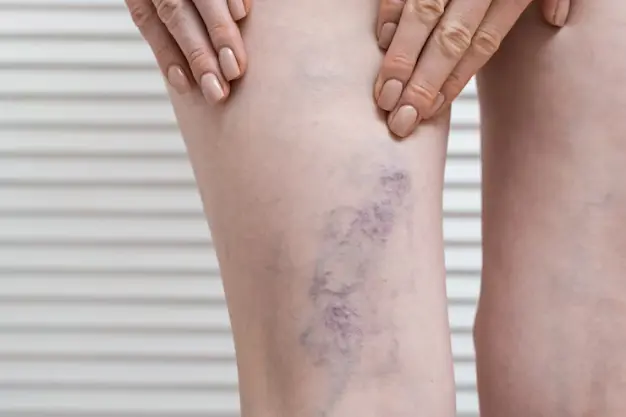
Itching is a symptom frequently reported by patients with visible varicose veins. The discomfort typically originates from physiological changes beneath the skin rather than from external irritation. Itching is one of the symptoms addressed in common vein diseases and it warrants clinical attention when it recurs in a consistent location, extends across the lower leg, or presents alongside swelling and skin discolouration.
Understanding the reason behind varicose vein itching can help patients identify whether the discomfort is caused by simple skin irritation or linked to an underlying venous condition such as chronic venous insufficiency.
Why Do Varicose Veins Become Itchy?
Varicose veins itchy symptoms are commonly associated with valvular incompetence within the venous system. When vein valves fail to function properly, blood refluxes and accumulates in the lower extremities instead of returning efficiently toward the heart. This process elevates venous pressure within the affected vessel walls.
Sustained venous pressure permits fluid and blood cells to extravasate into surrounding tissue. This leads to localized inflammation and skin irritation, which patients typically perceive as persistent itching rather than a superficial rash.
Are Varicose Veins Itchy Because of Poor Circulation?
Are varicose veins itchy because of poor circulation? Clinically, this is a common underlying mechanism. Venous stasis and elevated pressure interfere with normal fluid and nutrient exchange within the skin, resulting in dryness, tightness and irritation. In certain presentations, this reaction occurs in areas without a visibly enlarged vein, indicating that the underlying circulatory dysfunction may be located deeper within the venous system.
Venous Pressure as a Driver of Inflammation
Chronic venous pressure sustains a low-grade inflammatory state within affected tissue. Topical moisturizers may provide temporary relief, but symptoms often recur following prolonged standing, walking, or sitting. Symptom patterns frequently intensify later in the day and improve with leg elevation, which is clinically consistent with a venous origin rather than primary dermatological dryness.
What Skin Symptoms Can Develop Around Varicose Veins?
Chronic venous insufficiency can result in progressive skin changes. Clinical presentations may include:
- Dry or flaking skin near the ankle or calf
- Erythema or persistent irritation
- Brownish or reddish discolouration resulting from chronic fluid leakage
- Localized swelling in the affected limb
- A warm or burning sensation of the skin
Venous Eczema and Its Clinical Significance
Untreated inflammation may progress to venous stasis dermatitis, also referred to as venous eczema. This condition typically presents as dry, warm, or significantly pruritic skin around the ankle or lower calf. Scratching can compromise the skin barrier, increasing the risk of scaling, weeping, or secondary infection.
Choose the Best Varicose Vein Treatment Option for Your Health
Explore your treatment options and get expert advice from our vascular surgeon.
Safe Ways to Soothe Itchy Vein Symptoms
While clinical evaluation by a vascular specialist is recommended, several supportive measures may reduce mild discomfort:
- Application of a fragrance-free moisturizer to intact skin
- Use of a cool compress to reduce localized irritation
- Leg elevation during rest periods to reduce venous pressure
- Regular ambulation following extended sitting or standing
- Wearing breathable, non-restrictive clothing to minimize friction
- Maintaining trimmed fingernails to limit skin trauma from scratching
Compression therapy may also help improve symptoms when recommended by a clinician. The correct compression level and fit are important to ensure it is safe and effective for your specific condition.
When Should Itchy Varicose Veins Be Checked?
Intermittent itching may result from several benign causes, including dry skin, allergic reactions, or insect bites. Clinical evaluation becomes appropriate when symptoms persist in a consistent location or present alongside the following findings:
- Persistent swelling of the ankle or calf
- Skin that is darkening, hardening, or scaling
- Warmth, tenderness, or expanding erythema
- Fluid discharge from irritated or scratched skin
- A wound that fails to heal within an expected timeframe
- A firm, tender vein palpable beneath the skin
Sudden unilateral swelling, acute severe pain, or difficulty breathing requires immediate medical evaluation and should not be managed as a routine dermatological concern. For patients experiencing skin breakdown or slow-healing wounds related to vein disease, specialised wound care treatment may also be needed to support healing and prevent complications.
Final Thoughts
A vascular specialist can identify whether itching is linked to venous reflux through symptom review, examination and duplex ultrasound. Depending on the findings, treatment may include skin care, lifestyle adjustments, compression therapy, or procedures to close affected veins. The right varicose vein treatment depends on the vein condition, skin health and overall circulation, with the goal of addressing the underlying cause rather than only managing itching.
Prime Vascular Care provides vein-related symptom evaluation for patients in Sterling and throughout Northern Virginia, distinguishing primary dermatological concerns from underlying venous disease to guide appropriate, individualized care.