
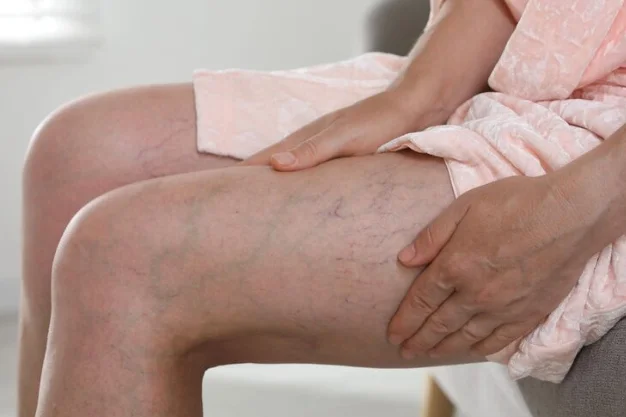
Varicose veins and chronic venous insufficiency can produce leg sensations that closely resemble restless legs syndrome (RLS), including aching, heaviness, tingling and an urge to move the legs in the evening. Research has identified an association between the two conditions. Some patients with confirmed venous reflux report that their restless symptoms ease after the faulty veins are treated. Venous disease is not, however, the cause of most RLS cases, which more often relate to brain dopamine signaling, low iron stores, kidney disease, pregnancy or certain medications. Distinguishing between true RLS and vein-related symptoms requires a careful history and, in many cases, a duplex ultrasound of the leg veins.
What Restless Legs Syndrome Involves
RLS is a neurological sensorimotor condition defined by an urge to move the legs, usually accompanied by uncomfortable sensations deep within the calves or thighs. People describe these feelings as crawling, pulling, throbbing or an itch that cannot be scratched. Clinicians rely on four core features to recognize the condition:
- An urge to move the legs, typically with unpleasant sensations
- Onset or worsening during rest, such as sitting or lying down
- Partial or complete relief with movement such as walking or stretching
- A pattern of symptoms that is worse in the evening or at night
A diagnosis also requires that these features are not better explained by another condition. In the United States, estimates suggest that RLS affects roughly 2 to 15 percent of adults, with women affected roughly twice as often as men. Sensations that are sharp and painful and that lock a muscle in place are more consistent with cramping, a distinction explored further in the difference between night cramps and RLS.
The Connection Between Vein Disease and Restless Legs
Healthy leg veins contain one-way valves that keep blood moving toward the heart. When those valves weaken, blood flows backward and pools in the lower legs, a condition known as venous reflux or chronic venous insufficiency. The resulting rise in venous pressure stretches the vein walls and can irritate the surrounding tissue and small nerves.
People with this pattern frequently report heaviness, throbbing, tingling or a restless discomfort that builds through the day and becomes most noticeable in the evening, when the legs have spent many hours upright. The timing overlaps closely with RLS and so does the response to movement, since walking activates the calf muscle pump and temporarily reduces pooling. Many of the early symptoms of chronic venous insufficiency are therefore easy to mistake for a sleep or nerve disorder.
Clinical Evidence Linking Venous Insufficiency and RLS
Several clinical studies have examined patients with both RLS symptoms and documented venous reflux. A number of retrospective reviews have reported that a meaningful proportion of these patients experienced improvement in restless symptoms after the diseased veins were closed. A recent systematic review concluded that an association between RLS and chronic venous insufficiency exists, while noting that most available studies are small, observational and lacking control groups.
The current evidence therefore supports a cautious interpretation. Vein treatment is not considered a therapy for RLS itself, but treating confirmed venous reflux may relieve leg discomfort in patients whose symptoms stem partly or entirely from vein disease. Identifying that subgroup is the purpose of a vascular evaluation.
Signs That Restless Leg Symptoms May Be Vein-Related
Certain features increase the likelihood that venous disease is contributing to restless sensations:
- Visible varicose veins, spider veins or bulging veins on the calves or thighs
- Swelling around the ankles that is worse by evening and improves overnight
- Aching or heaviness that eases when the legs are elevated
- Brownish discoloration, dryness or itching of the skin near the ankles
- Symptoms that are more pronounced in one leg than the other
- Relief when wearing compression stockings during the day
Conversely, symptoms that appear only at night, affect both legs equally and occur without any visible vein changes or swelling are more typical of primary RLS.
Choose the Best Varicose Vein Treatment for Your Health
Explore your treatment options and get expert advice from our vascular surgeon.
Common Causes of Restless Legs Beyond Vein Disease
Because RLS has several well-established triggers, a thorough assessment considers factors beyond the veins. Low iron stores are among the most common and treatable contributors. Clinicians often check ferritin levels as an early step. Chronic kidney disease, pregnancy and peripheral neuropathy are associated with higher rates of RLS. Certain medications, including some antidepressants, antihistamines and anti-nausea drugs, can provoke or worsen symptoms. Caffeine, alcohol and irregular sleep can intensify sensations as well. The broader relationship between rest and circulation is discussed in how sleep affects vein health.
Diagnosing Venous Reflux and Exploring Treatment Options
A vascular specialist begins by reviewing the timing, location and character of the symptoms along with medical history and current medications. A physical examination looks for varicose veins, swelling and skin changes around the ankles. Duplex ultrasound is the key test, since it shows whether the valves in the superficial and deep veins are closing properly and measures how long blood flows backward when they fail.
When the scan confirms significant reflux, treatment of the affected veins may be considered. Minimally invasive options such as endovenous laser ablation, sclerotherapy and microphlebectomy are performed in an office setting under local anesthesia. A specialist can explain which approach suits the findings as part of varicose vein treatment. When the ultrasound is normal, the result is still valuable, since it directs attention toward iron levels, medications or a neurological evaluation.
SEEK EMERGENCY CARE IMMEDIATELY
Restless discomfort in the legs is rarely an emergency. Call 911 or go to the nearest emergency department if sudden swelling of one leg is accompanied by chest pain, shortness of breath or coughing up blood. These signs may indicate a blood clot that has traveled to the lungs.
Final Thoughts
Evening leg discomfort that disrupts sleep deserves a clear explanation rather than an assumption about its cause. Prime Vascular Care uses duplex ultrasound at its Sterling and Woodbridge clinics to determine whether venous reflux is contributing to restless symptoms and coordinates with primary care physicians when other causes appear more likely. Patients from Alexandria, Stafford, Warrenton and those seeking vascular care in Hamilton can schedule an evaluation to understand what is driving their symptoms and which options are appropriate.