

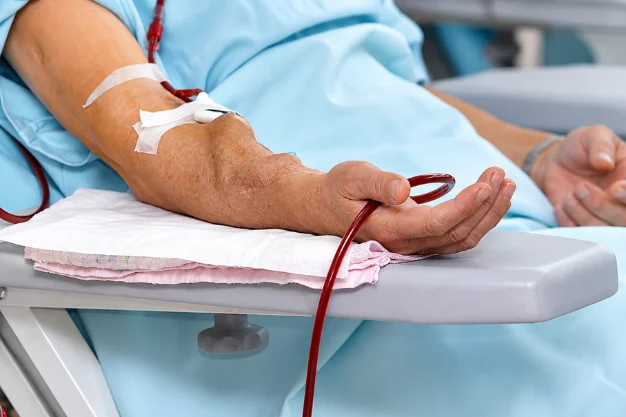
For patients receiving hemodialysis, vascular access created in the arm, typically an arteriovenous fistula or graft, is essential for effective treatment. In some cases, however, the access redirects too much arterial blood flow away from the hand, even while continuing to function as intended. This reduced circulation can cause symptoms such as coldness, aching, or numbness in the fingers that were not present before dialysis began.
This condition is known as dialysis access steal syndrome, clinically referred to as hemodialysis access-induced distal ischemia. Since the access itself usually continues functioning properly, the problem can be difficult to recognize at first. Understanding AV fistula for dalysis helps clarify the mechanism: blood naturally moves through areas with lower resistance and a fistula or graft can create a pathway that redirects more blood flow away from the smaller arteries supplying the hand and fingers.
Why Early Signs of Steal Syndrome Are Often Missed
Early symptoms are often mistaken for unrelated issues. A cool hand during dialysis may be attributed to the treatment environment, while tingling or discomfort may be dismissed as temporary positioning effects. Since the access remains functional and dialysis continues normally, there may not be an immediate reason to suspect reduced blood supply. Several factors can increase the risk of developing steal syndrome, including diabetes, advanced age, peripheral artery disease and access created using the brachial artery in the upper arm. Women also appear to experience this complication more frequently than men. Without these risk factors being recognized or assessed, symptoms may continue for weeks or months before a diagnosis is made.
In a busy dialysis environment, mild changes in hand temperature or sensation may not immediately interrupt treatment. As symptoms continue or become more noticeable, they may eventually be linked to the access. This delay between symptom onset and diagnosis is when avoidable circulation problems can develop.
What Are the Warning Signs of Steal Syndrome?
Steal syndrome usually develops through different levels of severity and recognizing early warning signs can help protect hand function and preserve dialysis access.
|
Stage |
Typical Symptoms |
Usual Next Step |
|
Mild |
Cold fingers or occasional tingling during dialysis |
Close monitoring without a procedure |
|
Moderate |
Numbness, hand weakness, or pain during treatment |
Vascular evaluation and possible angioplasty |
|
Severe |
Constant rest pain, pale or bluish fingertips or ulcers |
Surgical revision to protect the hand |
Evaluation generally starts with a physical examination of hand pulses, skin temperature and circulation. If the findings are unclear, additional testing such as Doppler ultrasound or digital pressure measurements may be used to identify warning signs dialysis access issues and determine how much blood reaches the fingertips compared with the amount directed through the access.
Symptoms That Require Prompt Vascular Evaluation
A vascular specialist should evaluate the condition within the same week if any of the following symptoms appear:
- Pale, bluish, or unusually cold fingertips
- Hand pain that continues after dialysis ends
- Numbness or weakness affecting grip
- An open sore or ulcer near the fingertips
- A noticeable change compared with previous dialysis sessions
Regular monitoring between dialysis sessions and reporting even mild changes can help maintain more treatment options. The same attention is important for recognizing broader access problems, as steal syndrome and access dysfunction may sometimes present with similar symptoms.
Choose the Best Dialysis Access & Maintenance Treatment for Your Health
Explore your treatment options and get expert advice from our vascular surgeon.
Potential Complications of Untreated Steal Syndrome
Without appropriate treatment, mild steal syndrome may gradually become more serious. The imbalance between access flow and blood supply to the hand can worsen over time, especially when narrowing in the arteries supplying the access remains untreated. Possible complications include:
- Permanent nerve damage caused by prolonged numbness
- Skin breakdown and ulcers that are difficult to heal
- Fingertip tissue loss that may require amputation
- Closure of the access to protect the hand
- Interrupted dialysis while a new access is created
Losing a functioning dialysis access means repeating the placement process, often with fewer suitable veins and arteries available. For patients already managing kidney disease, this can create additional challenges beyond the immediate arm symptoms.
How a Vascular Specialist Treats Dialysis Access Steal Syndrome
Managing steal syndrome dialysis vascular access requires balancing two important goals: maintaining a reliable dialysis access while restoring enough blood flow to the hand. Achieving this balance requires experience with both vascular access procedures and circulation problems.
A vascular surgeon can measure how much blood flow is being diverted through the access, evaluate the arteries supplying the arm for blockages or narrowing and determine the most appropriate treatment approach. Depending on the cause and severity, options may include angioplasty or surgical revision. Procedures such as banding can reduce access flow to improve circulation toward the hand, while distal revascularization with interval ligation (DRIL) can create a new pathway to restore blood supply.
Since underlying arterial disease may contribute to symptoms, peripheral arterial disease treatment may also be recommended alongside access-related care.
Conclusion
When dialysis access steal syndrome is suspected, diagnosis usually involves combining physical examination findings with imaging results to understand how blood moves through the access and arm. Treatment decisions are then based on the severity of symptoms and the condition of both the hand and dialysis access. Some patients may only need continued monitoring, while others may require dialysis access maintenance to maintain proper blood flow balance. In more advanced cases, surgical revision may be needed to protect circulation while preserving access function.
Any new coldness, tingling, weakness, or pain in the hand during dialysis should be evaluated promptly. Early assessment can help protect circulation, prevent complications and maintain long-term access function. At Prime Vascular Care, steal syndrome is evaluated as part of overall vascular health rather than as an isolated fistula-related concern.