
How soon can a patient drive, lift a grandchild or return to work after transcarotid artery revascularization (TCAR)? These questions often matter as much to patients as the procedure itself. TCAR is a minimally invasive treatment for carotid artery narrowing that lowers stroke risk through a small incision at the base of the neck. Recovery is generally shorter than recovery from traditional open carotid surgery. Most patients spend one night in the hospital and resume light daily activity within days, with heavier exertion restricted for at least a week.
Why TCAR Recovery Differs From Open Surgery
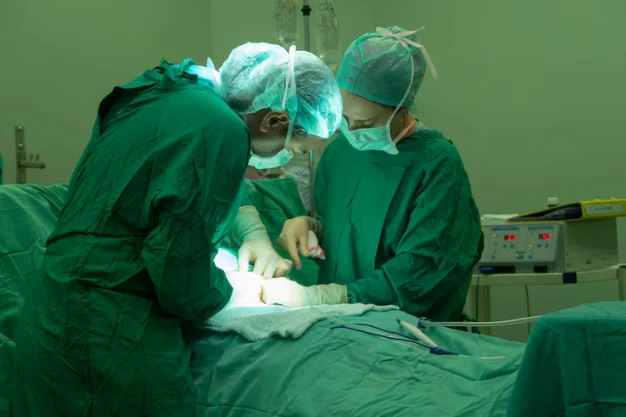
Traditional carotid endarterectomy requires a longer incision along the side of the neck to open the artery and remove plaque directly. TCAR takes a different path. The surgeon makes a small incision just above the collarbone, temporarily reverses blood flow in the carotid artery to direct loose debris away from the brain and places a stent across the narrowed segment. A second small access point in the upper leg returns filtered blood to the body during the procedure.
The smaller incision and reduced handling of neck tissue generally translate into less pain and a lower likelihood of nerve irritation affecting swallowing or the voice. A comparison of carotid endarterectomy and stenting outlines how each approach suits different patients. TCAR is often recommended for people whose age, anatomy or other medical conditions place them at higher risk with open surgery.
What Happens During the First 24 Hours After TCAR?
After the procedure, nursing staff monitor blood pressure closely. Carotid procedures can cause temporary swings in blood pressure as the body adjusts to restored flow. Neurological checks of speech, vision, facial movement and limb strength are repeated at intervals. The neck incision and the groin access site are inspected for bleeding or swelling.
The Society for Vascular Surgery notes that a one-night hospital stay is typical. Most patients are able to eat, walk and use the bathroom independently before discharge. Pain is usually mild and managed with oral medication.
TCAR Recovery at Home: What to Expect During the First Week
How to Care for the Neck Incision After TCAR
The neck incision is usually closed with dissolvable stitches or skin adhesive. Patients are generally advised to keep it clean and dry and to check it daily for redness, warmth, drainage or increasing swelling. Mild bruising and a small firm area beneath the incision are common during early healing. Showering is typically permitted within a day or two, with soaking in baths or pools postponed until the surgeon confirms the incision has closed.
Activity and Lifting
Walking is encouraged from the first day home. Gentle movement supports circulation and overall recovery. Both the Society for Vascular Surgery and Cleveland Clinic advise avoiding heavy lifting and strenuous activity for at least one week. Patients often return to desk-based work within one to two weeks. The exact timing depends on individual recovery and the surgeon’s guidance.
Driving
Driving is commonly resumed once the neck can turn comfortably and the patient has stopped taking any medication that causes drowsiness. Surgeons give individual guidance at the follow-up visit. Patients who live alone often benefit from arranging help with transportation, shopping and household tasks for the first several days after discharge. Broader advice on pacing activity after vascular procedures appears in recovery from vascular surgery.
Common Side Effects and Symptoms During TCAR Recovery
Several temporary sensations are expected in the days after TCAR. Mild soreness or tightness at the base of the neck is common and usually eases within a week. Some patients notice numbness of the skin around the incision, which typically improves gradually over several weeks. Tenderness or a small bruise at the groin access site may also appear. Fatigue is common during the first few days and generally resolves as normal routines resume.
Choose the Best Abdominal Aortic Aneurysm Treatment for Your Health
Explore your treatment options and get expert advice from our vascular surgeon.
Medications After TCAR: Preventing Blood Clots and Stroke
Antiplatelet therapy is a central part of recovery. Patients usually take aspirin together with a second antiplatelet medication such as clopidogrel for a period after the procedure to prevent clots from forming on the new stent. A statin is generally continued to stabilize plaque elsewhere in the arteries. Stopping these medications early without speaking to the surgeon can increase the risk of stent blockage or stroke.
Blood pressure medications may also be adjusted in the weeks after the procedure. Patients managing diabetes or other chronic conditions continue their usual treatment unless instructed otherwise.
Follow-Up Ultrasounds and Stent Monitoring After TCAR
A carotid duplex ultrasound is typically performed at a follow-up visit to confirm that the stent is open and blood is flowing normally. The first scan is commonly scheduled within several weeks of the procedure. Periodic ultrasounds are then scheduled to watch for renarrowing within the treated artery. Monitoring the opposite carotid artery is equally important. Atherosclerosis often affects both sides. Ongoing carotid artery disease treatment focuses on preventing progression through medication, imaging and risk factor control.
Lifestyle Changes That Support Long-Term Recovery After TCAR
The stent addresses one narrowed segment. The underlying atherosclerosis remains, which makes long-term lifestyle measures essential. Stopping tobacco use is the single most effective step. Smoking accelerates plaque growth and increases the risk of renarrowing. Regular physical activity, a diet low in saturated fat and consistent control of blood pressure, cholesterol and blood sugar all reduce future risk. Practical measures to prevent stroke from carotid disease remain relevant long after the incision has healed.
SEEK EMERGENCY CARE IMMEDIATELY
Call 911 at once if sudden weakness or numbness of the face, arm or leg appears after TCAR, especially on one side. Slurred speech, difficulty understanding speech, sudden loss of vision, a severe headache or rapidly increasing neck swelling with difficulty breathing or swallowing also require emergency care. These signs may indicate a stroke or bleeding that requires urgent treatment.
Signs of incision infection, such as fever, chills, spreading redness or drainage, warrant a prompt call to the surgeon’s office.
Final Thoughts
Clear expectations about recovery help patients plan time away from work, arrange support at home and recognize warning signs early. Prime Vascular Care performs carotid evaluations with duplex ultrasound and offers TCAR surgery in Virginia for patients who are suitable candidates. Patients from Woodbridge, Alexandria, Stafford and those seeking vascular care in Fairfax County can schedule a consultation to discuss their carotid findings and recovery plan.