

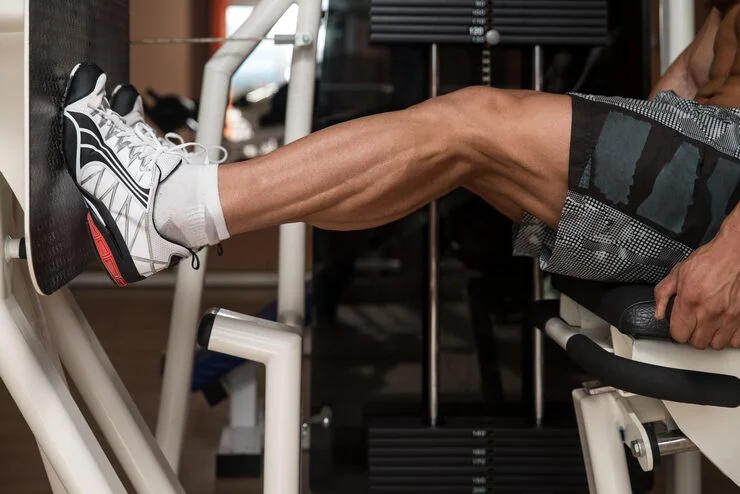
Physical activity is a central part of healthy living for many Virginia residents, from gym regulars and runners to weekend athletes. A common concern among active individuals is whether regular exercise can lead to varicose veins or make an existing vein condition worse.
Understanding how movement affects venous circulation can help you train with confidence while protecting long-term vascular health. The relationship between exercise and vein health is more nuanced than many people assume.
Does Exercise Cause Varicose Veins?
Exercise itself does not directly cause varicose veins. These veins develop when the small valves inside the leg veins weaken, allowing blood to pool rather than flow efficiently back toward the heart.
The primary drivers of this valve dysfunction are genetics, age, hormonal changes, prolonged standing, and increased pressure within the abdomen. Concern about varicose veins from working out is understandable, but the activity is rarely the root cause on its own.
In most cases, exercise supports circulation rather than harming it. The calf muscles act as a pump that helps move blood upward, which is one reason regular movement is generally protective for the venous system.
Can Exercise Worsen Varicose Veins?
While exercise does not create varicose veins, certain pressure patterns may influence existing symptoms. Activities that sharply raise pressure inside the abdomen can place additional strain on already weakened valves.
Heavy weightlifting with breath-holding, intense straining, and repetitive high-impact loading may temporarily increase venous pressure in the legs. For someone with existing vein disease, this can contribute to aching, swelling, or visible vein prominence.
The effect is usually related to technique and intensity rather than exercise itself. Adjusting how you train often matters more than whether you train.
How Does Venous Pressure Change During a Workout?
Venous pressure in the legs naturally rises and falls during physical activity. Dynamic movements such as walking, cycling, and swimming encourage rhythmic muscle contractions that assist healthy blood return.
Static strain is different. Holding your breath during a heavy lift, a technique known as the Valsalva maneuver, raises pressure throughout the venous system and can briefly stress the leg veins.
Learning to breathe steadily through exertion reduces these pressure spikes. This simple adjustment supports better circulation during any varicose veins workout routine.
Is It Safe to Train With Varicose Veins?
For most people, working out with varicose veins is safe and often beneficial. Movement helps maintain circulation, supports a healthy weight, and may ease symptoms such as heaviness or mild swelling.
Lower-impact and circulation-friendly activities are usually well tolerated. These include:
- Walking and light jogging
- Swimming and water-based exercise
- Cycling at a moderate intensity
- Yoga and gentle stretching
- Calf-strengthening movements
If you experience pain, significant swelling, or skin changes during exercise, these symptoms warrant clinical attention. A vascular health assessment can clarify whether your training routine needs to be modified.
Choose the Best Varicose Vein Treatment for Your Health
Explore your treatment options and get expert advice from our vascular surgeon.
What Types of Workouts Affect Vein Health?
Not all exercise places the same demand on the venous system. Understanding the difference helps you build a routine that supports circulation rather than straining it.
Activities that may aggravate existing vein symptoms include:
- Heavy strength training with breath-holding
- Prolonged static standing or held postures
- Repetitive high-impact running on hard surfaces
- Intense core straining without proper breathing technique
Circulation-supportive activities tend to involve continuous, rhythmic movement. When combined with sensible recovery and a focus on varicose veins circulation and lifestyle management, these approaches may help reduce the likelihood of worsening symptoms.
How Does Circulation Influence Vein Health During Exercise?
Healthy circulation depends on efficient blood return from the legs to the heart. When you move, your calf muscles contract and compress the deep veins, pushing blood upward against gravity. This process also helps reduce excessive strain and high blood pressure on veins, supporting smoother venous flow during physical activity.
This muscle pump is one of the body’s most important tools for venous health. Regular movement keeps it active, which can reduce blood pooling and the discomfort associated with sluggish circulation. For individuals with existing vein disease, compression therapy guidance may further support blood flow during activity. Compression garments are sometimes recommended to assist the muscle pump and limit swelling.
Do Athletes Face Different Vein Risks?
Athletes with varicose veins are not uncommon, despite high levels of fitness. Endurance athletes and those involved in heavy resistance training can develop visible veins due to increased blood volume, repeated pressure changes, and genetic predisposition. Visible veins in well-trained individuals are often a result of low body fat and increased vascularity rather than disease. True varicose veins, however, involve valve dysfunction and may produce symptoms regardless of fitness level. In cases where skin changes or complications occur, appropriate wound care treatment may also be required as part of comprehensive vascular management.
Athletes who notice aching, swelling, or changes in vein appearance should not assume fitness protects them. A professional evaluation can distinguish between normal vascularity and a condition that requires monitoring.
When to Seek a Vascular Evaluation
Occasional aching or visible veins after intense activity is common and rarely serious. Persistent symptoms, however, deserve closer attention.
Consider arranging a clinical review if you notice ongoing leg heaviness, swelling that does not settle, skin discoloration, or veins that become increasingly prominent. Exploring varicose vein treatment options early can prevent progression and protect long-term comfort. If symptoms persist despite adjusting your routine, the vascular team at Prime Vascular Care can assess your circulation and recommend an appropriate plan. A timely evaluation helps you stay active while caring for your vein health.