
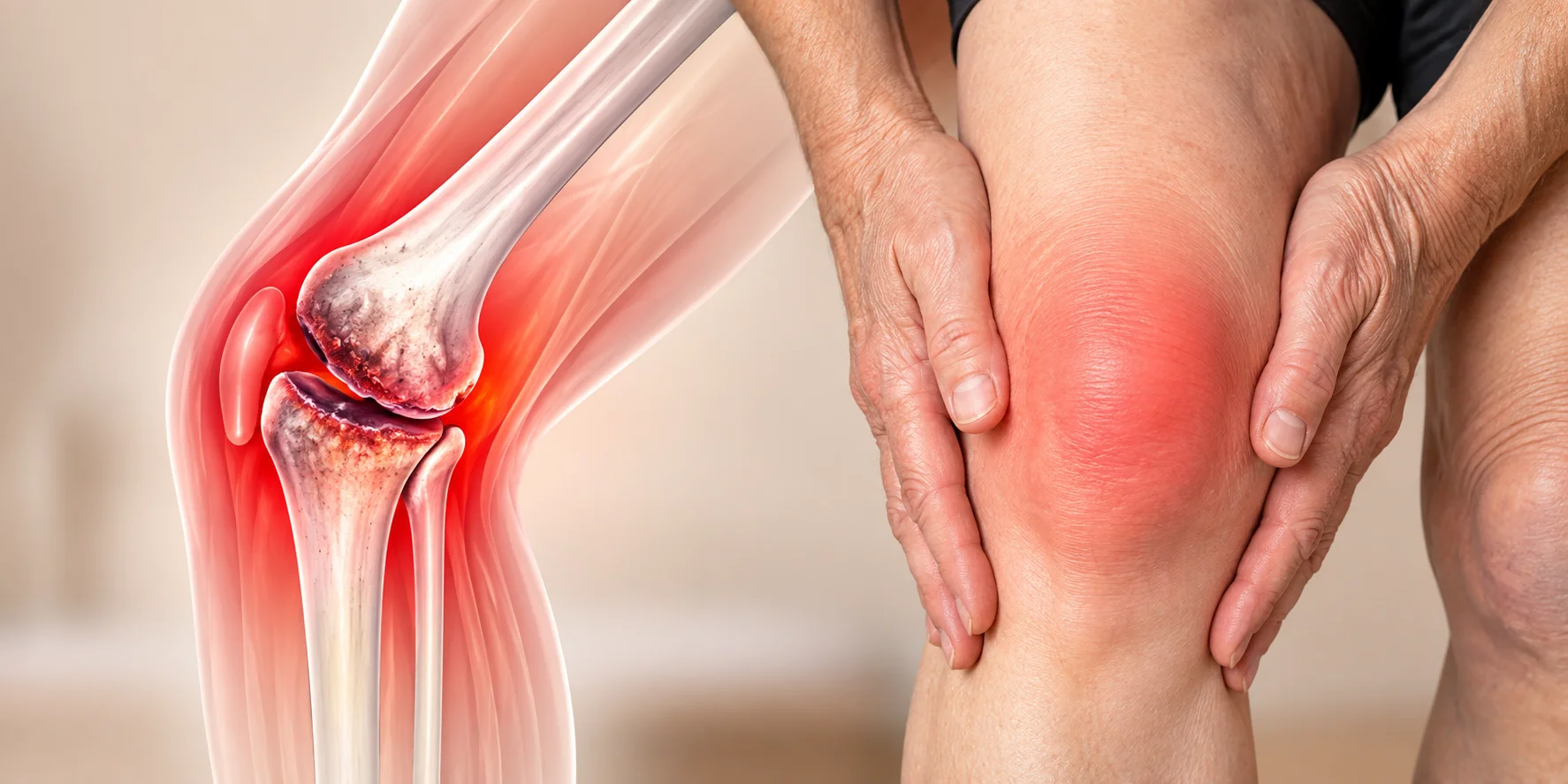
Recovery from a deep vein thrombosis (DVT) does not always mean the affected leg returns completely to its previous state. Many people recover without lasting problems, but others continue to experience swelling, heaviness, aching, or tightness around the ankle after treatment. These changes may become more noticeable after long periods of standing, walking, or sitting and can gradually begin to affect daily comfort and mobility.
Post-thrombotic syndrome describes these ongoing symptoms that can develop after a DVT when the affected vein and its valves are left damaged. Even after the acute clot has been treated, blood may not move through the leg as efficiently as it once did. Because the original DVT may have occurred months or even years earlier, the connection between the clot and these later symptoms is not always obvious, leaving patients unsure why the leg continues to feel different over time.
How Does DVT Lead to Post-Thrombotic Syndrome?
Blood from the legs must travel upward against gravity to return to the heart. Small one-way valves inside the veins help keep that blood moving in the right direction. During a DVT, a clot can damage the vein wall and impair these valves. Part of the vein may also remain narrowed after treatment.
When the vein cannot return blood efficiently, pressure can build in the lower leg. This may lead to swelling, heaviness, and aching that become more noticeable after standing or walking. Understanding common DVT symptoms also provides useful context for how the original clot can lead to longer-term circulation problems.
DVT and Post-Thrombotic Syndrome: What Is the Difference?
DVT and post-thrombotic syndrome are closely related, but they are not the same condition. A DVT occurs when a blood clot forms in a deep vein, often causing sudden pain, swelling, warmth, or tenderness. Post-thrombotic syndrome develops after a previous DVT and reflects lasting vein or valve damage rather than the original acute clot.
|
Deep Vein Thrombosis |
Post-Thrombotic Syndrome |
| A blood clot forms inside a deep vein |
Long-term symptoms follow a previous clot |
| Symptoms may develop suddenly |
Symptoms often develop gradually |
|
Treatment focuses on the clot |
Management focuses on chronic venous symptoms |
|
May cause acute pain and swelling |
May cause heaviness, swelling, aching, and skin changes |
Understanding the difference between DVT and post thrombotic syndrome is important because persistent symptoms after treatment do not always mean another clot has formed. Patients asking what is deep vein thrombosis can also review how deep vein thrombosis develops for further context.
Symptoms of Post-Thrombotic Syndrome
The symptoms of post thrombotic syndrome vary from one patient to another. Unlike symptoms of DVT, which may appear suddenly, some experience swelling after activity, while others develop discomfort affecting work or routines. Symptoms may ease after overnight rest and become more noticeable as the day progresses.
Common symptoms include swelling around the ankle, calf, or foot; a heavy or tight feeling in the leg; aching after prolonged standing or walking; tenderness near the ankle; and changes in skin color or texture. In more advanced cases, irritated skin or slow-healing venous ulcers may develop. Because these symptoms often appear gradually, they can resemble other circulation problems. A vascular evaluation is important rather than assuming persistent swelling or skin changes are simply part of aging or normal recovery. Some patients may not connect these changes with a DVT treated months or years earlier.
Why Does Post-Thrombotic Syndrome Happen?
Not everyone who has a DVT develops post-thrombotic syndrome. The risk depends on how much the clot and healing process affect the vein. Valve damage, residual narrowing, recurrent DVT, and the location or extent of the original clot can all influence how well blood flows out of the leg.
When damaged valves cannot prevent blood from moving backward effectively, pressure builds within the veins. This can contribute to swelling, aching, heaviness, and, over time, changes in the skin and surrounding tissue.
Choose the Best Deep Vein Thrombosis Treatment Option for Your Health
Explore your treatment options and get expert advice from our vascular surgeon.
How Is Post-Thrombotic Syndrome Treated and Managed?
Management depends on symptom severity and how much the condition affects daily life. A vascular specialist usually begins with a comprehensive evaluation, reviewing the patient’s history, previous DVT treatment, current symptoms, and circulation in the affected leg.
Treatment may include compression therapy to control swelling, regular movement to support circulation, leg elevation when appropriate, skin care, and lifestyle measures that support vein health. Compression garments can be useful for selected patients when the correct type and fit are recommended. If symptoms are significant or persistent venous obstruction is suspected, additional vascular testing may be needed. Follow-up allows the deep vein thrombosis treatment plan to be adjusted as symptoms change.
When Should Someone See a Vascular Specialist?
Persistent swelling, pain, heaviness, or visible skin changes after a DVT should be evaluated, especially when they interfere with walking, work, exercise, or daily activities. A leg that repeatedly swells after standing or feels different from the other leg may need further assessment.
A vascular surgeon in Manassas VA can determine whether the symptoms are related to DVT post thrombotic syndrome, a new DVT, chronic venous insufficiency, or another vascular condition. New or rapidly worsening swelling, pain, warmth, or shortness of breath requires prompt medical attention because these symptoms can signal a new clot or related complication.
Bottom Line
Post-thrombotic syndrome is a possible long-term complication after DVT, caused by lasting changes in the affected vein rather than the original acute clot. Although it cannot always be prevented, prompt DVT treatment, adherence to medical guidance, and consistent follow-up can support long-term vein health.
Persistent symptoms after a DVT should not be ignored. Ongoing swelling, heaviness, pain, or visible skin changes may require further evaluation even after the original clot has been treated. Prime Vascular Care helps patients understand their venous health and identify the appropriate path toward treatment.