
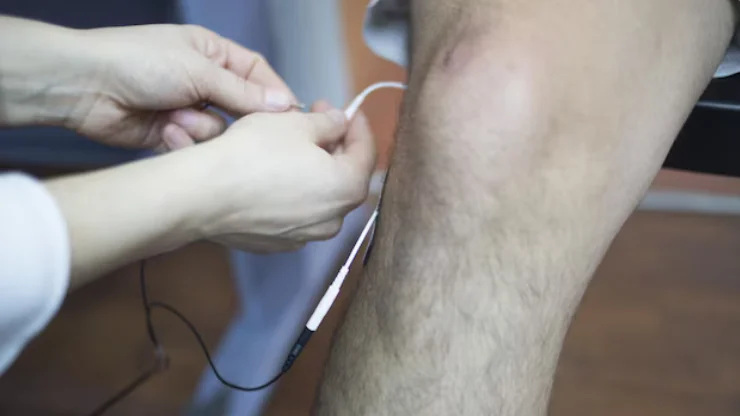
Shoes that feel comfortable in the morning may become noticeably tighter as the day progresses. Sock marks can appear deeper around the ankles, while the legs and feet may feel heavy after prolonged standing, with foot swelling sometimes becoming more noticeable by evening. Relief often comes only after elevating the feet. Because these changes usually develop gradually, they are commonly dismissed as normal tiredness rather than recognised as possible signs of an underlying circulation concern.
Persistent swelling should be assessed rather than attributed solely to a busy schedule or time spent on the feet. As discussed in the related guide on ankle swelling, several conditions can contribute to ankle and foot swelling symptoms. Chronic venous insufficiency is one possible cause, but identifying the underlying reason requires proper clinical evaluation rather than relying on symptoms alone.
What Early Venous Insufficiency Symptoms Feel Like
Chronic venous insufficiency develops when weakened vein valves allow blood to collect in the lower legs, increasing pressure within the veins and surrounding tissues.
Symptoms usually appear gradually. Patients may experience tired calves, aching, tingling, burning sensations, or nighttime cramping after spending extended periods on their feet. Some describe the feeling as restlessness or discomfort rather than clear pain.
Common early signs include:
- Heaviness that becomes worse later in the day
- Aching around the calf or ankle
- Mild swelling above the shoe line
- Itching near visible veins
- Cramping after prolonged standing
- Improvement with walking or leg elevation
Symptoms vary between individuals and may gradually become more noticeable when the underlying cause remains untreated.
The Early Warning Signs Hidden in Daily Routine
Early venous disease often appears as a minor inconvenience rather than an obvious medical concern. A patient may notice one shoe becoming tighter than the other, sock marks remaining visible later into the evening, or changes in the ankle shape by the end of the day. These signs are often attributed to heat, ageing, or long hours spent standing rather than changes in circulation.
Visible veins may appear before discomfort becomes more noticeable. Small surface veins can develop around the ankle, while larger veins may become raised or twisted. Varicose veins alone do not always indicate advanced disease, but swelling or skin changes occurring alongside them should be assessed.
Itching is another symptom that is commonly overlooked. Dry skin around the lower calf may initially appear to be a simple skin concern. However, when itching repeatedly occurs alongside swelling, increased venous pressure may be contributing.
Why Venous Symptoms Often Worsen Throughout the Day
Venous symptoms often follow patterns influenced by gravity. Long periods standing behind a counter, commuting, or sitting at a desk allow blood to gradually collect in the lower legs. Walking activates the calf muscles, which help move blood back toward the heart, while elevating the legs during rest can reduce venous pressure and swelling.
|
Patient observation |
Clinical interpretation |
| Legs feel normal upon waking | Overnight rest reduces lower leg pressure |
| Ankles swell by late afternoon | Fluid has accumulated throughout the day |
| Heaviness follows prolonged standing | Veins are working against gravitational pressure |
| Discomfort improves with elevation | Venous pressure may contribute |
| Swelling continues despite rest | Another or additional cause requires evaluation |
This daily pattern can provide valuable information during a clinical appointment, although it cannot confirm a diagnosis independently. Cardiac, renal, lymphatic, and medication-related factors may also contribute to lower extremity swelling and should be considered during assessment.
What Causes Chronic Venous Insufficiency?
Venous insufficiency most commonly develops due to weakened vein valves, which may deteriorate gradually or become damaged after a deep vein thrombosis. Previous leg injuries, surgery, or inflammation can also affect normal blood return.
Risk factors include family history, pregnancy, excess body weight, and occupations involving prolonged sitting or standing. Reduced movement can limit the effectiveness of the calf muscle pump. These factors do not guarantee venous disease, but they help explain why individuals with similar routines may experience very different symptoms.
A history of deep vein thrombosis is especially important, as damage from a previous clot can remain even after the acute episode has resolved. This may later contribute to ongoing swelling, discomfort, and skin changes.
Why Chronic Vein Problems Can Damage the Skin
Skin changes often reflect prolonged pressure within the veins. Brown or reddish discoloration may develop around the ankle, along with dryness, itching, or thickened skin. Leg darkening and changes in skin colour can indicate underlying circulation concerns, which is why these signs should not be viewed as a cosmetic issue alone.
More advanced venous disease may lead to an open ulcer, commonly appearing near the ankle, which can drain, reopen after healing, or take longer to close. Persistent wounds require proper evaluation because topical treatments alone may not address the underlying circulation issue. Wound Care Treatment may include vascular testing, wound assessment, and management focused on both the circulation problem and the resulting skin damage.
Which Symptoms Need Faster Care?
Chronic venous insufficiency usually develops gradually, but certain symptoms may indicate a more urgent concern and should not be monitored without medical guidance.
Prompt evaluation is recommended for:
- New swelling affecting only one leg
- Calf pain with warmth or redness
- Rapidly increasing tenderness
- Bleeding from a varicose vein
- Expanding redness around an ulcer
- Fever or foul-smelling wound drainage
Sudden shortness of breath, chest pain, coughing blood, or a rapid irregular heartbeat may indicate a pulmonary embolism and require emergency attention. These symptoms are not typical of chronic venous insufficiency alone.
Choose the Best Varicose Vein Treatment Option for Your Health
Explore your treatment options and get expert advice from our vascular surgeon.
How Doctors Diagnose Chronic Venous Insufficiency
Diagnosis begins with reviewing symptoms, medical history, and a physical examination of the affected leg. The location of swelling, skin condition, pulses, and visible veins all provide important diagnostic information.
Duplex ultrasound is the standard imaging method used to assess vein structure and blood flow direction. It can identify reflux, blockages, or valve problems without requiring an incision, helping distinguish superficial vein disease from deeper venous involvement.
Confirming the underlying cause is essential before treatment decisions are made. Compression therapy can benefit many venous conditions, but it must be recommended carefully when arterial disease, fragile skin, or other circulation concerns are present.
Conclusion
Prime Vascular Care evaluates a wide range of circulation concerns for patients throughout Northern Virginia. When symptoms suggest venous reflux or painful, enlarged veins, Varicose Vein Treatment begins with a clinical evaluation and duplex ultrasound mapping to identify the affected vessels.
The Prime Vascular Care team also assesses persistent swelling, skin changes, and slow-healing wounds. Early evaluation helps establish a clearer diagnosis before daily discomfort progresses into more serious tissue complications.