

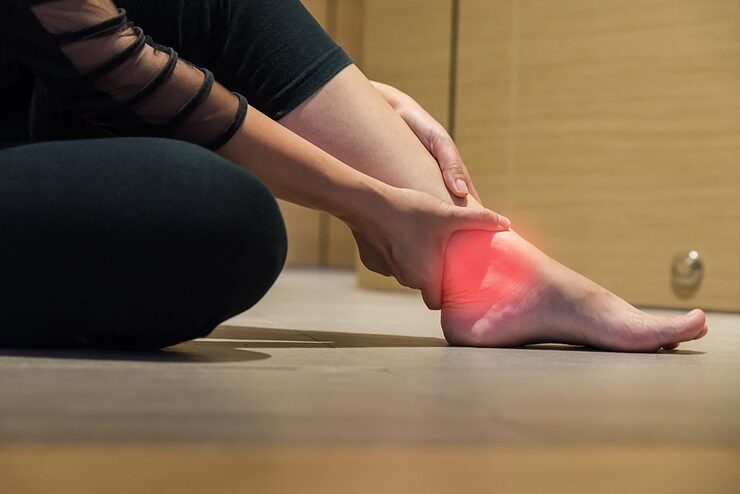
Swollen ankles and feet are one of the most common concerns patients bring to a vascular clinic. The symptom is not always serious, but when it keeps returning, it deserves more than a wait-and-see approach. Knowing what causes it and when it warrants attention makes it easier to act at the right time.
Why Fluid Builds Up in the Lower Legs
The legs are the furthest point from the heart. All day, the body works to push blood back up from the feet and ankles against gravity. The calf muscles play a large role in this. When a person sits or stands without moving for long stretches, those muscles stop helping and fluid begins to settle in the lower legs.
This is why swelling often appears toward the end of the day and improves overnight with rest and elevation. On its own, this is a mechanical issue. But when it becomes frequent or worsens over time, daily posture and vein strain becomes relevant to understand.
What Commonly Causes Swollen Ankles and Feet
Swelling in the lower legs can come from several directions. The pattern, location and any accompanying symptoms help narrow things down.
|
Possible Cause |
What It May Look Like |
|
Extended sitting or standing |
Mild puffiness that eases overnight |
|
High salt intake |
Both feet feel tight or heavy |
|
Medication side effects |
Swelling that started with a new prescription |
|
Vein valve problems |
Heaviness, aching, or visible veins alongside swelling |
|
Injury to the ankle or foot |
Localized swelling in one area |
|
A clot in a deeper vein |
One leg is noticeably more swollen, with pain or warmth |
This is not a diagnostic list. It is a starting point for recognizing patterns worth discussing with a clinician.
When Veins Are the Underlying Issue
Inside leg veins are small one-way valves. Their job is to keep blood moving upward toward the heart and stop it from falling back down. When these valves weaken over time, blood begins to pool in the lower legs rather than returning efficiently.
The result is a recurring pattern of swelling, heaviness, aching, or skin changes around the ankles. Symptoms tend to worsen after prolonged standing and ease when the legs are elevated. This is a circulation problem, not just normal end-of-day fatigue and it tends to progress if left unaddressed. When the veins are the source, the swelling alone rarely tells the full story, which is why getting clarity through varicose vein treatment evaluation matters before the situation develops further.
Symptoms That Need Prompt Attention
Most swelling is gradual and relates to daily habits or circulation. Some presentations point to something more serious that should not be monitored at home.
Seek medical attention promptly if swelling is accompanied by any of the following:
- Chest pain or sudden difficulty breathing
- One leg noticeably more swollen than the other, with pain or warmth
- Redness or tenderness along the inner leg
- Skin that appears pale, blue, or blotchy
- Sudden dizziness or weakness alongside leg swelling
One-sided swelling with calf pain or warmth can indicate a clot forming in a deeper vein. Unlike surface swelling, a clot in a deep vein carries the risk of traveling to the lungs if not caught early. The window for deep vein thrombosis treatment is narrow, which is why this particular symptom combination should never be waited out at home.
Choose the Best Peripheral Arterial Disease Treatment for Your Health
Explore your treatment options and get expert advice from our vascular surgeon.
Steps That Can Help With Mild Swelling
When swelling is mild and tied to daily habits, simple adjustments can make a meaningful difference. These are general measures and not a substitute for evaluation when symptoms are persistent, one-sided, or painful.
- Take short walking breaks during long periods of sitting or standing
- Elevate the legs above heart level when resting
- Reduce salt intake, which contributes to fluid retention
- Wear properly fitted, supportive footwear
- Ask a clinician whether compression stockings help in the situation
Compression is not appropriate for everyone. Patients with arterial circulation problems, diabetes, or open skin wounds should confirm with a clinician before using it.
How a Vascular Specialist Evaluates Leg Swelling
When swelling keeps returning or does not fit a simple explanation, a vascular evaluation looks beyond the surface at what is happening inside the veins and arteries.
The assessment typically includes a review of symptoms and medical history, a physical examination and in many cases an ultrasound of the leg veins. Ultrasound allows the specialist to see how blood is moving, whether valves are working properly and whether any clots are present.
This matters because swelling from tired legs after a long day requires a completely different approach from swelling caused by vein valve failure or a clot. Getting to the right cause is what determines the right path forward.
When to Seek a Vascular Evaluation
Swelling that comes and goes with rest is often manageable. Swelling that keeps returning, affects one leg more than the other, or appears alongside pain, skin changes, or sudden onset warrants a proper assessment rather than continued self-monitoring.
For patients in Northern Virginia, Prime Vascular Care evaluates leg swelling with a vascular-focused approach, identifies what is driving the symptoms and guides next steps based on what is actually happening inside the legs.