

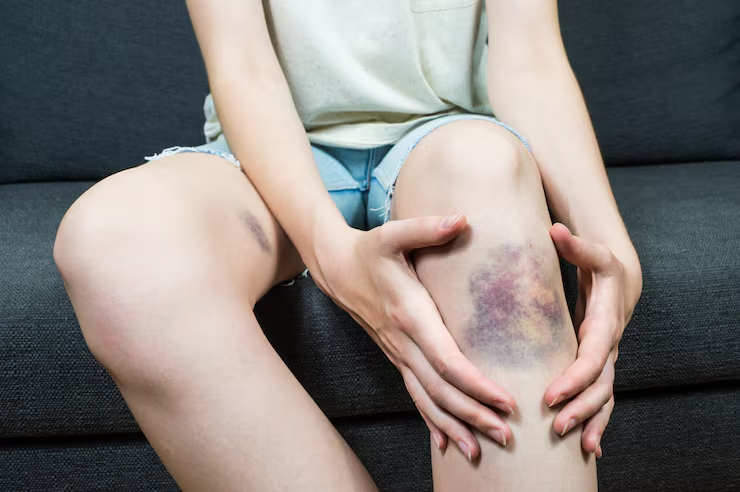
Vein problems rarely announce themselves with a single dramatic moment. They tend to build quietly through daily routines, long hours at a desk, an entire shift on your feet, skipping short walks and brushing off ankle puffiness at the end of the day. By the time the pattern becomes obvious, the legs have been working against their own circulation for months or longer.
The tricky part is that veins send small signals first. Heaviness. Some swelling. A vein that looks more pronounced than it used to. Most people file those things away and move on. That gap between noticing and acting is where vein problems tend to deepen.
What Habits Make Veins Work Harder?
Leg veins have a demanding job. They move blood upward against gravity, back toward the heart. The calf muscles assist that process every time they contract during movement. Long periods of stillness make that job significantly harder.
The most widespread habit is holding the same position for too long. Hours at a desk slow circulation through the lower legs. Standing in place for an entire shift increases pressure in the same vessels that are already fighting gravity. Neither pattern is harmless when it defines most of the day.
Smaller habits can compound the problem as well:
- Sitting with legs crossed for extended periods
- Skipping short walks or movement breaks during work hours
- Wearing clothing that fits tightly around the waist or thighs
- Ignoring ankle swelling that appears regularly toward evening
- Smoking or using tobacco products
- Delaying care for visible veins or skin changes that are getting worse
No single habit guarantees vein disease will develop. But the legs often need better daily support before symptoms have a chance to take hold.
Why Do Vein Symptoms Get Overlooked?
Vein symptoms tend to feel too ordinary to act on. Heavy legs after a long day. Ankles that swell by evening. A surface vein that looks more visible in warm weather. Mild itching near the lower leg. Because these symptoms often ease overnight and return the following evening, many people assume they are simply part of a busy life. That delay is where the problem grows.
Vein symptoms can include aching, swelling, throbbing, a burning sensation, visible twisted or rope-like veins, skin darkening near the ankles, leg cramps at night, or sores that are slow to close. One symptom on its own may not point clearly to a problem, but a pattern that keeps repeating deserves a closer look.
|
Daily Sign |
What It May Suggest |
| Heavy legs by evening | Blood may be pooling in the lower leg |
| Swollen ankles | Vein pressure may be building |
| Bulging surface veins | Valves may no longer be closing properly |
| Skin darkening near the ankle | Long-term vein strain may be present |
| A sore that is slow to heal | Circulation warrants review |
Which Habits Should Change First?
A person who sits through most of the workday can stand, stretch and walk briefly every hour. A person who stands through long shifts can shift weight regularly, raise and lower the heels, and sit when breaks allow. These small resets give the calf muscles a chance to push blood upward before it has time to pool.
Compression stockings can also help, particularly during long workdays, extended travel, or periods of repeated swelling. They need to fit well to be effective, though. The right pressure and proper fit matter more than simply wearing them.
Beyond movement, hydration, weight management and quitting smoking can reduce some of the daily strain placed on the vascular system. These are not dramatic changes, but they lower the background pressure that veins deal with hour after hour.
Choose the Best Varicose Vein Treatment for Your Health
Explore your treatment options and get expert advice from our vascular surgeon.
When Are Vein Symptoms More Serious?
Mild heaviness or occasional swelling may be manageable with habit changes. But certain symptoms call for medical attention rather than continued monitoring at home.
Seek care sooner rather than later when symptoms include:
- One leg swelling noticeably more than the other
- Sudden warmth, tenderness, or pain concentrated in one calf
- Skin near the ankle becoming darker, thicker, or irritated
- A wound or sore that is not healing as expected
- Bleeding from a visible surface vein
- Leg pain that returns repeatedly without a clear explanation
For patients dealing with visible painful veins, recurring swelling, or persistent leg heaviness, varicose vein treatment may be considered after a proper evaluation. When clot-related symptoms are suspected, deep vein thrombosis treatment addresses a more urgent category of vein concern that requires a different approach.
Why Does Seeing a Specialist Make a Difference?
A vein problem cannot always be assessed by how a leg looks on the surface. Some patients have large, visible veins with minimal symptoms. Others have deeper valve failure or elevated clot risk with very little visible evidence on the skin.
A specialist can use an ultrasound to see how blood is actually moving through the veins. This shows whether valves are functioning, blood is pooling, or another issue is responsible for the swelling and discomfort. It also helps separate vein disease from muscle strain, joint problems, or other circulation concerns that can look similar from the outside. Guessing at the cause often delays the right care.
Bottom Line
Avoiding progressive vein problems does not require changing everything at once. It starts with recognizing the habits that keep the legs still, swollen, or under sustained pressure for too long.
More movement throughout the day, better rest and break patterns, consistent symptom tracking, and earlier evaluation can keep manageable issues from becoming more complex ones. Prime Vascular Care helps patients work through leg swelling, heaviness, visible veins, and related concerns with focused vascular care. For those who want a local team to review symptoms clearly and without guesswork, we can help make the next step easier to take.