

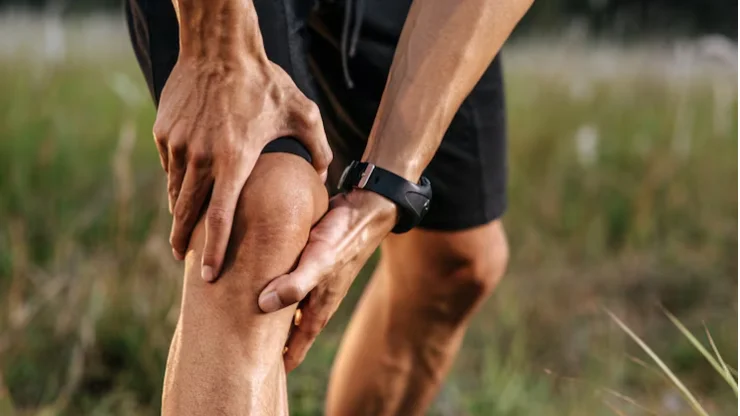
An aching vein beside or behind the knee can make everyday movement uncomfortable. The area may throb after prolonged standing, feel tender when clothing presses against it, or become noticeably heavier by evening. Because the discomfort sits so close to the joint, many people assume the knee itself is responsible.
Concerns about varicose veins around the knee often arise when this pattern continues to return. Prolonged sitting or standing can increase pressure within already strained veins, but persistent knee-area pain still requires assessment because vein disease, joint conditions and blood clots can cause similar symptoms.
What Causes Varicose Veins Around the Knee?
Leg veins carry blood back toward the heart. Small valves inside them prevent blood from flowing backward. When the valves weaken, blood begins to collect below them, pressure rises and a surface vein may stretch until it appears raised, twisted, or rope-like. The knee does not cause varicose veins simply because it bends. Several superficial vein branches pass through this area, so abnormal blood flow higher or lower in the leg may become visible near the joint. A varicose vein around the knee may appear along the side, across the front, or behind the knee itself.
Risk increases with age, family history, pregnancy, excess weight, previous leg clots and occupations that involve remaining still for extended periods. These factors do not guarantee vein disease, but increase the likelihood of valve failure and blood pooling.
Why Knee-Area Varicose Veins Become Painful
Painful varicose veins near the knee often cause aching, burning, throbbing, or a pulling sensation around a visible vein. Discomfort may build throughout the day after prolonged standing, then ease after a short walk or when the leg is elevated. Pain can result from pressure inside the vein and swelling in surrounding tissue. Inflammation near the surface may cause the vein to feel firm or tender. Tight clothing around the knee can add irritation, although it is not the underlying cause.
Varicose veins around the knee may also lead to itching, heaviness, or night cramps. Symptoms alone cannot reveal the extent of venous reflux. A small visible branch may connect to a larger faulty vein that is not visible at the surface.
Is It Vein Pain or a Knee Problem?
Knee pain has several possible causes. Arthritis, tendon strain, a Baker’s cyst and muscle injury can all affect the same region as an enlarged vein. Symptom timing and surrounding signs may provide clues, but they cannot replace examination.
| Pattern Noticed | What It May Point Toward |
| Ache worsens after standing | Venous pressure may be contributing |
| Raised blue or purple vein | A surface varicose vein may be present |
| Pain mainly with bending or stairs | A joint or tendon problem may be involved |
| Sudden one-sided swelling and warmth | A clot requires prompt medical assessment |
| Tender cord beneath red skin | Surface vein inflammation may be present |
A visible vein does not prove that every knee symptom is caused by circulation and the reverse is also true. A knee that appears normal externally may still have deeper venous reflux underneath.
When to Seek Urgent Care for Vein Symptoms
Most varicose vein symptoms develop gradually, so sudden changes deserve more caution. Prompt medical attention is needed for:
- New swelling in one leg
- Warmth, redness, or marked tenderness
- Rapidly worsening pain
- A hard, painful cord beneath the skin
- Bleeding from a surface vein
- Skin breakdown or a sore that does not heal
Chest pain, sudden shortness of breath, coughing up blood, or fainting requires emergency care since these symptoms may occur when a clot reaches the lungs. Deep vein thrombosis can also develop without obvious symptoms, so a new one-sided pattern should never be managed through guesswork.
Choose the Best Varicose Vein Treatment Option for Your Health
Explore your treatment options and get expert advice from our vascular surgeon.
How Can Varicose Vein Discomfort Be Managed?
Mild symptoms may improve when the calf muscles are activated regularly and the legs spend less time under steady downward pressure. Helpful measures may include:
- Taking short walking breaks during long workdays
- Avoiding prolonged periods in one seated or standing position
- Elevating the legs while resting
- Maintaining a weight that reduces pressure on the legs
- Wearing supportive footwear
- Using compression only after the correct fit and pressure level are confirmed
Compression stocking length matters more than expected. A knee-high garment may not support a vein that extends above the knee, while rolling a stocking at the joint can create a tight band that does more harm than good. Anyone with arterial disease or certain other conditions should consult a clinician before starting compression.
How Does a Specialist Assess the Veins?
An aching vein beside or behind the knee can make a day uncomfortable. The area may throb after prolonged standing, feel tender when clothing presses against it, or feel heavier by evening. Because the discomfort sits close to the joint, people assume the knee itself is responsible.
A search for “varicose veins around the knee” often begins when this pattern keeps returning. Prolonged sitting or standing can increase pressure in strained veins, while symptoms still need assessment because vein disease, joint problems, blood clots and skin changes requiring wound care treatment can present with overlapping signs.
Treatment Options for Varicose Veins Around the Knee
Treatment depends on the symptoms, ultrasound findings and the size and path of the affected vein. Some people begin with movement, elevation and correctly fitted compression. Persistent pain, swelling, or skin changes may lead to a procedure. Options may include sclerotherapy for selected veins, endovenous treatment that closes a faulty vein, or micro phlebectomy for raised surface branches. The right varicose vein treatment should be chosen from scan findings rather than appearance alone, allowing blood to reroute through healthier veins.
Final Thoughts
A recurring ache around the knee should not be dismissed as cosmetic. Earlier evaluation can turn an uncertain symptom into a clear plan and the goal is not to treat every visible vein. It is to identify why the area hurts, address the source and protect long-term circulation.
Prime Vascular Care evaluates leg pain, swelling and visible veins for patients across Northern Virginia. Using vascular examination and duplex ultrasound to distinguish superficial reflux from clot concerns or non-vascular knee pain. Patients looking for a vascular surgeon can receive assessment close to home, with treatment planned around the specific vein involved and the severity of symptoms.