
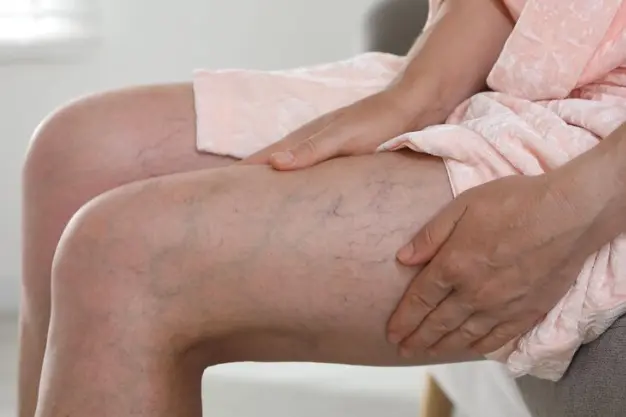
Varicose veinås often appear during ordinary life stages. You might notice a raised vein on your leg, heaviness in your calves by evening, or an ache that shows up after standing all day.
The underlying cause involves weakened vein valves and stretched vein walls. These small valves normally help move blood back toward your heart. When they weaken or the vein wall loses elasticity, blood pools in your legs. This pooling creates pressure that makes veins bulge, twist and become visible under your skin.
Research shows that women develop varicose veins at approximately twice the rate of men. This disparity comes from hormonal factors, pregnancy and other biological differences that affect vein health throughout a woman’s life.
Are Varicose Veins More Common in Women?
Yes. Studies estimate that up to 55% of women will develop varicose veins at some point in their lives, compared to about 45% of men. The higher prevalence in women relates to:
- Hormonal fluctuations affecting vein wall strength
- Pregnancy increasing blood volume and pelvic pressure
- Prolonged exposure to estrogen and progesterone over decades
- Multiple pregnancies compounding vein stress
The difference is not only biological. Many women spend years in occupations requiring prolonged standing, managing caregiving responsibilities and experiencing hormonal transitions that affect vein function. Symptoms may develop gradually over months before bulging veins become visible.
What Causes Varicose Veins in Women?
Varicose veins in women typically develop from multiple overlapping factors rather than a single cause.
| Cause | How It Affects Veins |
| Hormone changes | Relaxes vein walls, reduces valve efficiency |
| Pregnancy | Increases blood volume and pelvic pressure on leg veins |
| Family history | Genetic predisposition to weak vein valves |
| Aging | Natural wear on vein valves over time |
| Prolonged standing or sitting | Slows circulation, increases leg pressure |
| Excess body weight | Adds pressure to leg veins |
Women often have two or three of these risk factors simultaneously. This combination accelerates vein valve dysfunction and makes symptoms more likely to progress.
How Do Hormones Affect Vein Health in Women?
Female hormones, particularly estrogen and progesterone, influence vein wall elasticity and valve function. These hormones can relax smooth muscle tissue in vein walls, making them more prone to stretching under pressure.
Progesterone’s specific impact: Progesterone causes the most significant vein changes. It relaxes both vein walls and the valves inside veins. When vein walls relax, the tiny one-way valves may not close as tightly as they should. Blood then struggles to move upward against gravity. Some blood flows backward, creating pooling, pressure and visible vein changes.
Hormone-related stages that affect vein health:
Monthly menstrual cycles: Progesterone levels rise mid-cycle, temporarily relaxing vein walls. While this increase lasts only days, repeated monthly cycles can have cumulative effects on vein valve function over years.
Birth control pills: Hormonal contraceptives containing estrogen and progesterone can increase varicose vein risk by affecting blood flow and vein wall strength. The combination and dosage influence the degree of risk.
Pregnancy and postpartum periods: Progesterone levels increase dramatically during pregnancy, compounding the effects of increased blood volume and uterine pressure.
Menopause: When estrogen levels drop suddenly during menopause, veins that have adapted to specific hormone levels for decades experience rapid changes in vein wall structure.
Hormone replacement therapy: HRT used to manage menopausal symptoms can affect vein health similarly to birth control pills.
Hormones do not cause varicose veins alone, but they can accelerate vein problems in women with existing valve weakness or genetic predisposition. This hormonal influence explains why women develop varicose veins at rates 2-3 times higher than men.
Choose the Best Varicose Vein Treatment for Your Health
Explore your treatment options and get expert advice from our vascular surgeon.
Why Does Pregnancy Trigger Varicose Veins?
Pregnancy is one of the most common times women first notice varicose veins. Several pregnancy-related changes stress the venous system:
Increased blood volume: Your body produces 40-50% more blood during pregnancy to support fetal development. This additional volume increases pressure throughout your venous system.
Uterine pressure: The growing uterus presses on the inferior vena cava and pelvic veins, restricting blood return from your legs.
Hormonal effects: Pregnancy hormones relax vein walls to accommodate increased blood flow, but this relaxation can weaken valve function.
Revised: Some pregnancy-related veins improve within three to twelve months after delivery. Others persist, especially after multiple pregnancies or when family history indicates genetic vein weakness. Understanding varicose veins during pregnancy early can help manage progression before subsequent pregnancies compound the problem.
What Symptoms Indicate Varicose Veins Need Medical Attention?
Not all varicose veins require immediate treatment, but certain symptoms signal that evaluation is appropriate.
Symptoms that warrant vascular assessment:
- Heavy or tired legs consistently by day’s end
- Aching that worsens after prolonged standing
- Itching around visible veins
- Swelling near the ankles that does not resolve overnight
- Skin darkening or texture changes on lower legs
- Veins that feel painful, warm, or tender to touch
- Bleeding from a varicose vein
A visible vein without discomfort may not need urgent care. Veins accompanied by pain, skin changes, or persistent swelling indicate underlying circulation problems that can progress without treatment. Many women wait longer than necessary because of common vein disease myths that make symptoms seem less serious than they are.
How Varicose Veins Are Diagnosed and Treated
A vascular specialist evaluates more than just visible vein appearance. Assessment focuses on understanding why pressure is building in your venous system.
Diagnostic approach:
Duplex ultrasound imaging shows how blood moves through your veins, identifies leaking valves and locates the source vein feeding visible bulges. This imaging is critical because treating surface veins without addressing the underlying valve dysfunction often leaves symptoms unchanged.
Treatment options:
Modern varicose vein treatment uses minimally invasive techniques performed in outpatient settings:
- Endovenous laser or radiofrequency ablation (closes problem veins using heat)
- Sclerotherapy (chemical injection to close smaller veins)
- Ambulatory phlebectomy (removes surface veins through tiny incisions)
These procedures typically use local anesthesia and require minimal recovery time. Treatment addresses the malfunctioning vein causing symptoms rather than only improving cosmetic appearance.
For women with additional circulation concerns, skin changes, or non-healing wounds near varicose veins, comprehensive wound care treatment may be needed alongside vein treatment.
Can Women Prevent Varicose Veins?
Complete prevention is not always possible when hormones, pregnancy, or genetics are involved. However, specific habits can reduce leg vein pressure and may slow progression.
Daily habits that support vein health:
Stay active: Walking activates calf muscles that pump blood upward from your legs. Regular movement throughout the day helps prevent blood pooling.
Avoid prolonged stillness: Whether sitting or standing, staying in one position for hours slows circulation. Take movement breaks every 30-60 minutes.
Elevate your legs: Raising your legs above heart level when resting helps blood return to your heart more easily.
Maintain healthy weight: Excess body weight increases pressure on leg veins and can worsen existing vein problems.
Use compression when appropriate: Graduated compression stockings can support circulation, but proper fit and compression level matter. Consult a vascular specialist before starting compression therapy.
Address symptoms early: Getting evaluation before skin changes appear provides more treatment options and better outcomes.
When to Seek Vascular Evaluation
You do not need to wait for severe symptoms before seeking assessment. Early evaluation identifies vein problems while less invasive treatment options remain effective.
Consider vascular consultation if you experience:
- Recurring leg heaviness or fatigue
- Visible veins accompanied by aching
- Swelling that persists despite leg elevation
- Skin discoloration on lower legs
- Veins that feel tender or warm
- Family history of vein disease combined with early symptoms
Women develop varicose veins for reasons largely beyond their control. Hormonal changes, pregnancy, genetics and aging all contribute to vein valve dysfunction. Understanding these factors helps you recognize when symptoms need medical attention rather than assuming veins are only a cosmetic concern.
For women in Northern Virginia experiencing vein-related symptoms, Prime Vascular Care provides comprehensive vascular evaluation and treatment. Early assessment can identify circulation problems while simpler interventions are still effective.