

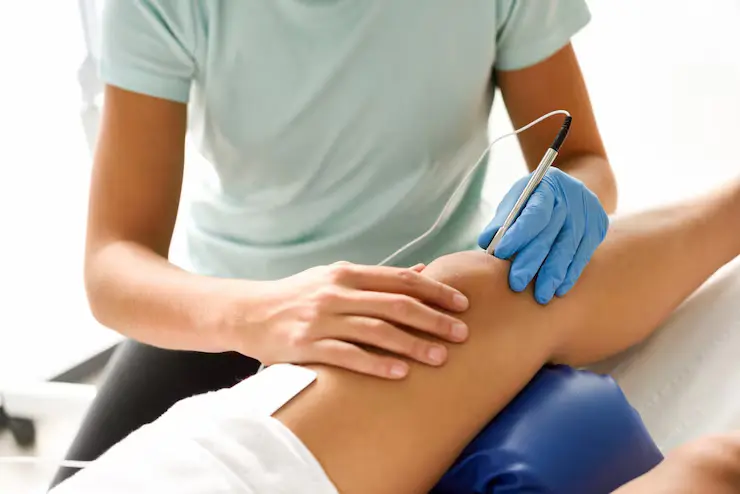
Sclerotherapy recovery is generally straightforward, but the first few days still require attention. The treated veins are closing, the skin may feel tender and the legs are adjusting to changed circulation. Small missteps during this window can extend bruising, worsen swelling, or leave skin marks that take longer to resolve.
This guide covers the aftercare restrictions that matter most and the symptoms that should prompt a call to the care team.
Why Aftercare Is Easy to Get Wrong
Most patients leave the office and return to light daily activity the same day. That ease is part of what makes aftercare mistakes so common.
No downtime does not mean no restrictions. The treated veins still need time to seal properly. Heat, physical strain, or added pressure applied too soon can work against the outcome, sometimes extending recovery or affecting how the final result looks.
Patients still weighing the procedure can review candidacy and treatment basics before going further.
What to Avoid in the First 48 Hours
The initial window sets the tone for how healing progresses. Compression stockings prescribed by the vascular specialist should be worn as directed throughout this period.
|
Avoid |
Reason |
| Hot baths or saunas | Heat causes veins to dilate and increases swelling |
| Strenuous exercise | Adds pressure in the legs while veins are closing |
| Prolonged sitting or standing | Slows healthy circulation in the lower legs |
| Direct sun exposure | Treated skin pigments more easily when irritated |
| Rubbing or scratching the area | Worsens tenderness and local inflammation |
Gentle walking is not the same as exercise. A short walk supports circulation. A hard lower-body workout does not.
Exercise, Heat and Sun Exposure
Exercise
Light walking is generally encouraged soon after treatment. Running, heavy lifting, intense cycling and demanding lower-body workouts increase venous pressure while treated veins are still closing. Patients with physically demanding jobs should confirm with their specialist when heavier activity is safe to resume.
Heat
Hot tubs, saunas, steam rooms and very hot baths cause veins to expand, which is the opposite of what the treatment is supporting. Heating pads should also be avoided unless specifically approved by the care team. Mild soreness may feel like it calls for warmth, but heat can intensify swelling and make surface marks more visible during early recovery.
Sun Exposure
Treated skin is more reactive than usual. Direct sun can deepen temporary pigmentation, particularly when the area is still inflamed. Reasonable precautions include:
- Covering treated areas when outdoors
- Applying sunscreen over exposed skin
- Avoiding tanning beds
- Skipping scrubs or active ingredients like retinol near injection sites
Compression Stockings
Compression instructions vary by patient and by which veins were treated. Some patients wear stockings for a few days. Others continue longer.
Removing them earlier than advised is one of the more common recovery mistakes. Compression supports circulation and limits swelling during early healing. A common question is whether compression stockings actually help with vein recovery and the short answer is yes, but only when worn correctly and for the full recommended duration. Stockings should never be rolled down tightly at the top, as this creates localized pressure in the wrong location and restricts blood flow rather than supporting it.
Which Symptoms Are Normal and Which Are Not
Some bruising, itching, firmness and mild tenderness is expected and typically improves over days to weeks.
Contact the care team if any of the following develop or worsen:
- Severe or increasing pain in the treated leg
- Significant swelling that does not improve
- Spreading redness or warmth around the injection site
- Drainage or open skin at the treated area
- Sudden shortness of breath
New or worsening leg symptoms after any vein procedure should be evaluated promptly. In some cases they can indicate a clot in a deeper vessel and DVT treatment may be needed before it progresses. Patients who continue experiencing visible veins, heaviness, or aching after recovery may have deeper involvement that varicose vein treatment can help assess.
Choose the Best Varicose Vein Treatment for Your Health
Explore your treatment options and get expert advice from our vascular surgeon.
What Steady Recovery Looks Like
Recovery after sclerotherapy is not dramatic. Walk regularly, avoid heat, protect the skin, wear compression as instructed and give the treated veins time to fade. Results can take several weeks to fully appear and some veins require more than one session.
Keeping follow-up appointments matters as much as the restrictions. A vascular specialist can confirm whether healing is on track, whether additional treatment is needed and whether any new symptoms are worth investigating.
For patients in Northern Virginia with questions about recovery or follow-up care, Prime Vascular Care provides evaluation and guidance tailored to each patient’s history and presentation.