

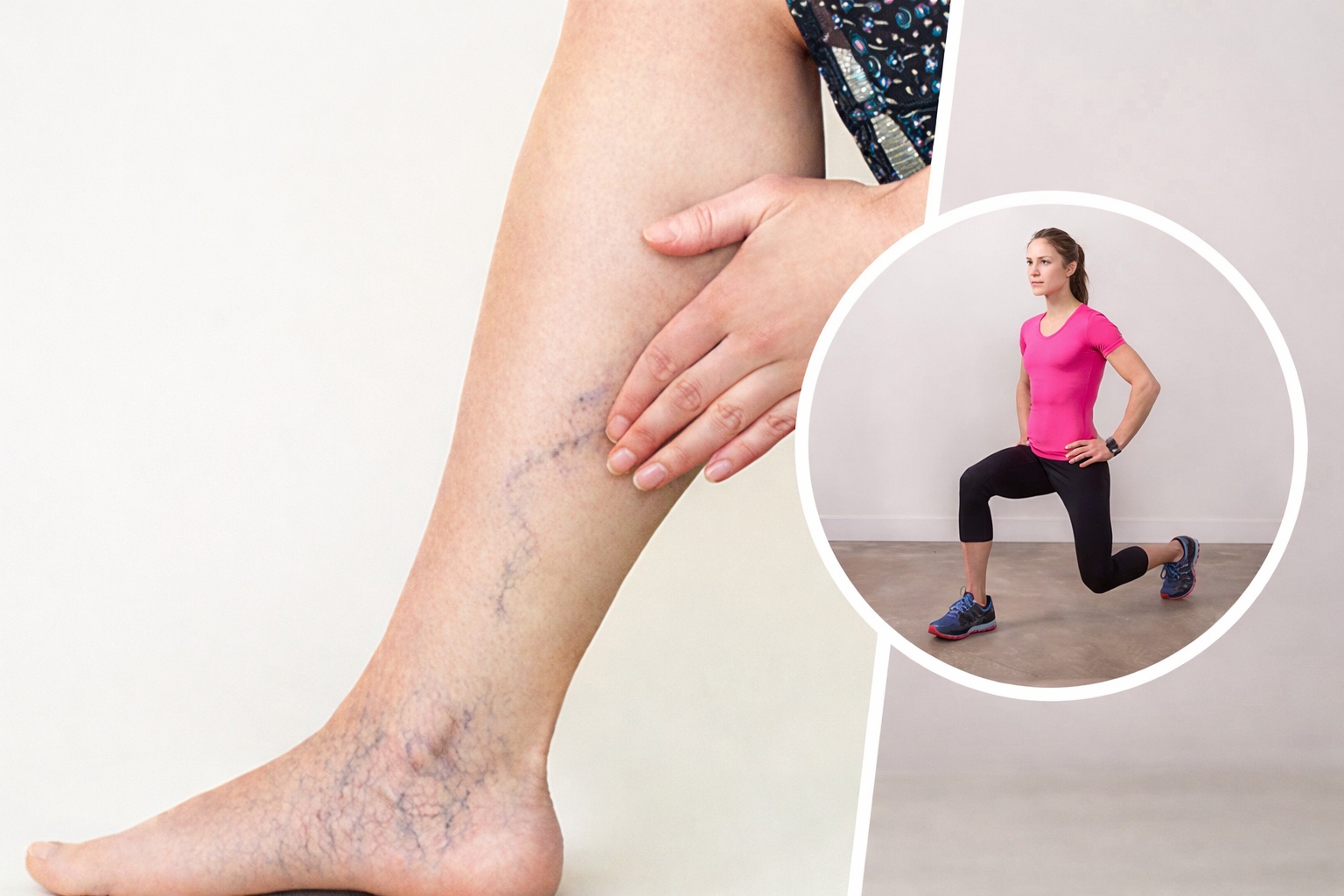
Noticing bulging blue veins on your legs during pregnancy can be concerning, but you’re not alone. Varicose veins during pregnancy affect nearly 40% of expectant mothers, making them one of the most common pregnancy-related changes. These swollen, twisted veins typically appear on your legs as your body works harder to support your growing baby.
Here’s the reassuring part: most of them get better or go away completely within a year after you have your baby. What matters is knowing why they happen and what you can do about them now.
This guide gives you straightforward ways to keep your legs feeling better through your pregnancy.
Why Varicose Veins Occur During Pregnancy
Varicose veins during pregnancy happen for three main reasons that all tie back to your changing body.
Hormonal Changes
Pregnancy makes your body produce more progesterone. This hormone makes your blood vessel walls looser and stretchier. When the walls are relaxed like this, blood moves slower and can collect in your leg veins.
Increased Blood Volume
Your body creates 40-50% more blood to feed your growing baby. All this extra blood puts more pressure on your veins, especially in your legs. When veins can’t handle the pressure, they swell and bulge. Varicose vein treatment helps when this pressure makes your veins painful or bothersome.
Growing Baby Presses on Veins
Your uterus gets bigger as your baby grows. It presses down on a big vein called the inferior vena cava that sends blood from your legs back to your heart. When that vein is squished, blood has trouble getting back up from your legs. Mayo Clinic research shows this pressure gets worse from month five to nine, which is why varicose veins often show up or get worse then.
Common Symptoms of Varicose Veins During Pregnancy
Catching them early means you can do something before they get worse.
Here’s what to watch for:
- Blue or purple veins that stick out on your legs
- Your legs feel tired and heavy after you’ve been standing
- Your ankles and feet swell up
- Your legs cramp or throb
- The skin around the veins itches
- Skin near the veins looks darker
A 2023 study in the Journal of Vascular Surgery found that women who implement preventive measures early experience 60% less worsening of varicose veins during pregnancy than those who wait.
How to Prevent Varicose Veins During Pregnancy
You need to build some daily habits that help your blood flow better. Varicose vein prevention starts with simple lifestyle changes that you can stick with throughout your pregnancy.
Wear Compression Stockings Daily
Compression stockings for varicose veins work by squeezing your legs in a way that pushes blood back up to your heart. Put them on as soon as you wake up, before your legs start swelling. Get the medical-grade kind with 15-20 mmHg compression. Ask your doctor which ones are right for you.
Stay Active with Safe Exercise
Walk for 20-30 minutes every day. It keeps your blood moving. Swimming works even better because the water pressure helps circulation while you’re not carrying all your weight on your legs. The American Pregnancy Association says gentle pregnancy yoga and calf stretches work well too.
Elevate Your Legs Properly
Get your legs up higher than your heart for 10-15 minutes, three or four times a day. Stack some pillows under them when you’re lying down. Sleep on your left side—it takes pressure off that big vein. Don’t cross your legs when you sit. It blocks blood flow.
Change Positions Often
Move around every 30 minutes. Don’t just sit or stand in one spot. If your job keeps you in one place, take breaks to walk and flex your calf muscles. That pumping motion helps blood get back up your legs. Try to keep your pregnancy weight gain in a healthy range too. Extra weight means extra pressure on your veins.
When to Seek Medical Help for Varicose Veins During Pregnancy
Varicose veins usually aren’t dangerous, but sometimes you need to get checked out fast.
Call your doctor if you have:
- Bad pain in your leg with warmth or redness this might be a blood clot
- A varicose vein that’s bleeding
- Sores or wounds near the swollen veins
- One leg that swells up fast and stays swollen even when you prop it up
- Hard or red skin around the veins
Getting checked by a doctor rules out serious problems like blood clots, which happen in 1-2 out of every 1,000 pregnancies based on 2024 medical data. Quick action keeps you and your baby safe.
Postpartum Varicose Veins: What to Expect After Pregnancy
Most women see their varicose veins get better or disappear within three to twelve months after delivery. Once your hormones go back to normal and your uterus isn’t pressing on that vein anymore, blood flows right again and your veins start healing.
If They Don’t Go Away
Some women still have varicose veins after giving birth. This happens more if they showed up early in your pregnancy or if they run in your family. After you deliver, you can try treatments like sclerotherapy and laser procedures that aren’t safe while you’re pregnant.
After your baby comes:
- Keep wearing those compression stockings for three to six months
- Keep walking and exercising
- See a vein specialist if things haven’t improved after a year
Conclusion
Varicose veins during pregnancy get better when you take care of them. Compression stockings, regular walking, lifting your legs, and moving throughout the day make a real difference. These veins are common but don’t have to be painful when you stay on top of them. Watch for symptoms, stick to these habits every day, and talk to your doctor if you’re worried.
If you’re experiencing varicose veins during pregnancy, contact our specialists at Prime Vascular Care for safe and effective treatment options designed for expectant mothers.