

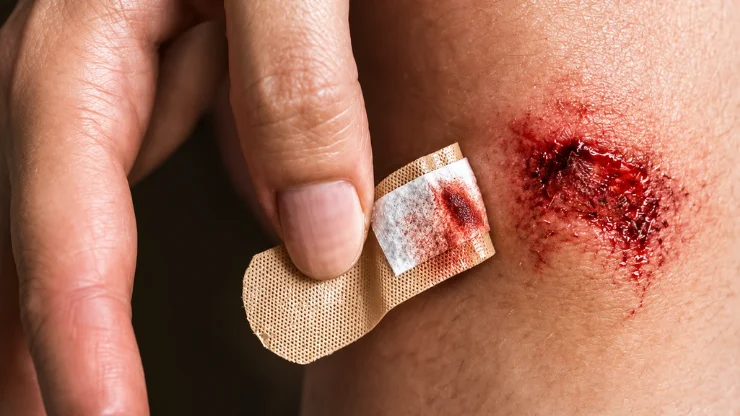
A wound may appear closed on the surface while the underlying tissue is still undergoing repair and remains vulnerable to breakdown. Although the skin may look healed and no longer require regular dressing changes, the newly formed tissue may not yet have regained the strength needed to withstand normal pressure, friction, or swelling. If the factors that contributed to the original wound remain unresolved, the same area can deteriorate and reopen.
This differs from a wound that has failed to heal from the beginning. Many patients with chronic wounds are affected by ongoing conditions such as impaired circulation, diabetes, infection, or repeated pressure, which can continue interfering with tissue strength even after visible closure occurs. As a result, a wound may appear healed before the skin is fully capable of protecting itself against everyday stress.
Why Do Healed Wounds Reopen After Closure?
Skin closure is only one stage of the healing process. Newly formed tissue does not immediately regain the strength and protective function of healthy skin, making a recently closed wound more vulnerable to rubbing, moisture and repeated pressure. Research into diabetic foot ulcers has shown that some closed wounds may still have a weaker skin barrier, which explains why a wound can appear healed during an appointment but reopen after walking or increased shoe pressure. In some cases, underlying conditions such as poor circulation or diabetes can cause a wound to take longer to heal, even when the surface appears improved. The original cause of the injury may continue affecting tissue recovery after visible closure has occurred.
Early Signs That a Chronic Wound Is Reopening
Because early warning signs can be subtle, chronic wound reopening may go unnoticed until the problem becomes more advanced. A healed area may initially appear shiny, damp, thickened, or discolored compared with surrounding skin. Patients with neuropathy may experience limited or no pain, allowing pressure-related damage to progress without obvious symptoms.
Daily habits can also change once dressings are removed. Longer walks may resume, normal footwear may be worn again and compression routines may become less consistent, exposing fragile tissue before it has fully adapted.
Factors That Cause Chronic Wounds to Reopen
The causes of chronic wounds reopening often overlap, and the wound location along with the underlying medical condition usually provides important clues about why breakdown occurs.
|
Cause |
Effect after closure |
|
Poor arterial flow |
Tissue receives less oxygen and may break down again |
|
Venous disease |
Ongoing swelling stresses fragile lower-leg skin |
|
Diabetes or neuropathy |
New rubbing or injury may go unnoticed |
|
Repeated pressure |
Footwear or body weight stresses the same spot |
|
Moisture and friction |
Softened skin can crack or split more easily |
A dressing can support wound closure, but it cannot address the underlying issue of a narrowed artery. When blood flow remains limited, newly repaired tissue may struggle to withstand normal activity and remain vulnerable to breakdown. Recurring toe or foot wounds, cool skin, color changes, or leg pain while walking may indicate reduced circulation and should be evaluated for peripheral arterial disease.
Venous disease follows a different pattern. Damaged valves can allow pressure and fluid to build in the lower leg, placing stress on newly healed skin after an ulcer closes. Swelling, skin changes and other chronic venous symptom patterns may indicate ongoing venous pressure that requires assessment. This process is commonly associated with venous insufficiency. Pressure can return before the tissue is ready. Foot wounds may reopen when the original pressure point has not been fully addressed. A patient may return to standard footwear once the surface closes, even though the tissue underneath remains fragile. Calluses, foot structure, reduced sensation and worn footwear can all increase pressure in the same area.
Choose the Best Chronic Wound Care Treatment Option for Your Health
Explore your treatment options and get expert advice from our vascular surgeon.
How to Prevent a Chronic Wound From Reopening
Aftercare should continue beyond the point where a wound appears healed because recovery depends on the wound type and the patient’s underlying health factors. Follow-up measures typically include:
- Inspecting the closed area for cracks, drainage, or changes in color
- Checking footwear for rubbing, seams, or pressure points
- Managing swelling as recommended
- Continuing prescribed compression when appropriate
- Keeping diabetes and other conditions under review
- Attending follow-up appointments even when the skin appears normal
Compression remains particularly important after a venous leg ulcer heals because elevated venous pressure may continue after closure. Research supports continued compression therapy for many patients, although the appropriate method should always be determined by a healthcare professional.
Risks of Leaving a Reopened Wound Untreated
A small opening can develop into a larger wound when pressure, swelling, or poor circulation continues. Once the skin barrier breaks again, bacteria can enter the tissue and increase the risk of complications. The following signs require prompt medical attention:
- Increasing redness, warmth, or swelling
- New drainage or unpleasant odor
- Worsening pain or tenderness
- Dark, pale, or cold surrounding skin
- Fever or feeling generally unwell
- A wound becoming deeper or wider
Severe pain, rapidly spreading redness, fever, or blackened tissue should not be monitored at home. A healthcare professional should assess whether infection or circulation problems require urgent treatment.
When Should You See a Vascular Specialist for a Chronic Wound?
A wound that repeatedly reopens in the same foot or leg requires evaluation beyond surface-level wound care treatment. The focus should be on identifying why the area cannot maintain closure. A vascular assessment may include pulse checks, circulation testing and ultrasound when reduced blood flow is suspected, along with an examination of pressure points, drainage and possible infection concerns.
Repeated reopening does not always indicate vascular disease, but recurring lower-leg and foot wounds make circulation an important factor to assess. Understanding the underlying cause allows clinicians to determine whether additional wound care treatment, pressure management, or vascular intervention may be required.
Conclusion
Effective wound care focuses on addressing why a wound reopened rather than repeatedly closing the surface without identifying the underlying cause. Treatment may involve dressings, pressure management, swelling control, or vascular care and repeated breakdown in the same location requires ongoing evaluation.
For patients in Northern Virginia, Prime Vascular Care evaluates vascular conditions that may interfere with long-term wound healing by assessing circulation, wound condition, pressure factors, diabetes-related risks and infection concerns.