

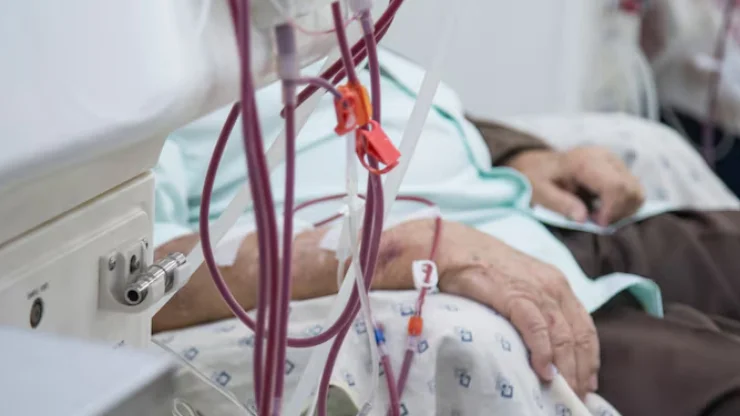
A dialysis fistula or graft is used several times each week, which means the access site is repeatedly exposed to needle punctures and regular handling. While mild irritation after dialysis can happen, certain changes around the access site may indicate an infection that requires medical attention. An infected dialysis fistula can develop when bacteria enter the access area, causing symptoms such as redness, warmth, swelling, pain, or drainage. Because dialysis access connects directly to the bloodstream, identifying problems early can help prevent serious complications and protect the access needed for ongoing treatment.
The type of access also influences infection risk. Understanding the difference between a fistula vs graft can help patients recognize why some access types require closer monitoring than others.
What Are the Signs of Infected Dialysis Fistula or Graft?
The signs of infected dialysis fistula or graft often begin with changes around the skin and access area. Some symptoms may appear mild at first, but they can become more serious if bacteria spread deeper into the tissues or bloodstream.
Common warning signs include:
- Redness that spreads around the fistula or graft
- Increased warmth compared with the surrounding skin
- Swelling that does not improve after dialysis
- New or worsening pain around the access site
- Pus, cloudy drainage, crusting, or an unpleasant odor
- Fever, chills, fatigue, or feeling generally unwell
A dialysis access may feel slightly different after needle removal because of normal irritation. However, symptoms that continue, become worse, or appear together with fever or drainage should be evaluated by a healthcare professional.
Why Does a Dialysis Graft Have a Higher Infection Risk?
Not all dialysis accesses carry the same infection risk. The material used to create the access affects how easily bacteria can attach and how difficult an infection may be to treat.
| Access Type | Relative Infection Risk | Why |
| AV Fistula | Lowest | Uses the patient’s own artery and vein without synthetic material |
| AV Graft | Moderate to higher | Synthetic material can allow bacteria to attach and remain on the graft surface |
| Central Venous Catheter | Highest | Provides a direct pathway through the skin into a major vein |
An arteriovenous fistula generally has the lowest infection risk because it is created using the patient’s own blood vessels. Without synthetic material, bacteria have fewer surfaces where they can attach and grow. An AV graft carries a higher risk because it contains synthetic material. Once bacteria attach to the graft surface, infections can sometimes become more difficult to eliminate completely.
Central venous catheters have the highest infection risk because they create a direct connection between the outside environment and the bloodstream. This is one reason vascular teams often recommend transitioning to a fistula or graft when medically appropriate.
Choose the Best Dialysis Access Maintenance Treatment Option for Your Health
Explore your treatment options and get expert advice from our vascular surgeon.
How to Check a Dialysis Access Site for Early Signs of Infection
A quick daily check can help patients recognize changes before they become more serious. The most useful comparison is often how the access looks and feels compared with its normal condition. Many patients include these checks as part of a regular Dialysis Access Maintenance routine.
During a daily access check, patients should look for:
- Changes in skin color around the access
- Increased warmth or swelling
- New tenderness or worsening discomfort
- Drainage, crusting, or unusual odor
- Changes in the way the access feels compared with normal
- Fever, chills, or unusual tiredness
Knowing what the access normally looks and feels like makes it easier to identify small but important changes.
What Are the Risks of an Untreated Dialysis Access Infection?
An untreated dialysis access infection can become serious because the fistula or graft connects directly with the bloodstream. If bacteria move beyond the access site, the infection can spread and lead to a bloodstream infection requiring urgent treatment.
Infection can also affect the function of the access itself. Inflammation may contribute to clot formation, reduced blood flow, or complete access failure. Some patients may notice symptoms similar to those discussed in the warning signs of dialysis access failure. When an access stops functioning properly, patients may require temporary catheter placement while a new access is created or heals.
Protecting the dialysis access is one of the main reasons early evaluation is important.
Warning Signs That Require Medical Evaluation
Some mild skin irritation after dialysis may resolve on its own, but certain symptoms should never be ignored.
Prompt medical evaluation is recommended when there is:
- Fever above 100.4°F with redness around the access
- Redness spreading away from the access site
- A red line extending along the arm
- Increasing pus or drainage
- Severe or worsening pain
- Chills, confusion, rapid heartbeat, or signs of serious illness
Because dialysis access infections can progress quickly, delaying evaluation may increase the chance of complications.
How Are Infected Dialysis Fistula or Graft Problems Treated?
Treatment depends on the location and severity of the infection and whether the access is still functioning properly.
The evaluation usually begins with a physical examination. Doctors may also collect samples from drainage or perform additional testing to identify the bacteria involved. This helps determine the most appropriate treatment instead of relying on general antibiotics. Mild infections may improve with targeted antibiotics and close monitoring. More advanced infections involving an abscess or infected graft material may require additional procedures to remove infected tissue while preserving access function whenever possible.
How Specialists Evaluate Dialysis Access Infections
Dialysis access infections require careful evaluation because treatment decisions depend on several factors, including the type of access, severity of infection, and whether blood flow through the access has been affected.
Prime Vascular Care evaluates dialysis access concerns for patients across Northern Virginia, helping identify infections early and determine the appropriate treatment approach to protect long-term dialysis access.
Conclusion
Recognizing the signs of infected dialysis fistula or graft early can help prevent complications and protect the access required for dialysis treatment. Symptoms such as spreading redness, increasing warmth, swelling, drainage, or worsening pain should not be ignored. An infected dialysis fistula is not always obvious in the beginning, which is why regular monitoring and early evaluation are important. Patients experiencing access changes should seek medical evaluation to determine the cause and receive appropriate treatment.