

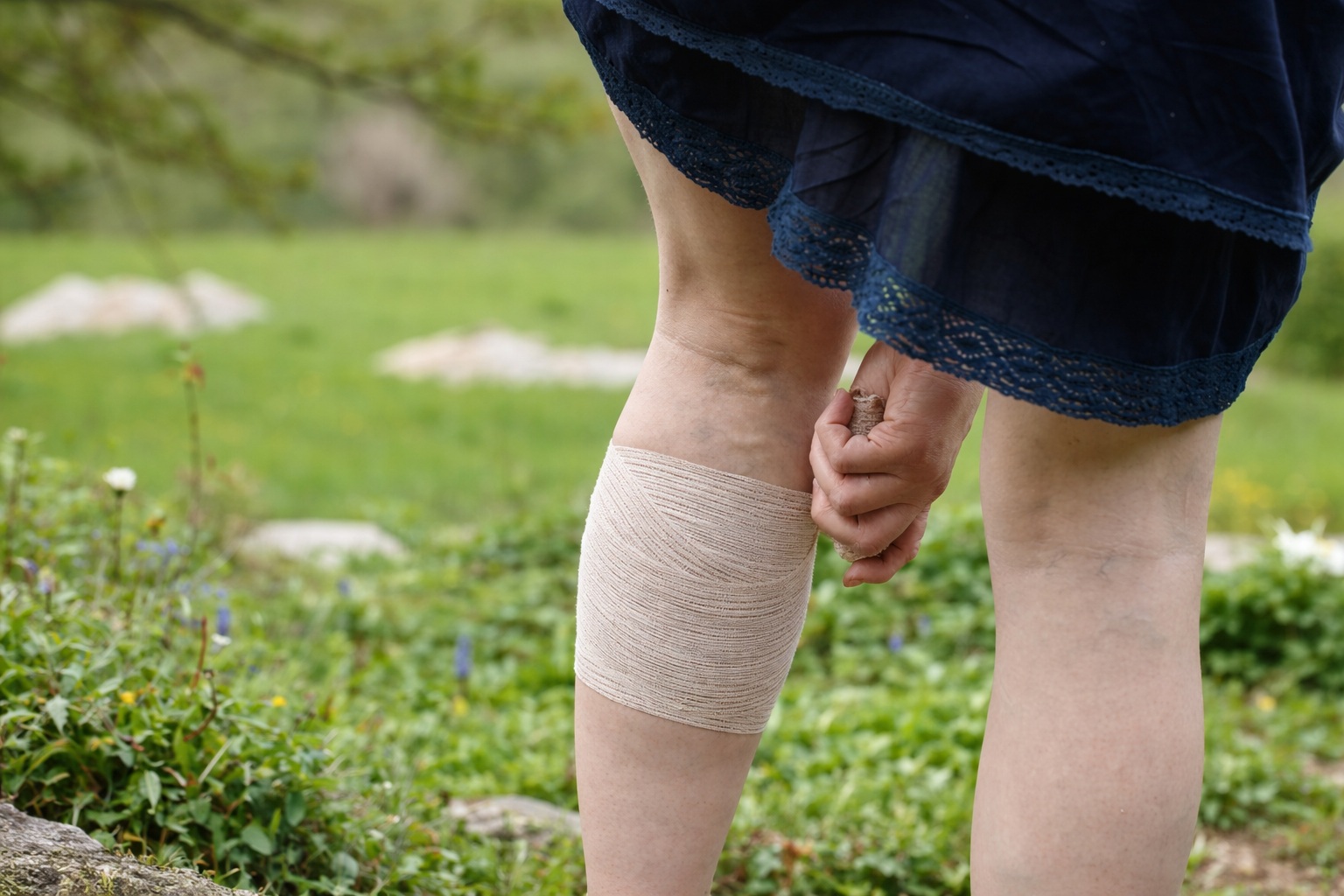
Wondering what happens after your varicose vein procedure? Recovery after varicose vein surgery is one of the most common concerns patients have when considering treatment.
The good news is that today’s varicose vein treatments are nothing like the invasive surgeries of the past. Modern treatments like laser ablation, sclerotherapy and microphlebectomy are performed right in your doctor’s office. Most patients walk out the same day and get back to their routines faster than they expect.
How Modern Treatments Have Changed Recovery
Traditional vein stripping required general anesthesia, hospital stays and weeks of downtime. That’s no longer the case.
Today’s minimally invasive procedures use advanced technology to treat problem veins with tiny incisions or injections. Laser ablation uses heat energy to seal damaged veins. Sclerotherapy involves injecting a solution that closes problematic veins. Microphlebectomy removes surface veins through small punctures.
All three treatments for bulging veins in legs allow your body’s healthy veins to take over circulation naturally, making recovery significantly easier.
The First 24 to 48 Hours After Treatment
The first couple of days set the foundation for smooth healing.
Your treated veins start closing right away. You’ll probably feel some tenderness, tightness, or mild aching where the procedure was done. This is completely normal.
What to Do in the First 48 Hours
- Start walking short distances within hours of your procedure (10 to 15 minute walks several times daily)
- Wear your compression stockings exactly as your doctor instructs
- Prop your legs up above heart level when resting
- Take over-the-counter pain medication if needed
What to Avoid Early On
- Hot baths, saunas and prolonged heat exposure
- Strenuous exercise or heavy lifting
- Standing or sitting still for extended periods
Walking is one of the best things you can do right after treatment. It keeps blood flowing properly and helps prevent complications. Getting up and moving around is exactly what recovery after varicose vein surgery needs in those first critical days.
Days 3 Through 7: Early Healing Phase
You should notice real improvement by the end of your first week. Bruising typically peaks around day three to five, then starts fading.
Continue wearing your compression stockings during waking hours and keep up with regular short walks. Light daily activities like household tasks and shopping are fine during this phase.
Weeks 2 Through 4: Getting Your Life Back
Most people feel significantly better during this stretch. Bruising fades, swelling goes down and you’ll start seeing cosmetic improvements.
You can typically stop wearing compression stockings after two to three weeks. If you’re wondering how compression stockings help with varicose veins, they support proper blood flow during the critical early healing period.
Resume normal exercise gradually, starting with low-impact activities like walking, swimming and cycling before working back up to your full routine.
One Month Out: Full Recovery
By four weeks after your procedure, recovery after varicose vein surgery is typically complete. The treated veins have closed and are being naturally absorbed. Your legs should feel more comfortable and look clearer.
Maintaining healthy habits after treatment helps protect your results. Simple lifestyle changes can prevent varicose veins from developing in other areas.
Getting Back to Work and Daily Activities
When you can return to work depends on what your job involves.
Desk jobs: Usually 2 to 3 days, with regular breaks to walk around
Standing or physical jobs: 5 to 7 days for proper healing, possibly longer for heavy lifting
Talk with your vascular specialist about your specific work situation. Many patients ask is varicose vein treatment covered by insurance and the answer is often yes when medically necessary, which may include time off for recovery.
Resuming Exercise, Driving and Travel
Light exercise like gentle walking is encouraged within the first few days. Moderate activities are typically fine after one to two weeks. Hold off on vigorous exercise for three to four weeks.
When can you drive? Give yourself at least 48 hours before getting behind the wheel. You’ll know you’re ready when you can press the brake pedal without discomfort and perform an emergency stop safely.
Planning to fly? It’s best to wait. Short flights under four hours should be avoided for two weeks. Longer flights over four hours need a four-week wait due to the increased risk of blood clots when sitting for extended periods.
Essential Aftercare Tips
How well you take care of yourself after treatment makes a real difference in your results.
Stick with your compression stockings as prescribed. Keep moving throughout the day with short walks instead of sitting or standing for too long. When you do rest, prop your legs up for 15 to 20 minutes a few times each day.
Drink plenty of water and stay away from hot tubs, saunas and very hot baths for at least two weeks.
What’s Normal and What’s Not
Some discomfort comes with healing. Knowing what to expect helps you tell the difference between normal recovery and something that needs medical attention.
Normal Recovery Symptoms
You’ll likely experience some of these as your body heals:
- Mild to moderate bruising along the treated vein
- Tenderness or tightness in the treated area
- Minor leg or ankle swelling
- Temporary skin discoloration
- Firmness along the vein that softens over time
These symptoms are a natural part of the healing process. They should improve steadily over the first few weeks rather than getting worse.
When to Seek Emergency Care
Some symptoms need immediate attention. Get emergency medical care right away if you experience difficulty breathing, sudden chest pain, coughing up blood, or severe calf pain that makes it impossible to put weight on your leg.
When to Contact Your Vascular Specialist
Reach out to your doctor if you notice severe worsening pain, significant swelling that keeps getting worse, signs of infection like fever or spreading redness, or a hot, swollen, tender calf.
Don’t hesitate to call if something doesn’t feel right. Your vascular team would rather answer your questions and give you peace of mind than have you worry at home.
How Treatment Affects Your Circulation
Treating varicose veins improves rather than harms your leg circulation. The deep veins that return blood to your heart stay intact. The treated vein was allowing blood to flow backward, so eliminating it redirects blood through healthy vessels that function correctly.
Following Up With Your Doctor
Attend all scheduled follow-up appointments so your doctor can monitor healing. Most patients need just one or two visits after minimally invasive procedures.
Your doctor may recommend a vascular ultrasound during follow-up. Understanding why you need a vascular ultrasound helps you appreciate how it confirms the treated veins have closed properly and blood flow has improved.
What Matters Most for Smooth Healing
Here’s the truth: recovery after varicose vein surgery doesn’t need to be stressful or complicated.
The basics are simple. Walk regularly from day one, even if it’s just around your house. Wear your compression stockings like your doctor told you to, even when they feel annoying. Take it easy at first, then gradually do more as your body tells you it’s ready.
Most people are back to their normal routine within a few days and feeling completely like themselves again in three to four weeks. Your timeline might be a bit different and that’s okay. It depends on which procedure you had, how many veins needed treatment and how your body heals.
Thinking about getting treatment but not sure what recovery would look like for you? Talk with our vascular specialist at Prime Vascular Care. They’ll give you a realistic picture based on your specific situation so you know exactly what to expect.