
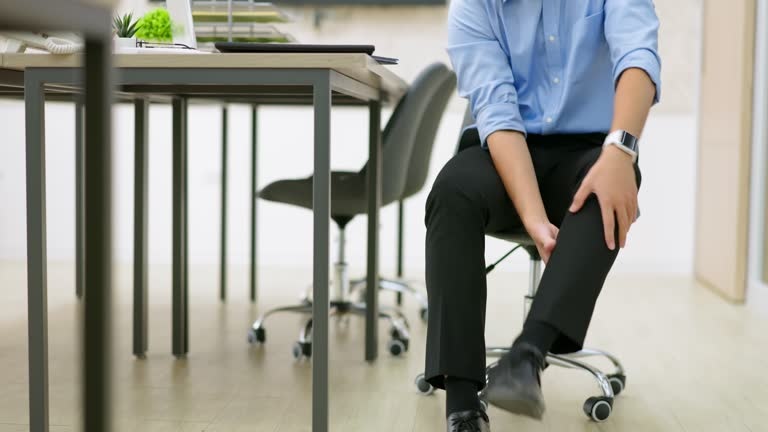
Most people don’t connect their daily routine to their vein health until something starts hurting. A desk job that involves eight hours of sitting or a shift that means standing on concrete for most of the day. These feel like normal working conditions and they are. But what they do to leg veins over months and years is worth understanding before symptoms arrive rather than after.
What Veins Are Actually Doing All Day
Unlike arteries, which have the force of the heartbeat pushing blood through them, veins rely on valves and muscle movement to keep blood moving upward against gravity. Every time the calf muscles contract, whether walking, climbing stairs, or shifting weight, those muscles squeeze the veins and push blood toward the heart. The valves inside then close to stop it from falling back down.
When someone sits or stands still for long periods, the muscle pump barely activates. Blood slows, pressure builds and over time the valves weaken. Blood begins to pool in the lower legs, which is what leads to varicose veins. The twisted, bulging, sometimes painful veins that develop when vein walls stretch and lose their shape.
Why Sitting Is Harder on Veins Than It Looks
Sitting feels passive and comfortable, which makes it easy to underestimate what it’s doing to circulation. When someone sits with hips and knees bent for hours, the veins in those areas get compressed. Blood flow slows not just because the muscle pump isn’t working, but because the physical position itself restricts circulation.
The first signs are easy to dismiss. Mild ankle swelling by end of day, a heaviness in the calves, small visible veins around the feet. These aren’t dramatic symptoms, which is part of why they get ignored, but they’re the circulatory system signalling that something is consistently going wrong.
Why Standing Has the Same Problem
Motionless standing is genuinely as hard on leg veins as prolonged sitting. When someone stands still for long periods, gravity pulls blood downward and the veins in the lower legs work against that constantly without calf muscle movement. Nurses, retail workers, hairdressers and teachers consistently report the same combination of heavy, tired, aching legs, which are classic early signs of venous strain.
The valves wear out faster under sustained pressure. Once a valve loses its ability to close properly, blood falls back toward the foot with every heartbeat rather than continuing toward the heart, the vein stretches and the problem compounds.
What Happens When Varicose Veins Go Untreated
Left without intervention, varicose veins don’t stay stable. They progress. Pain and heaviness become more regular. Swelling moves from the ankles upward. The skin around affected veins can develop redness and inflammation and over time, a brownish discolouration and thickened texture that indicates chronic venous damage in the tissue beneath.
In more advanced cases, venous ulcers develop. These are open sores around the ankle that are slow to heal because blood supply to the surrounding tissue is compromised. People who reach this stage typically require professional wound care treatment to manage the affected tissue alongside the underlying vein condition. Blood clotting in surface veins, known as superficial thrombophlebitis, is another possible complication and a signal that the venous system needs professional assessment rather than home management.
When pain, significant swelling, skin changes, or ulcers develop, a vein specialist can assess what’s happening using ultrasound and recommend appropriate varicose vein treatment options. Surgical approaches such as Sclerotherapy and laser therapy are available for cases where conservative management is no longer sufficient. None of these outcomes is inevitable, but they’re significantly more likely when early symptoms are ignored.
What Actually Helps
Movement is the most direct intervention. The calf muscle pump activates with walking, ankle circles, stair climbing, or simply standing up and shifting weight. Breaking up long periods of sitting or standing with two to three minutes of movement every hour makes a measurable difference to circulation across a working day.
Elevating the legs at the end of the day, lying down with legs propped above heart height for ten to fifteen minutes, helps blood drain back toward the heart and reduces the swelling that builds throughout the day. Compression stockings apply graduated pressure that supports vein walls and valve function and people who wear them consistently through long working days typically report significantly less heaviness and swelling by evening.
Keeping feet flat on the floor rather than crossing legs, staying well hydrated and managing body weight all reduce the cumulative pressure on lower leg veins. Even modest weight reduction has a noticeable effect on symptoms. For those who experience persistent leg pain despite these changes, peripheral arterial disease treatment can address underlying arterial issues that may be contributing to the discomfort.
Conclusion
Early assessment is consistently better than delayed assessment. Lifestyle changes can slow progression, but when symptoms persist or worsen, a vascular specialist can identify exactly what’s happening and recommend appropriate next steps. If you have concerns about vein health, Prime Vascular Care can be reached through the website.