

Introduction
A wound that won’t close after months of care feels frustrating. You follow instructions, change dressings, keep it clean. Still, it stays open. The skin around it looks angry. You worry about infection every day.
Chronic wounds need more than basic first aid. They require a different approach because something is blocking the normal healing process. Poor circulation, diabetes, constant pressure, or underlying vascular problems can all keep wounds stuck in place.
Understanding what actually helps and what wastes your time makes the difference between a wound that finally closes and one that lingers for years.
What Makes Wounds Stay Open
Your body knows how to heal cuts. Blood clots form. New tissue grows. Skin closes over. The whole process takes days, maybe two weeks for deeper injuries.
Chronic wounds don’t follow this timeline. After three months, they’re still open. The edges might look pale or thickened. Drainage continues. Sometimes the wound gets bigger instead of smaller.
This happens when something interferes with blood flow. Your tissue needs oxygen and nutrients delivered through blood vessels. When circulation problems prevent proper blood flow, healing stalls. Diabetes damages small blood vessels. Vein disease causes fluid buildup that suffocates tissue. Artery narrowing starves wounds of oxygen. Understanding these vascular causes helps explain why some wounds resist healing
Bacteria take advantage. Open skin provides easy entry. Your body fights on two fronts trying to heal while battling infection. Neither process works well under these conditions.
Keeping Infection Out
Prevention requires attention, not complicated medical knowledge.
- Start with clean hands every single time you touch the wound or change dressings. Soap and water work. Scrub for 20 seconds before any wound care.
- Use whatever cleaning solution your doctor recommended. Usually saline. Sometimes special wound cleansers.
- Pat dry gently with clean gauze. Rubbing tears fragile healing tissue. Let it air dry briefly if needed before covering.
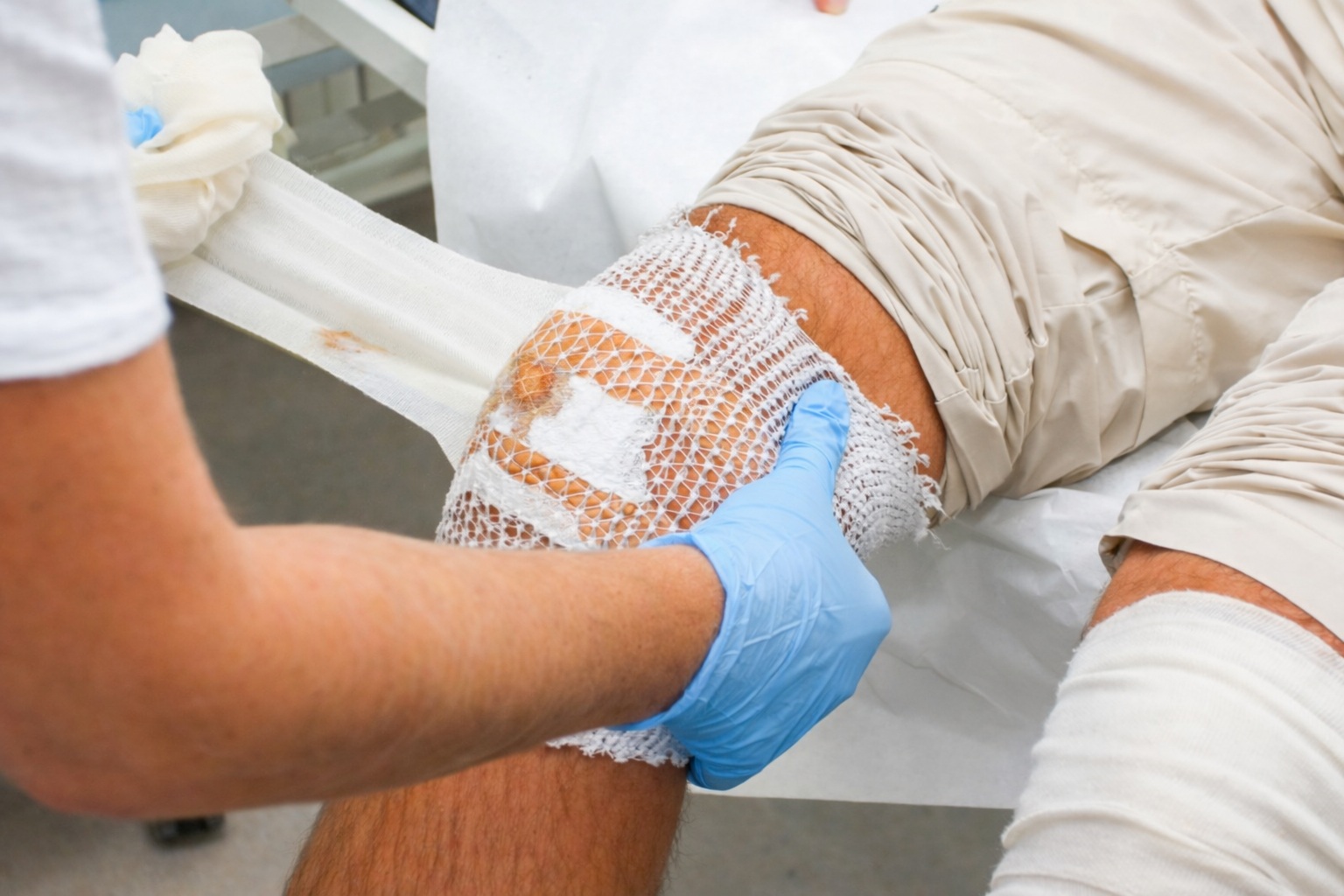
- Dressings create a barrier between your wound and the world. Keep it in place. Replace it when it gets wet, dirty, or according to your care schedule.
Watch the wound itself. You know what it normally looks like. When something changes, pay attention. Increased redness spreading outward. Warmth you can feel through the dressing. Drainage turning yellow or green. New pain or worsening pain. These signs mean infection is starting. Catching it in the first day or two makes wound care much easier.
What Actually Helps Healing
Your wound needs protein to build new tissue. Every meal should include some.
- Eggs, chicken, fish, beans, Greek yogurt. Your body pulls amino acids from protein to construct new skin cells.
- Vitamin C matters too. It helps make collagen, the structural protein that holds tissue together. Zinc supports immune function and cell division.
- Water doesn’t sound important until you understand that healing tissue needs to stay hydrated at the cellular level. Dehydrated cells can’t function properly. Drink throughout the day.
- Moving helps. Blood flow increases with activity. Walking gets circulation moving. Even chair exercises for legs and feet help if standing is difficult.
- Pressure on the wound itself needs to be avoided, but keeping your body generally active supports healing everywhere.
Dressing Choices Matter
The right dressing does more than cover. Modern wound dressings create specific environments. Some add moisture to dry wounds. Others absorb heavy drainage. Some contain silver or other antimicrobials to fight bacteria.
Your wound’s needs change as it heals. What worked last month might be wrong now. Follow current instructions from your healthcare provider. They adjust based on what they see during check-ups.
Change frequency depends on the dressing type and wound drainage. Some stay in place for a week. Others need daily changes. Too-frequent changes disrupt healing. Too-infrequent changes allow bacteria to multiply under the dressing.
Protect dressings from getting wet during bathing. Water introduces bacteria and breaks down the dressing’s protective properties. Use plastic barriers or remove dressings entirely during showers if instructed, then apply fresh ones immediately after.
When Things Get Worse
- Fever over 100.4°F signals your body is fighting something systemic. Don’t wait to see if it goes away.
- Red streaks extending from the wound mean infection is spreading through tissue. This requires antibiotics quickly.
- Suddenly increased pain especially if it wakes you at night, indicates something changed. Could be infection. Could be dying tissue. Either way, it needs evaluation.
- Large amounts of pus or drainage soaking through dressings faster than normal suggests bacterial overgrowth.
- A wound that’s been stable suddenly getting larger signals breakdown. The edges might turn black. Surrounding skin might break down. These changes need immediate attention.
Feeling generally unwell, tired, confused, nauseous combined with wound changes can indicate bloodstream infection. This is serious. Get help.
What Else Affects Healing
Smoking constricts blood vessels. Every cigarette reduces blood flow to your wound for hours afterward. Vascular problems already limit circulation. Smoking makes it worse. Quitting helps wounds close faster than almost any other change you can make.
Blood sugar control matters if you’re diabetic. High glucose levels impair immune function and damage blood vessels further. Keep levels in your target range. This isn’t optional for wound healing.
Blood pressure affects circulation too. If you have PAD or other vein problems, following right vascular treatment directly impacts wound healing. Compressed veins can’t drain fluid. Narrowed arteries can’t deliver oxygen. Compression therapy can help manage vein-related circulation issues. Addressing these underlying vascular issues often makes the difference between wounds that won’t heal and wounds that finally close.
The skin around your wound needs care too. Keep it clean and dry. Moisture from drainage can break down healthy skin, expanding the wound. Apply barrier cream to intact skin if drainage is heavy. Check daily for redness, swelling, or breakdown at the wound edges.
The Real Timeline
Expect slow progress. Wounds that took months to develop don’t heal in days. You might see slight reduction in size each week. Edges that look less inflamed. Drainage that decreases gradually. Less pain over time.
Some weeks show no visible change. This doesn’t mean healing stopped. Your body might be working on the wound bed depth before shrinking the surface area. Trust the process if regular check-ups confirm you’re on track.
Setbacks happen. A week of high blood sugar. A minor injury bumping the wound. Catching a cold that redirects your immune system. These temporarily pause healing. Getting back on track resumes progress.
Moving Forward
Chronic wounds require patience and persistence. Daily care feels tedious. Results seem slow. But every day of infection prevention and healing support matters.
Stay consistent with dressings, nutrition and activity. Watch for changes that signal problems. Keep your follow-up appointments even when the wound looks stable.
If you’re dealing with a wound that won’t heal despite your efforts, underlying circulation problems might be blocking recovery. Specialized vascular care can identify what’s preventing closure.
At Prime Vascular Care, we specialize in identifying and treating vascular issues that prevent wound healing. Contact us to discuss whether vascular evaluation could help your wound finally close.