

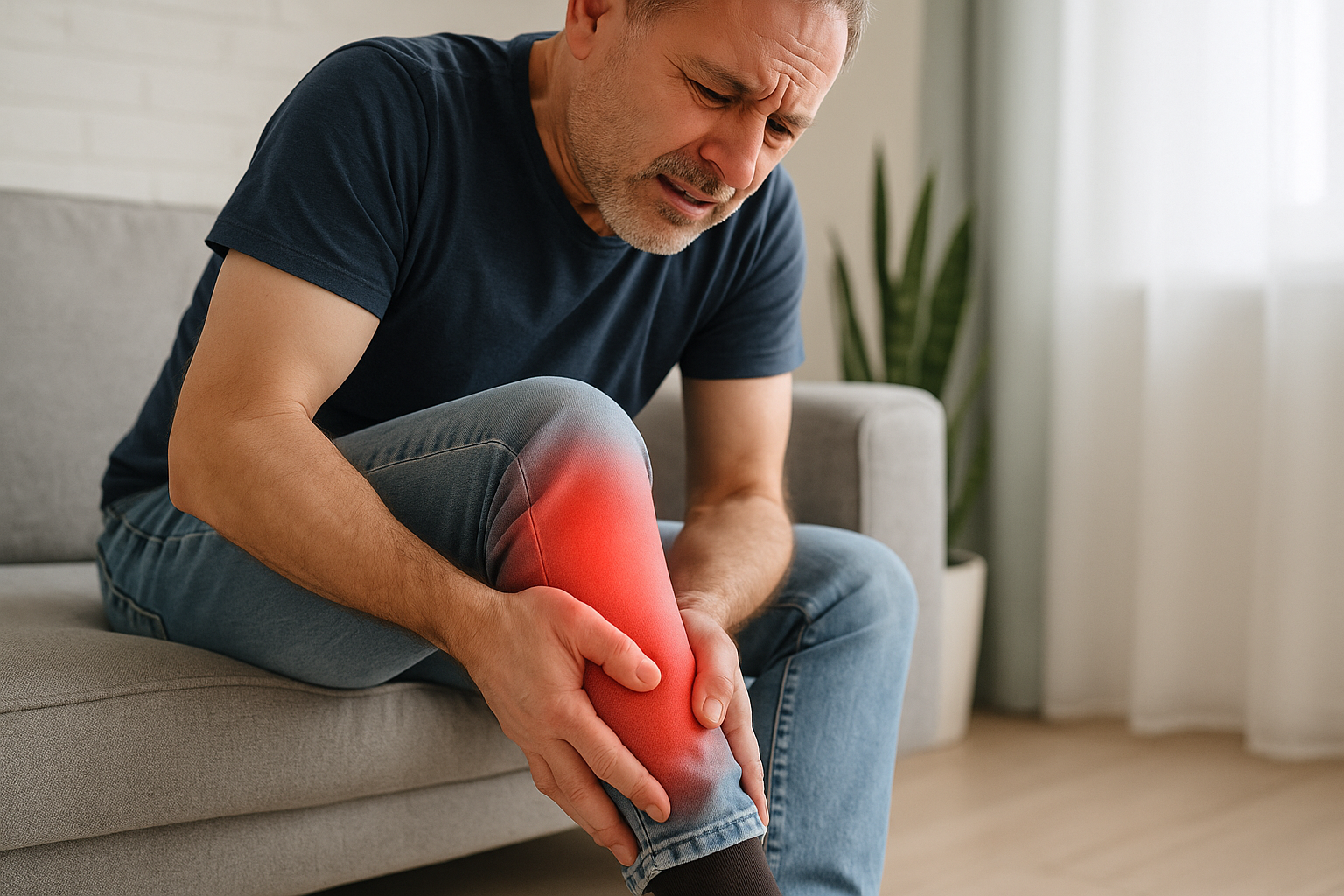
That cramping in your calves when you walk up stairs is another sign of getting older. However, sometimes leg pain tells a more significant story about what’s happening in your arteries.
Peripheral arterial disease affects more than 8 million Americans, yet many dismiss the early warning signs. The good news? PAD treatment has come a long way and catching it early makes a real difference.
Understanding PAD Symptoms
What Peripheral Arterial Disease Feels Like
PAD symptoms feel different from regular leg soreness. You’ll notice heaviness or discomfort in your calves, thighs or buttocks when walking or climbing stairs that goes away after resting.
This happens because narrowed arteries can’t deliver enough blood to your leg muscles during activity. About 50% of people with peripheral arterial disease don’t feel obvious symptoms early on.
Warning Signs You Shouldn’t Ignore
During Activity:
- Cramping that stops you from walking your usual distance
- Heaviness or fatigue that disappears when you rest
- Pain at the same distance every time you walk
At Rest:
- Coldness in one foot compared to the other
- Any cuts or slow healing wounds on your feet
- Shiny, smooth skin on your legs
- Leg pain that wakes you up at night
Pain during rest signals PAD has progressed and often gets worse at night.
PAD Risk Factors and Causes
Who Gets Peripheral Arterial Disease
One in 20 Americans over age 50 has PAD. Your risk increases significantly if you:
- Smoke or used to smoke (biggest risk factor)
- Have diabetes or high blood pressure
- Have high cholesterol
- Are over 50
If you’ve had heart problems or carotid artery disease, there’s a 20-30% chance PAD is affecting your legs too since these conditions share similar causes.
Choose the Best Peripheral Arterial Disease Treatment for Your Health
Explore your treatment options and get expert advice from our vascular surgeon.
Getting a PAD Diagnosis
How Vascular Specialists Detect PAD
The testing process is straightforward. A vascular specialist checks your symptoms and leg pulses.
The Ankle-Brachial Index (ABI) Test: This gold standard for PAD diagnosis compares blood pressure in your arms to your ankles. Takes 10-15 minutes and doesn’t hurt. Lower ankle pressure indicates blocked arteries.
An ultrasound may provide additional detail about blockage location and severity.
Leg Pain Treatment Options for PAD
Starting With Lifestyle and Medication
Lifestyle Changes That Work: Stop smoking, start a supervised walking program, eat heart-healthy foods and control blood sugar if you have diabetes.
Medications: Blood thinners prevent clots, cholesterol medications slow plaque buildup and some medications improve blood flow during activity.
When Minimally Invasive Procedures Help
For advanced PAD, procedures restore better blood flow. Angioplasty opens narrowed arteries with a balloon. Sometimes a stent keeps the artery open. Atherectomy removes plaque directly. Most patients go home the same day.
Why Early Treatment Matters
Peripheral arterial disease isn’t just a leg problem. It signals narrowed arteries elsewhere, including those supplying your heart and brain. People with PAD face 4-5 times higher risk of heart attack or stroke.
Treatment reduces your overall cardiovascular risk and prevents progression to critical limb ischemia.
When to Seek Immediate Care
Contact a vascular specialist immediately if you experience:
- Suddenly, severe leg pain
- Your leg feels cold and looks pale
- You can’t feel a pulse in your leg
- A wound showing signs of infection
Living Well After PAD Diagnosis
Many patients tell us they wish they’d come in sooner. After treatment, they get back to activities like walking without stopping every block, taking stairs and playing with grandkids without pain.
Get Expert PAD Care in Northern Virginia
Why Choose Prime Vascular Care
At Prime Vascular Care, our board-certified vascular surgeon Dr. Akinrinlola, specializes in limb salvage and peripheral interventions. We offer complete PAD diagnosis, advanced minimally invasive treatments, same-day outpatient procedures and personalized care plans.
Ready to feel better? Call us at 571-631-7488 or schedule your consultation today. Your legs shouldn’t dictate what you can and can’t do.