

Can Deep Vein Thrombosis Run in Families?
You notice leg swelling that appeared overnight. Your calf feels tight and warm. Then you remember your mother had a blood clot years ago, or your uncle needed blood thinners after surgery.
The question hits: does DVT run in families? Yes, family history can increase your risk. But having relatives with blood clots does not mean you will definitely get one. It means you need to pay closer attention during certain situations.
Understanding when family history matters helps you know what to watch for and when to take action.
How Family History Affects Your Risk
Deep vein thrombosis happens when a blood clot forms in a deep vein, usually in your leg. Family history is one risk factor among many, including age, weight, smoking, long periods of sitting and certain medical conditions.
Having family members with blood clots means your blood may clot more easily than average. But clots usually need a trigger to form. That trigger might be surgery, a long flight, pregnancy, birth control pills, or extended bed rest.
Which Family Clot Patterns Matter Most
Not all family histories carry the same weight. Who had the clot, their age and what was happening at the time all matter.
| Family Pattern | Why It Matters |
| Clot before age 50 | May point to inherited blood clotting tendency |
| Multiple clots in one person | Needs closer look |
| Clots in several close relatives | Stronger family pattern |
| Clot only after major surgery | Probably triggered by surgery, less genetic |
| Known clotting disorder in family | You should mention this to your doctor |
Your immediate family matters most. A parent, sibling, or child with DVT is more significant than a distant cousin. The circumstances also matter. A relative who got a clot after hip surgery at 75 is different from one who had unprovoked clots at 30.
When Your Risk Goes Up
Family history becomes more important when it overlaps with certain life situations. Many people with a family history of clots go years without problems, then develop a clot after a specific trigger.
Common situations that increase your risk:
Long flights or car trips: Sitting for more than 4-6 hours without moving slows blood flow in your legs.
Surgery: Any surgery increases clot risk. The combination of tissue injury, anesthesia and lying still creates conditions for clots to form.
Pregnancy and after delivery: Your body makes more blood during pregnancy and the growing uterus presses on veins. Risk stays high for six weeks after giving birth.
Birth control pills or hormone therapy: Estrogen-containing medications increase clot risk. If you have family history, discuss this with your doctor before starting these medications.
Cancer treatment: Both cancer itself and chemotherapy increase clotting tendency.
Being overweight: Extra weight puts more pressure on leg veins.
Long bed rest: Hospital stays or recovery periods where you cannot move much slow blood circulation.
If you have family history and face any of these situations, talk to your doctor beforehand. Simple prevention steps can significantly reduce your risk.
What DVT Looks Like
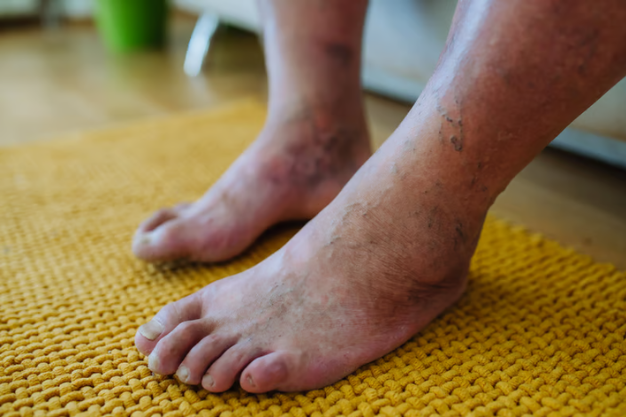
DVT usually affects one leg. The symptoms appear suddenly, often overnight.
Watch for:
- Swelling in your calf or entire leg
- Warmth when you touch the affected area
- Skin that looks red or bluish
- Deep aching or cramping pain
- Tenderness when you press on the area
- Leg feels heavy or tight
Choose the Best Deep Vein Thrombosis Treatment for Your Health
Explore your treatment options and get expert advice from our vascular surgeon.
How DVT is different from a pulled muscle:
A muscle strain develops gradually after you have done something physical and it gets better when you rest. DVT swelling shows up suddenly, often when you wake up and gets worse even when you elevate your leg. The pain feels deep inside your leg, not on the surface.
For more details on symptoms, see our guide on DVT symptoms.
Emergency Symptoms That Need 911
If a clot breaks loose and travels to your lungs, it becomes life-threatening. Call 911 immediately if you have:
- Sudden trouble breathing
- Chest pain that gets worse when you breathe deeply
- Fast heartbeat for no reason
- Coughing up blood
- Feeling like you might faint
- Severe dizziness
Do not drive yourself to the hospital. Call an ambulance. These symptoms need emergency treatment.
Simple Steps to Lower Your Risk
If you have a family history of clots, these steps help protect you during high-risk situations.
Before surgery: Tell your surgeon about your family clot history. They may give you blood thinners before and after the procedure and encourage you to walk as soon as possible after surgery.
During pregnancy: Mention family history at your first prenatal visit. Depending on the details, your doctor may recommend compression stockings or blood thinners during pregnancy and for six weeks after delivery.
For long flights or car trips: On trips longer than 4-6 hours, get up and walk every hour. Do calf exercises while sitting. Drink plenty of water. Compression socks can help.
About birth control: If you have family history of clots, avoid birth control pills that contain estrogen. Ask your doctor about progesterone-only options instead.
When to See a Doctor
You should see a vascular specialist if you have:
- New leg swelling, especially if it is only in one leg
- Pain or warmth in your calf that appeared suddenly
- Family history of multiple blood clots
- A clot in the past
The doctor will ask about your family health history, examine your legs and may do an ultrasound to check blood flow. Some people need blood tests to check for inherited clotting problems, but not everyone does.
If you have confirmed blood clots or symptoms pointing to one, deep vein thrombosis treatment includes blood thinners and monitoring to prevent complications.
What to Remember About Family History
Family history of blood clots is important information, but it does not mean clots are inevitable. Most people with family history never develop DVT if they take simple precautions during high-risk times.
Key points:
Keep track of which relatives had clots, how old they were and what was happening at the time. This helps your doctor understand your risk level. Always mention family history before surgery, when considering birth control and if you notice sudden leg swelling or pain.
Stay at a healthy weight, avoid smoking and stay active. These habits lower your baseline risk regardless of family history. If you develop leg symptoms or have questions about your risk, get checked rather than waiting to see if symptoms worsen.
For patients in Northern Virginia with family clot history or concerning symptoms, Prime Vascular Care provides assessment and guidance. Understanding your personal risk helps you make informed decisions without unnecessary worry.